


































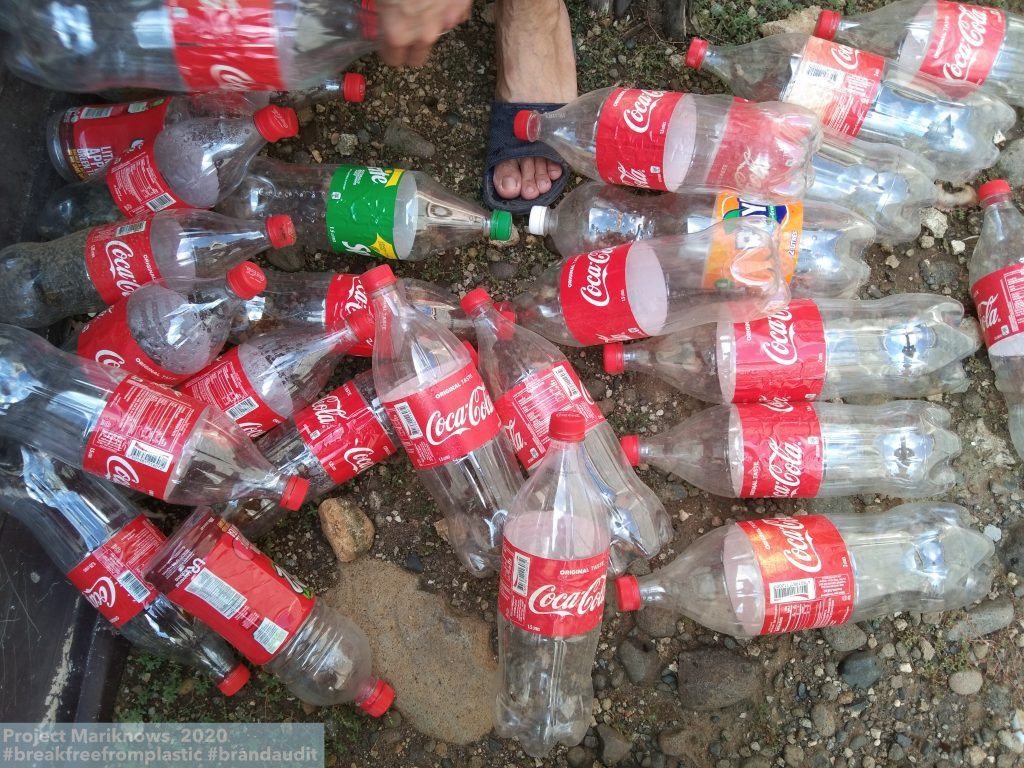
A comprehensive new study tracking plastic waste in Nigeria over the last six years has named major global beverage giants, including Coca-Cola and PepsiCo, as the primary drivers of the country’s plastic pollution crisis. The Nigerian Plastic Brand Audit Report, covering the period from 2018 to 2024, highlights a troubling trend where multinational corporations and producers of single-use plastics are saturating the environment with non-biodegradable waste.
The audit was part of a broader effort by the Break Free From Plastic movement and the Global Alliance for Incinerator Alternatives in Africa. Teams collected and analyzed nearly 300,000 pieces of plastic waste across eight major cities, including Lagos, Port Harcourt, Jos, and Uyo. The data reveals that the bulk of this waste consists of sachets, plastic bottles, and wrappers, which now dominate Nigeria’s streets and waterways.
The report specifically identifies Coca-Cola and PepsiCo as the most frequent brands found in these community clean-ups. Other significant contributors cited in the audit include Nestlé, CWAY Group, and Rite Foods, alongside a host of local water producers. Ibrahim Khalilulahi Usman, speaking for GAIA Africa, noted that the study paints a clear picture of how corporate production choices are directly impacting the Nigerian landscape.
The environmental cost is staggering. Nigeria generates roughly 2.5 million metric tonnes of plastic waste annually, but recycling infrastructure remains woefully inadequate to handle the volume. In a city like Lagos, this waste often ends up clogging drainage systems, leading to severe flooding that results in billions of dollars in damages every year.
Weyinmi Okotie, a manager with the GAIA/BFFP Africa Clean Air Programme, argued that the results challenge the common misconception that pollution is a result of individual poverty or lack of awareness. Instead, the evidence gathered by Reports suggests that the crisis is deeply rooted in corporate strategies that prioritize profit margins over environmental sustainability. The report serves as a call for these companies to move away from single-use plastics and take responsibility for the entire lifecycle of their packaging.