

























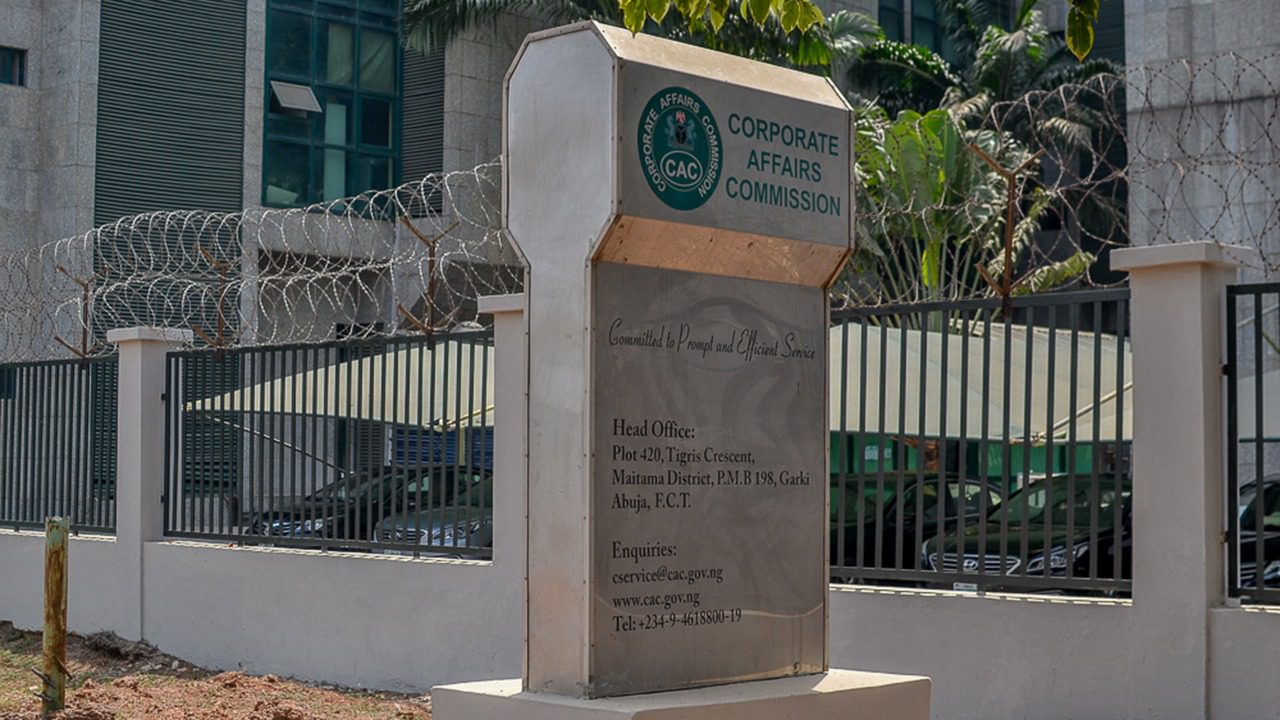
A high-stakes corporate governance battle involving two Ghanaian companies and Nigeria’s Corporate Affairs Commission (CAC) has dramatically escalated, moving from the Abuja High Court to the regional level. Jonah Capital Nigeria Ltd. and Houses for Africa Nigeria Ltd. have formally filed a suit against the CAC before the Economic Community of West African States (ECOWAS) Court of Justice, alleging unlawful alteration of their ownership records.
The core of the dispute centers on allegations that the Registrar-General of the CAC, Hussaini Ishaq Magaji, SAN, improperly interfered with the corporate data of the two firms. These companies are key players linked to the multi-billion-Naira River Park Estate controversy in Abuja, a land ownership dispute that has festered for years but recently exploded into a full-blown crisis.
Corporate Records Altered Despite Legal and Executive Directives
The companies claim that the Registrar-General’s actions were taken in defiance of a subsisting court case and an explicit directive from the Attorney-General of the Federation (AGF), Lateef Fagbemi, SAN, instructing all parties to maintain the status quo.
The matter has also drawn the attention of the National Assembly. Hon. Muktar Tolani Shagaya (Ilorin West, Kwara State) presented a formal petition on behalf of the Ghanaian firms to the House of Representatives. Presiding over the plenary, Deputy House Speaker, Hon. Benjamin Kalu, granted leave for the petition to be laid. The petition, signed by Kojo Ansah Mensah, details accusations of “the unlawful expropriation of shares, extra-judicial removal of directors, and retrospective invalidation of corporate filings” executed by the CAC boss to favor rival claimants in the River Park land dispute.
The controversy deepened after reports surfaced alleging that the CAC reassigned shares belonging to Jonah Capital Nigeria Ltd. and Houses for Africa Nigeria Ltd. to rival interests in the long-running land tussle. This came despite a public declaration by the Minister of the Federal Capital Territory (FCT), Nyesom Wike, on national television, affirming that Sir Samuel Jonah and Jonah Capital were the original allottees of the River Park Estate.
Investors Allege Corporate Sabotage
Kojo Ansah Mensah, the Chief Executive Officer of Jonah Capital Nigeria Ltd and one of the Ghanaian investors, issued a strongly worded statement claiming that the Registrar-General “unlawfully altered” the ownership structure of both companies on December 8, 2025. This action, Mensah insists, was carried out despite a pending court case and the AGF’s directive to place a caveat on the companies’ records while allegations of forgery against the investors were being reviewed.
Mensah alleged that following the controversial changes, the “newly coronated” directors, Olakitan Ogunmuyiwa and Adeniran Ogunmuyiwa, moved swiftly to notify banks, including Zenith Bank, to close the companies’ accounts and wrote to the FCT Minister announcing a purported takeover of the firms. He described these hurried actions as designed to disrupt the operations of the company, raising serious concerns about coordinated corporate sabotage.
In parallel, Houses for Africa Nigeria Ltd. issued a detailed rebuttal, distancing itself from Dr. Adeniran Ogunmuyiwa, who had claimed to speak on behalf of the company. The firm’s statement, dated October 11, 2025, described Ogunmuyiwa’s claims as “false, misleading, and malicious,” insisting he ceased to be a shareholder or director years ago. The company’s official directors, it stated, are Kojo Ansah Mensah, Sir Samuel Esson Jonah, Victor Quainoo, and Jonah Nathaniel, warning that any other individual claiming directorship is doing so fraudulently.
Diplomatic Dimension and Regional Scrutiny
The implications of this dispute have now spilled beyond Nigeria’s borders. During a recent ECOWAS Ministers’ Meeting held on December 12, Ghana’s Minister of Foreign Affairs publicly condemned what he described as the harassment of a Ghanaian investor in Nigeria. Diplomatic sources confirm that the matter has been formally referred to ECOWAS for investigation, elevating the corporate crisis into a major regional trade and diplomatic concern.
With ECOWAS now actively involved and the CAC facing intense scrutiny, pressure is mounting on Nigeria’s Minister of Trade, who has yet to publicly comment. Observers, warn that the Nigerian authorities’ handling of this unfolding crisis will determine whether it can be resolved through institutional correction or whether it will escalate into a broader diplomatic and economic confrontation between two of West Africa’s most important allies. The River Park dispute, involving rival directorship claims, conflicting lawsuits, and serious allegations of regulatory overreach, is fast becoming one of the most complex corporate governance battles in Nigeria’s recent history, with far-reaching consequences beyond the Abuja property market.