




































Syrian state media reported early Tuesday that artillery shells fired from Lebanon landed near the town of Serghaya, situated just west of Damascus. According to the Syrian military, the fire originated from Hezbollah positions, marking a significant escalation in the already volatile tensions spilling over the border.
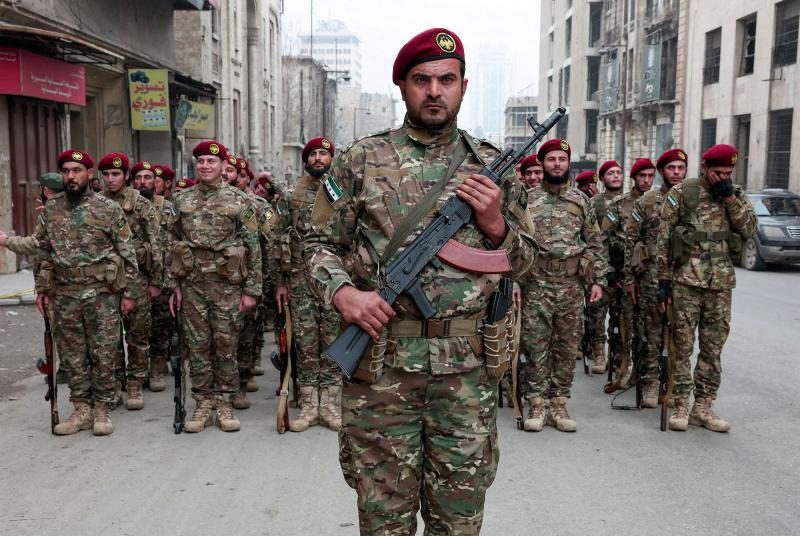
The Syrian army did not mince words in its response, explicitly accusing Hezbollah of directly targeting its positions. The military also confirmed that it has been monitoring the arrival of Hezbollah reinforcements near the frontier. In a statement released shortly after the incident, the army issued a firm warning, declaring that it would not tolerate any aggression directed at Syrian territory.
Reports notes that this development unfolds against the backdrop of a widening regional conflict. Lebanon found itself pulled deeper into the fray last week when Hezbollah launched attacks on Israel in retaliation for the death of Iran’s supreme leader, Ayatollah Ali Khamenei, during a series of US-Israeli strikes. Since then, the situation has intensified, with heavy clashes reported in eastern Lebanon and Israeli forces expanding their aerial campaign to include targets within the Lebanese capital, Beirut.
The political climate in the region remains increasingly fractured. Lebanese President Joseph Aoun has openly accused Hezbollah of actively working to undermine the state, while the group’s own parliamentary leadership continues to maintain that armed resistance is their only viable path forward.
This friction represents a dramatic shift in the long-standing relationship between these actors. Hezbollah was once a staunch military ally of former Syrian president Bashar al-Assad, providing him with critical support before his government was dismantled by an Islamist coalition in December 2024. Now that the coalition hostile to the pro-Iranian movement holds power in Damascus, Hezbollah’s traditional supply routes through Syria have been severed. Both Lebanese and Syrian authorities are currently struggling to manage the chaos along their porous border, where smuggling and military movement have become flashpoints for this new, unstable reality.