



























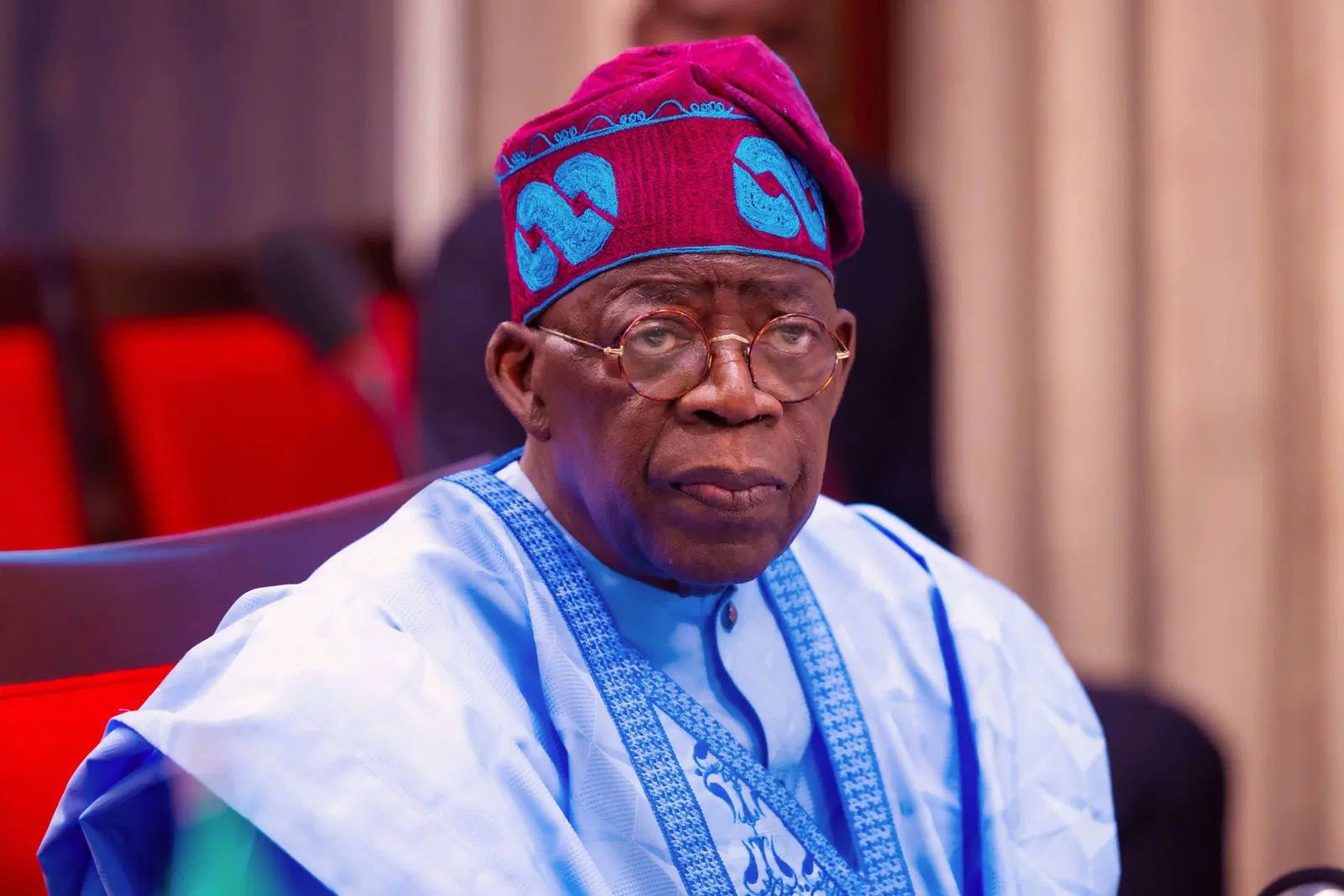
Nigeria’s absence on the global stage is becoming harder to ignore. More than two years into the Bola Tinubu administration, the country still has no appointed ambassadors—a vacuum that leaves Africa’s largest nation without proper diplomatic representation while the rest of the world deepens alliances and expands cooperation.
Both domestic and foreign affairs shape a nation’s strength, yet the current administration appears focused on only one side. This lapse became even more glaring after U.S. President Donald Trump issued a blunt assessment of Nigeria’s internal challenges without any strong diplomatic pushback.
Ambassadors serve as the official voices of their countries, promoting national interests, strengthening partnerships, and securing opportunities in trade, culture, technology, and security. While other nations leverage diplomacy to advance their agendas, Nigeria continues to sit out, missing vital openings.
The delay is especially troubling considering the country’s urgent need for international support in key sectors. Instead of moving quickly to rebuild foreign ties and attract investments, the government has allowed missions to operate on autopilot.
In September 2023, Tinubu recalled envoys from Nigeria’s 109 missions, promising a full overhaul. Since then, no replacements have been announced. For nearly two years, Nigerian embassies have been run by charge d’affaires—civil servants who do not hold the status or influence of confirmed ambassadors.
Foreign Affairs Minister Yusuf Tuggar earlier revealed that a full list of ambassadorial nominees had been submitted, blaming the delay on economic turbulence triggered by subsidy removal and the floating of the naira. Even so, many observers argue that the administration has simply failed to prioritize foreign policy.
Critics point to heavy government spending on other areas-billions for pilgrimages, luxury vehicles for lawmakers, and renovations-arguing that funding is not the real obstacle. The problem, they say, is a lack of urgency and strategic focus.
Many countries manage costs by appointing ambassadors to oversee multiple neighboring nations. Nigeria could have adopted similar measures rather than leave missions weakened for years.
This diplomatic slowdown is unfolding at a time when Nigerians are grappling with rising hardship. A recent SBM report highlighted ongoing struggles with food affordability, mirroring World Bank findings that more than 139 million citizens live in poverty, with many households spending most of their income on food.
Nigeria’s lack of an ambassador in Washington may have also deepened tensions as Trump issued repeated threats and designated the country a “Country of Particular Concern.” A seasoned envoy could have opened communication channels, eased diplomatic pressure, and protected national interests.
Presidential trips abroad cannot replace the work of permanent envoys, who follow up on agreements, build relationships, and maintain steady influence in host countries.
With no ambassadors in strategic nations such as the U.S., the U.K., China, and France, Nigeria has lost countless opportunities in education, science, investment, and security. The long-term cost may take years-if not decades-to repair.
Nigeria cannot afford to remain isolated.
Tinubu must name ambassadors without delay.