






























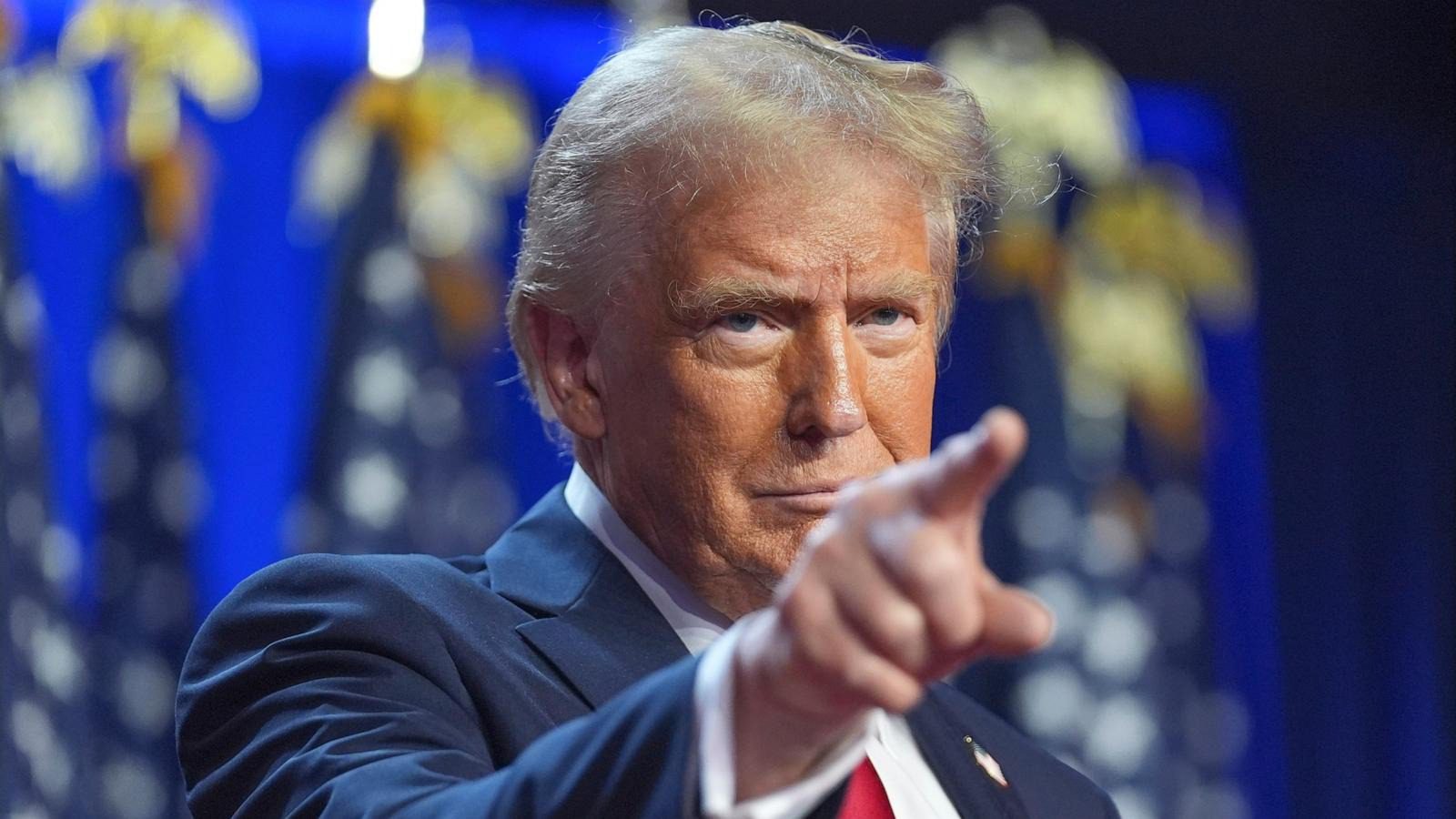
President Donald Trump has announced a fresh wave of tariffs, imposing an additional 100 percent levy on goods imported from China a move that has sent ripples across global trade circles.
The decision, which Trump said was aimed at protecting American industries from what he described as “unfair trade practices,” is seen as one of his strongest economic actions since returning to the political stage. According to him, China’s trade policies have long undermined U.S. manufacturing, costing millions of jobs and weakening the country’s economic independence.
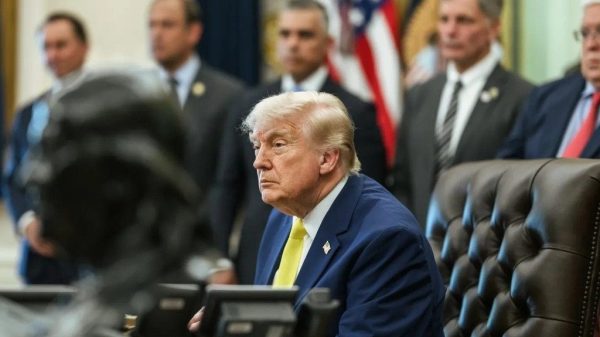
Trump, speaking during a policy briefing in Washington, insisted that the new tariff was necessary to “level the playing field” and discourage the importation of cheap Chinese products. He argued that such measures would drive more investment back into American factories and secure the nation’s production base.
While the move has drawn praise from sections of U.S. industry leaders who view it as a step toward economic nationalism, it has also sparked concern among trade analysts who fear it could reignite tensions between the world’s two largest economies.
Beijing has yet to issue an official response, though trade experts predict that China could retaliate with countermeasures targeting key American exports.
Economic observers are watching closely to see how this latest escalation will impact global supply chains, inflation, and diplomatic relations already strained by years of tariff disputes.