










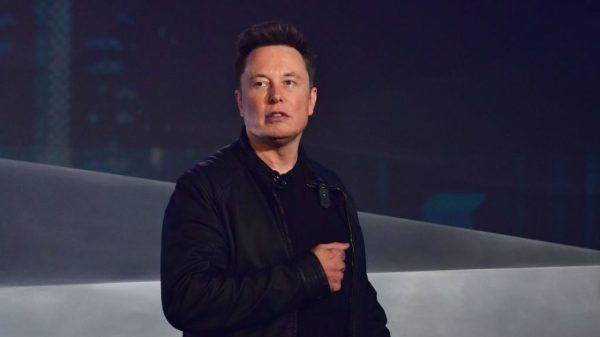













Former US President Donald Trump’s recent outburst on Nigeria has sparked widespread reactions both at home and abroad. His claim of concern for Nigerian Christians and his threat of possible military action against the country have raised questions about his motives and the credibility of his leadership.
Trump’s statement came after he ordered the US Defense Department to prepare for what he described as “fast military action” should Nigeria fail to protect its Christian population. The comment drew sharp criticism, with many seeing it as another display of Trump’s impulsive and self-serving politics rather than a genuine concern for human rights.
Responding to the controversy, the Nigerian Presidency, through its Special Adviser on Media Policy, Daniel Bwala, said the country welcomes international cooperation against terrorism, provided its sovereignty remains intact. Bwala expressed confidence that constructive dialogue between both nations could lead to better outcomes in their shared fight against insurgency.
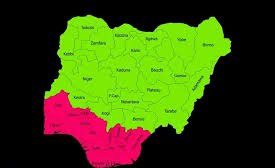
Trump’s comments have nonetheless ignited debate across Nigeria. Some citizens view the threat as an unnecessary provocation, while others believe it could pressure the government to act more decisively against the persistent wave of killings in different parts of the country. Islamist insurgents such as Boko Haram and ISWAP have unleashed terror for more than a decade, claiming thousands of lives and leaving millions displaced.
In the past year alone, there have been reports of attacks on both Christian and Muslim communities in Plateau, Kaduna, and Benue states, with entire villages destroyed and hundreds killed. While some religious groups describe the violence as genocide against Christians, analysts argue that the broader insecurity is rooted in political, economic, and environmental conflicts rather than religion alone.
Human rights activists, including Omoyele Sowore, have cautioned Nigerians against celebrating Trump’s rhetoric. He warned that US military interventions have historically worsened instability in nations like Iraq, Libya, and Afghanistan. According to him, what Nigeria needs is not foreign troops but genuine, accountable leadership capable of protecting lives and restoring justice.
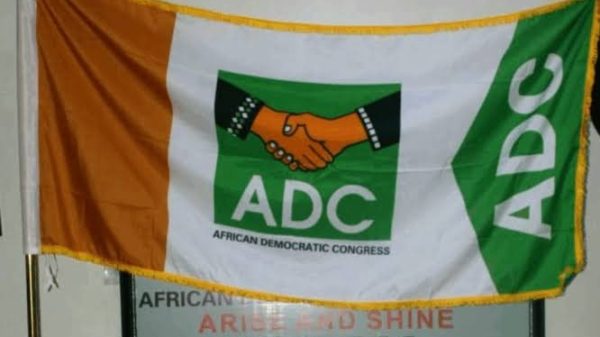
The Africa Democratic Congress (ADC) has also criticized the Tinubu administration, blaming poor governance for the worsening insecurity. The party cited reports suggesting that nearly 15,000 lives have been lost to violence since 2023, cutting across ethnic and religious lines. It argued that while insecurity predated the current government, the situation has deteriorated sharply under its watch.
Labour Party presidential candidate Peter Obi echoed similar concerns, lamenting the government’s lack of competence, transparency, and moral leadership. He said the failure to unite and protect Nigerians has made the country vulnerable to external criticism and ridicule.
Amid growing outrage, several analysts have reminded both the government and citizens that Nigeria remains a sovereign nation and must never allow itself to be drawn into unnecessary conflict. While acknowledging the seriousness of the security crisis, they insist that any international engagement must serve Nigeria’s interests, not the political ambitions of foreign leaders.
Many Nigerians now agree that the path forward lies in constructive diplomacy, strong domestic leadership, and genuine reforms that tackle insecurity at its roots. The government, they say, must confront this crisis decisively while guarding against what has been widely described as “Trump’s extreme madness.”