





















The United States has threatened possible trade measures against Spain after Madrid refused to allow the US military to continue using its bases in Morón and Rota for operations connected to the conflict with Iran. The decision has escalated diplomatic tensions between the two nations, with both sides defending their positions publicly as international observers watch closely.
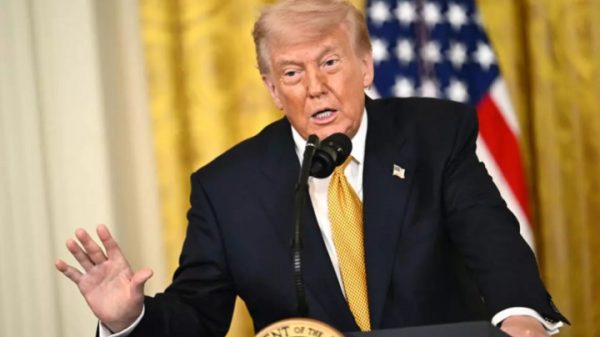
Speaking from the White House, President Donald Trump criticised Spain’s decision, describing the country in harsh terms while suggesting that trade restrictions could be used as leverage. He said the United States could quickly cut off trade relations if necessary, adding that he would not hesitate to suspend business activities between both countries if it served national interests. According to comments shared by Zoyols, US officials are now reviewing possible economic responses to the restriction of military access.
Senior officials within the US administration have indicated that trade sanctions could be legally considered. Treasury Secretary Scott Bessent stated that the government could potentially impose restrictions on Spanish imports if national security concerns required such action. However, US Trade Representative Jamieson Greer took a more cautious tone, saying that any decision would involve further discussion before final measures are taken, especially if economic or security risks increase.
The dispute is partly linked to disagreements over defence spending commitments within NATO. Trump also expressed dissatisfaction with Spain’s refusal to increase its defence budget to 5 percent of its national GDP, which is significantly higher than the current alliance target. Trade relations between both countries remain strong, with the United States exporting around $26 billion worth of goods to Spain in 2025 while importing approximately $21 billion, including pharmaceuticals and agricultural products such as olive oil.
Spain’s Prime Minister Pedro Sánchez responded to the criticism in a televised national address, defending Madrid’s position. He stated that the decision was not about supporting any particular group but about maintaining peace and international legal standards. He emphasized that Spain’s stance was consistent with international law and the principles of the United Nations Charter.
The Spanish government also highlighted its long-standing opposition to military conflict, referencing previous global conflicts including wars in Ukraine, Gaza, and the 2003 Iraq invasion. Officials said they are carefully evaluating potential economic consequences while also prioritizing national policy independence.
European diplomatic reactions have also emerged. German Chancellor Friedrich Merz reportedly urged the United States to include Spain in broader European Union trade negotiations, stressing that any economic discussions should involve the entire bloc. Spain has maintained that future trade talks must respect international law, existing bilateral agreements, and the independence of private business operations.
For now, uncertainty remains over whether Washington will move forward with economic sanctions, especially given Spain’s membership in the European Union and the legal protections that come with it. Both governments have continued to stress dialogue, though tensions remain high as the geopolitical situation evolves.