



















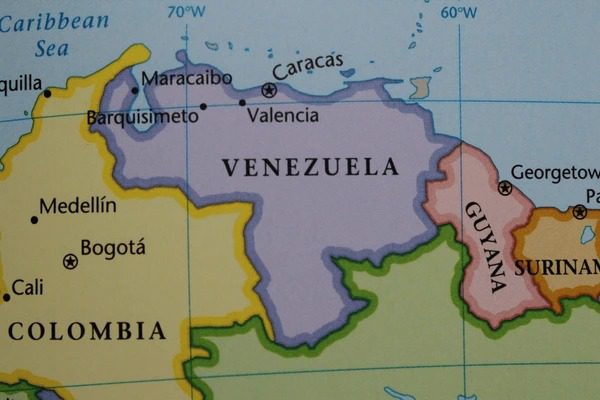
The streets of Caracas were flooded on Wednesday as thousands of Venezuelans gathered to demand the release of Nicolas Maduro following a dramatic U.S. military operation that led to his capture. The massive demonstration served as a dual display of defiance and grief, as the nation also began the somber task of burying those killed during the recent assault.
Government loyalists have maintained a constant presence in the streets since January 3, the day U.S. forces apprehended Maduro and his wife, Cilia Flores, during a targeted bombing raid. The couple was swiftly transported to New York to face trial on drug-related charges, a move that has sparked outrage among supporters who view the intervention as a violation of their national sovereignty. Protesters, undeterred by the heat and rain, marched through the heart of the capital chanting for the return of the man they still consider their rightful leader.
Among the crowd was Nancy Ramos, a community leader who expressed the deep sense of betrayal felt by many. Clad in military fatigues and a red beret, she told reporters that the people do not recognize the right of a foreign nation to try a Venezuelan president. She described Maduro as a man of the people and insisted that any legal matters should be handled within the country he governed. This sentiment was echoed by other marchers who carried figurines of the captured leader, some weeping as they spoke of the loss of life resulting from the raids.
While the protests continued, the Venezuelan military released harrowing footage of funerals held for soldiers who died during the American operation. Official figures indicate that 55 Venezuelan and Cuban soldiers, along with at least one civilian, lost their lives in the January 3 attack. The video showed rows of coffins draped in the national flag, surrounded by mourning relatives and military honors. Interim President Delcy Rodriguez has declared seven days of mourning, describing those who fell as martyrs for the republic.
The atmosphere in the country remains incredibly tense. While loyalists march with a mixture of pain and courage, the political opposition has largely stayed out of the public eye. This is partly due to an emergency decree that prohibits any public endorsement or praise of the U.S. military action. Meanwhile, Defense Minister Vladimir Padrino Lopez has publicly accused U.S. forces of acting with extreme aggression, claiming that Maduro’s security detail was killed in cold blood during the raid.
As the legal proceedings begin in New York, the people of Venezuela remain on edge, fearing further military escalations. Many, like retiree Tania Rodriguez, admit to feeling a sense of dread but insist on showing up to the marches to honor the dead and protest what they call imperialist aggression. For now, the nation is caught between the mourning of its soldiers and a loud, public demand for the return of its former leader.