














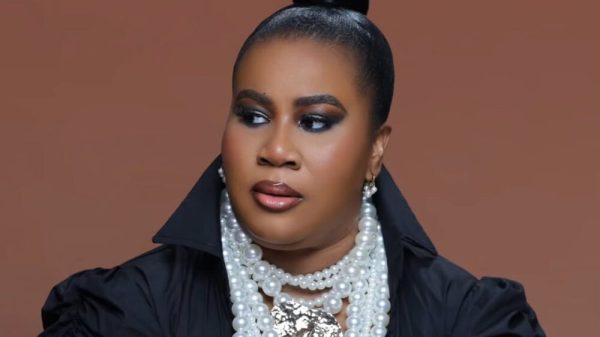























The complex and often painful conversation surrounding Female Genital Mutilation (FGM) has taken a surprising turn following recent comments by veteran Nollywood actress Victoria Inyama. In a candid discussion that has since sparked a firestorm of debate across social media, the actress opened up about her own childhood experience with the practice, offering a perspective that balances deep personal trauma with a controversial sense of gratitude.
During an interview session shared by media personality Daddy Freeze, Inyama recalled being around five or six years old when she was subjected to the procedure while staying with her grandmother in the village. Her account of the event was harrowing, as she described being held down and given local gin, known as kaikai, to dull the pain. The ordeal was so intense that she believes she lost consciousness during the process. While she acknowledged the act as inherently evil, she admitted that the memory of that day remains vividly etched in her mind.
What has caught many readers on Zoyols News by surprise is Inyama’s belief that the procedure provided her with a unique form of discipline as she grew into adulthood. She suggested that the physical and psychological alterations she underwent played a role in her ability to maintain strict self-control, particularly regarding her personal conduct and relationships. In her view, this “power” has kept her reputation intact, shielding her from the lifestyle scandals often associated with the entertainment industry.
The actress found herself navigating a difficult middle ground during the conversation. On one hand, she did not shy away from the reality of the trauma, yet on the other, she described it as one of the best things that ever happened to her. This paradoxical stance highlights the deep-seated cultural complexities that continue to surround the practice in certain regions, even as global health organizations and human rights advocates work tirelessly to end it.
When the conversation shifted to her own children, Inyama’s tone reflected the modern reality of her life in the United Kingdom. She noted that her daughters are British and that performing such a procedure there is a serious criminal offense, which she respects. However, she also sparked further debate by suggesting that if she were still living in Nigeria and her husband insisted on it, she might have felt compelled to comply despite her own history of pain.
The revelation has left many fans and observers torn. While some empathize with the trauma she endured as a young girl, others are concerned that framing the experience as a “benefit” could inadvertently validate a practice that has been widely condemned for its long-term health risks and violation of human rights. Inyama’s story serves as a stark reminder of how deeply personal history and cultural tradition can intersect, often leaving lasting marks on both the body and the mind.