

























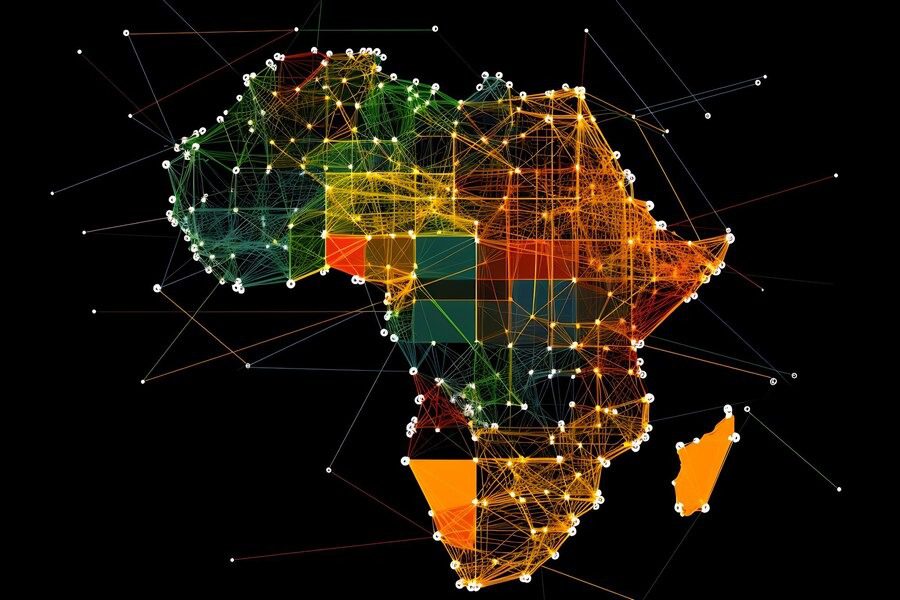
Africa is standing at a critical juncture regarding its technological future. A fresh analysis from industry experts suggests that unless the continent prioritizes heavy investment in its own digital foundation, it risks falling into a state of modern digital colonialism. The concern is that Africa may be reduced to a mere supplier of raw data, which is then processed by foreign entities to build advanced artificial intelligence, only for African nations to pay high fees to import those same finished technologies.
While artificial intelligence is projected to inject over fifteen trillion dollars into the global economy by the end of the decade, Africa is currently struggling to secure its share of that growth. Recent data gathered shows that the digital economy across the continent accounts for a modest portion of its total output, and without significant structural changes, this dependency on outside systems will only deepen. Instead of being mere consumers, the report emphasizes that Africa must transition into a producer of technology by building and governing its own data and platforms.
The current infrastructure gap is stark. Despite being home to nearly a fifth of the world’s people, the continent possesses only a tiny fraction of global data center capacity. This shortage severely hinders the ability to host or develop AI systems locally. Furthermore, current language models are largely blind to African needs, as they fail to adequately support the vast majority of local languages, rendering much of existing AI innovation irrelevant to the daily lives of citizens.
Three primary obstacles are currently slowing this progress. First, the fragmentation of the continent means individual economies often lack the scale to attract massive investment for cloud computing. Second, there is a significant brain drain as a large portion of local AI talent works remotely for foreign firms rather than building local ecosystems. Finally, a heavy reliance on expensive imported software forces African organizations to pay a premium for tools that offer little flexibility for local innovation.
To turn the tide, experts suggest a collaborative path forward. By leveraging public-private partnerships, countries can improve infrastructure while keeping strategic oversight. Pooling resources across borders, particularly through continental trade protocols, could allow nations to share the cost of massive digital projects that would be unfeasible alone. Additionally, shifting toward open-source technology can help reduce dependency on foreign licensing and encourage home-grown development.
Agriculture remains a prime candidate for this digital transformation. Localized AI models are essential here, as technology trained on foreign climate and soil data is often useless to the African farmer. By building digital public infrastructure—such as better payment systems and satellite data integration—governments can create tools that offer real-world security, like automatic insurance payouts for climate-related crop failures. The race is on, and for Africa, the goal is no longer just to adopt the latest tools, but to own the foundation upon which its future economy will be built.