





















African music once again took center stage at the 2025 MTV Video Music Awards, with some of the continent’s brightest stars earning multiple nominations in one of the industry’s biggest nights. The ceremony, hosted by LL Cool J at UBS Arena in New York and aired live on CBS and MTV, highlighted just how firmly Afrobeats and African pop have stamped their mark on global music.
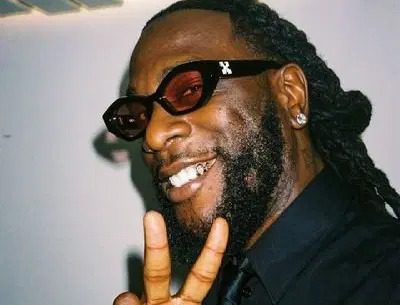
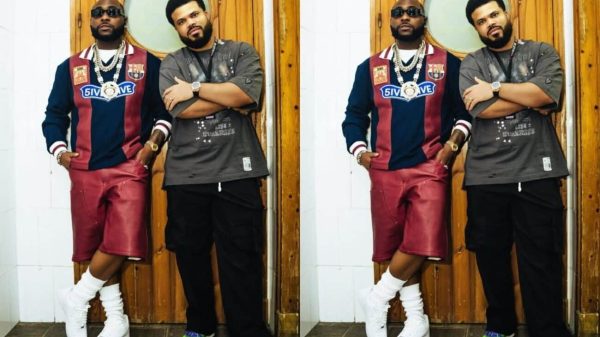
Nigeria led the pack with a strong showing. Asake, Burna Boy, Wizkid, Tems, Rema, and Ayra Starr all featured prominently across major categories. Asake picked up two nods in Best Afrobeats—one for his Travis Scott-assisted “Active” and another for “Get It Right” featuring Tems. Burna Boy followed closely with nominations for “TaTaTa” alongside Travis Scott, and “Higher,” which landed in the socially-driven Video for Good category.
South Africa’s Tyla, fresh off her breakout year, kept the momentum going with double nominations for “Push 2 Start,” competing in both Best Afrobeats and Best Choreography. Ghana’s Moliy also secured recognition for her remix of “Shake It To The Max (FLY),” further broadening the continent’s footprint at this year’s awards.
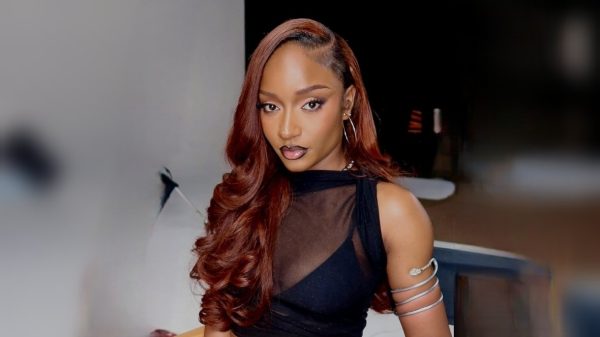
Other highlights included Wizkid’s “Piece Of My Heart” with Brent Faiyaz, Rema’s “Baby (Is It a Crime),” and Tems’ collaboration on Asake’s “Get It Right.” Ayra Starr added to Nigeria’s dominance with a nod for MTV PUSH Performance of the Year, thanks to her moving rendition of “Last Heartbreak Song.”
Speaking on the red carpet, Ayra Starr opened up about her creative process while discussing her freshly released “Hot Body” video. “It was stressful, but I just went to have fun. I feel like I’ve been playing it safe, I’ve been playing it cool for a while, so I just went to do something crazy, and I did it,” she told Zoyols Blog, underlining her bold step into a new artistic chapter.
The nominations underscore how far Afrobeats has come—from underground clubs and regional stages to dominating mainstream award shows. For many across Africa, the night felt like more than just recognition; it was validation that African music is no longer emerging—it’s already a driving force shaping the sound of today’s global charts.