














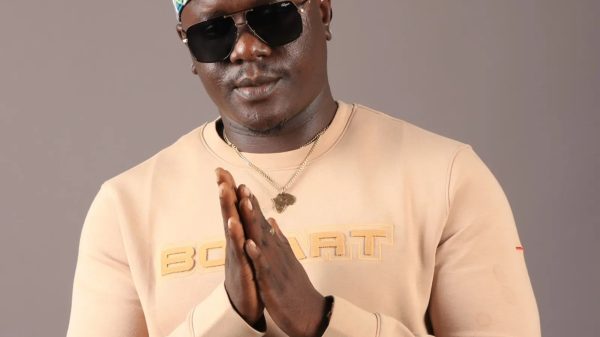


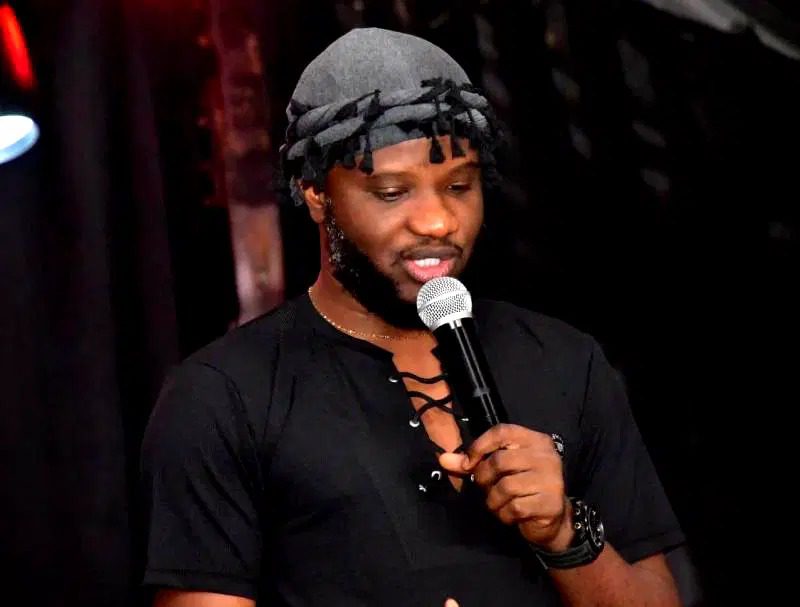
Nigerian comedian DeeOne has stirred the pot in the ongoing conversation regarding civil society, claiming that a staggering 90 percent of protests in the country are not the organic movements they appear to be. According to the entertainer, these demonstrations are largely bankrolled by politicians who use public agitation as a tool to advance their personal or partisan agendas rather than addressing the genuine needs of the people.
During a recent appearance on the podcast program, The Nigerian Meter, which was closely monitored by Reports, DeeOne expressed deep skepticism about the current state of activism in Nigeria. He argued that the heavy influence of political funding has stripped many movements of their authenticity. In his view, the sheer scale of sponsorship makes it difficult for the public to trust that any given protest is actually rooted in a sincere quest for change.
The comedian didn’t stop at the movements themselves; he also took aim at the individuals leading them. He alleged that a significant number of self-proclaimed activists are quietly aligned with specific political figures or parties. This affiliation, he suggested, creates a “selective” form of activism where these leaders only find their voices when an issue benefits their benefactors, while staying conspicuously silent on other pressing national matters.
For DeeOne, the moment a protest or an individual activist accepts financial or logistical support from a political interest, the integrity of their cause is effectively compromised. He maintained that this trend has weakened the overall impact of public demonstrations, making it harder for legitimate grievances to be taken seriously.
These assertions have sparked fresh debates across social media and within civil society circles. While some agree that the line between genuine activism and political maneuvering has become blurred, others worry that such generalizations might discourage citizens from standing up for their rights. Regardless of where one stands, DeeOne’s blunt assessment highlights a growing concern over the independence of the voices meant to hold the government accountable. As he put it during the sit-down with Reports, the day Nigeria sees a truly organic, unsponsored protest, the difference will be undeniable to everyone.