


























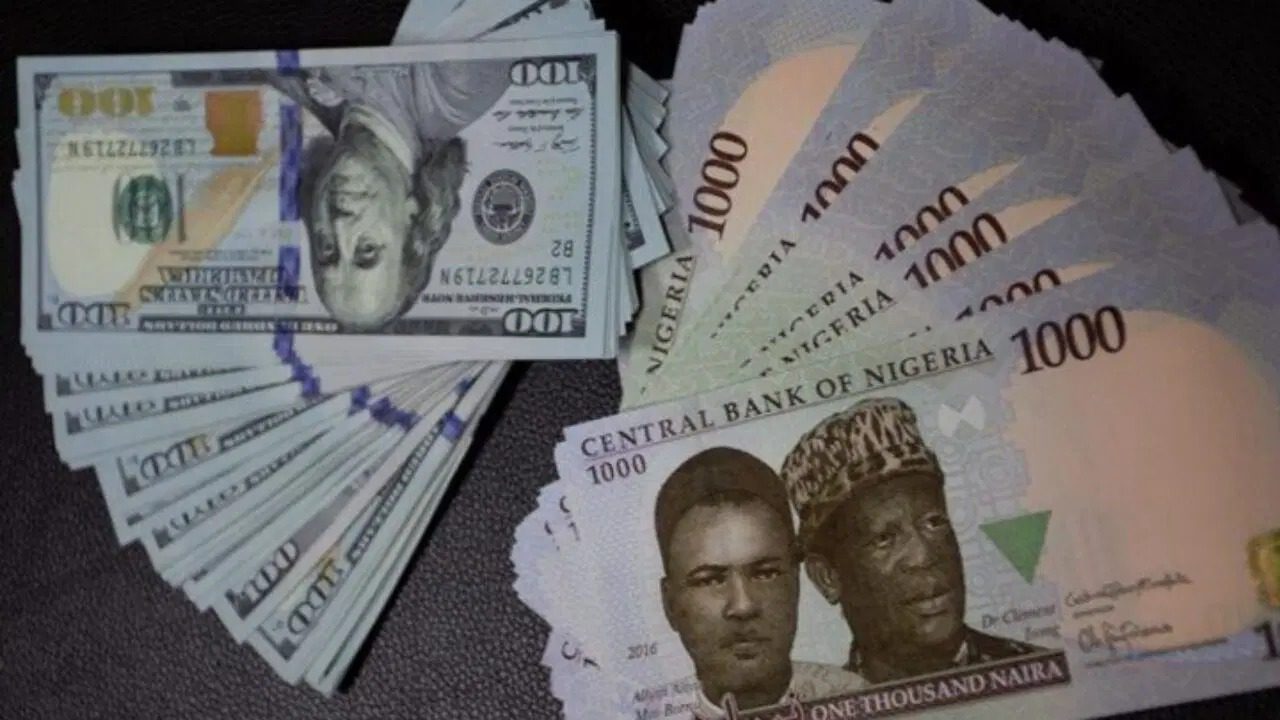
The Nigerian Naira is holding its ground with a sense of measured stability as we hit the middle of the week. On Wednesday, March 4, 2026, the local currency showed some slight movement in the Nigerian Foreign Exchange Market (NFEM), navigating the day’s trading with the kind of resilience that has characterized the market over the last month. While there is still plenty of activity, the chaotic swings of the past seem to have been replaced by a more predictable price discovery process.
Early reports from the official window show the Naira opening at 1,379.05 against the US Dollar. As the morning progressed, the rate saw some minor fluctuations, dipping to about 1,376.02 before settling around the 1,377.04 mark by 7:30 AM. The Central Bank of Nigeria (CBN) has kept the closing rate near 1,384.29. This represents a very subtle shift from the February average of 1,364.74, suggesting that the “willing-buyer-willing-seller” model is doing its job in balancing high demand from manufacturers and corporate importers.
What is perhaps most interesting right now is how closely the parallel market is mirroring the official rates. In the streets of Lagos and Kano, the dollar is being exchanged at between 1,385 and 1,395. This tight gap just about 1.5%—indicates that the days of massive premiums and speculative hoarding are fading. The “black market” has largely pivoted toward serving individuals for personal travel and small business needs, thanks to the steady supply of forex to Bureau De Change operators.
Several economic pillars are supporting this current stability. The CBN has kept interest rates at 26.50%, and with inflation cooling down to 15.10%, investors are finding the Naira more attractive. Furthermore, Nigeria’s external reserves remain strong, and oil production is holding steady at 1.46 million barrels per day. These factors combined are providing the necessary cushion to meet the country’s import needs without devaluing the currency.
Looking ahead for the rest of the week, analysts expect the Naira to continue trading within the 1,375 to 1,385 range in the official window. All eyes are now on potential fiscal reforms in the energy sector, which many believe could be the final piece of the puzzle for long-term currency strength. For now, the market remains liquid, transparent, and remarkably calm.