





































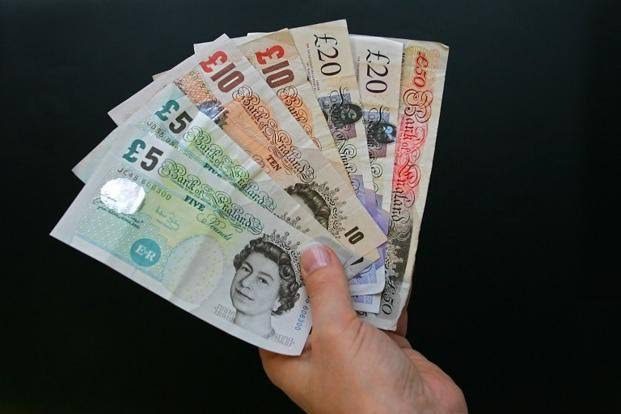
As we enter the first Monday of February 2026, the British Pound has shown a slight uptick against the Nigerian Naira, marking a subtle shift after a period of relative calm. The new month’s trading sessions have brought fresh pressure on the local currency, particularly within the official window, even as the informal market maintains its established range.
In the Nigerian Foreign Exchange Market (NFEM), the day began with the Pound opening at 1,908.75 per Naira. The morning saw a bit of volatility, with the rate climbing as high as 1,916.86 before easing back down. By mid-morning on February 2, the exchange rate had leveled off at approximately 1,909.72 per Naira. This is a small jump from the previous session’s close of 1,906, yet it still sits well below the 1,932 average recorded just last week.
Financial analysts believe this movement is a standard early-month adjustment. As businesses and individuals resume international payments for the new quarter, a temporary spike in demand is expected. However, the broader trend suggests that the Naira is holding its ground fairly well against the UK currency, aided by a steadying economic environment.
Meanwhile, in the parallel market the informal sector often used for personal travel and school fees the Pound continues to trade at a premium. In key hubs like Abuja and Lagos, currency dealers are quoting rates between 1,980 and 2,010. While some locations have seen the rate dip slightly below the 2,000 mark, it remains the go-to channel for immediate retail needs. Traders have noted that while demand is healthy, the supply of the Pound is consistent enough to prevent any drastic price surges for now.
The official opening rate stood at 1,908.75, moving slightly to 1,909.72 by mid-day, while the parallel market holds steady within that 1,980 to 2,010 window.
The trajectory of the Pound-Naira exchange rate for the rest of the week will likely hinge on the volume of foreign inflows into the official market. With local inflation rates beginning to show signs of cooling and the Central Bank of Nigeria maintaining a firm grip on market liquidity, many expect the Naira to remain resilient despite these minor fluctuations in demand.