



























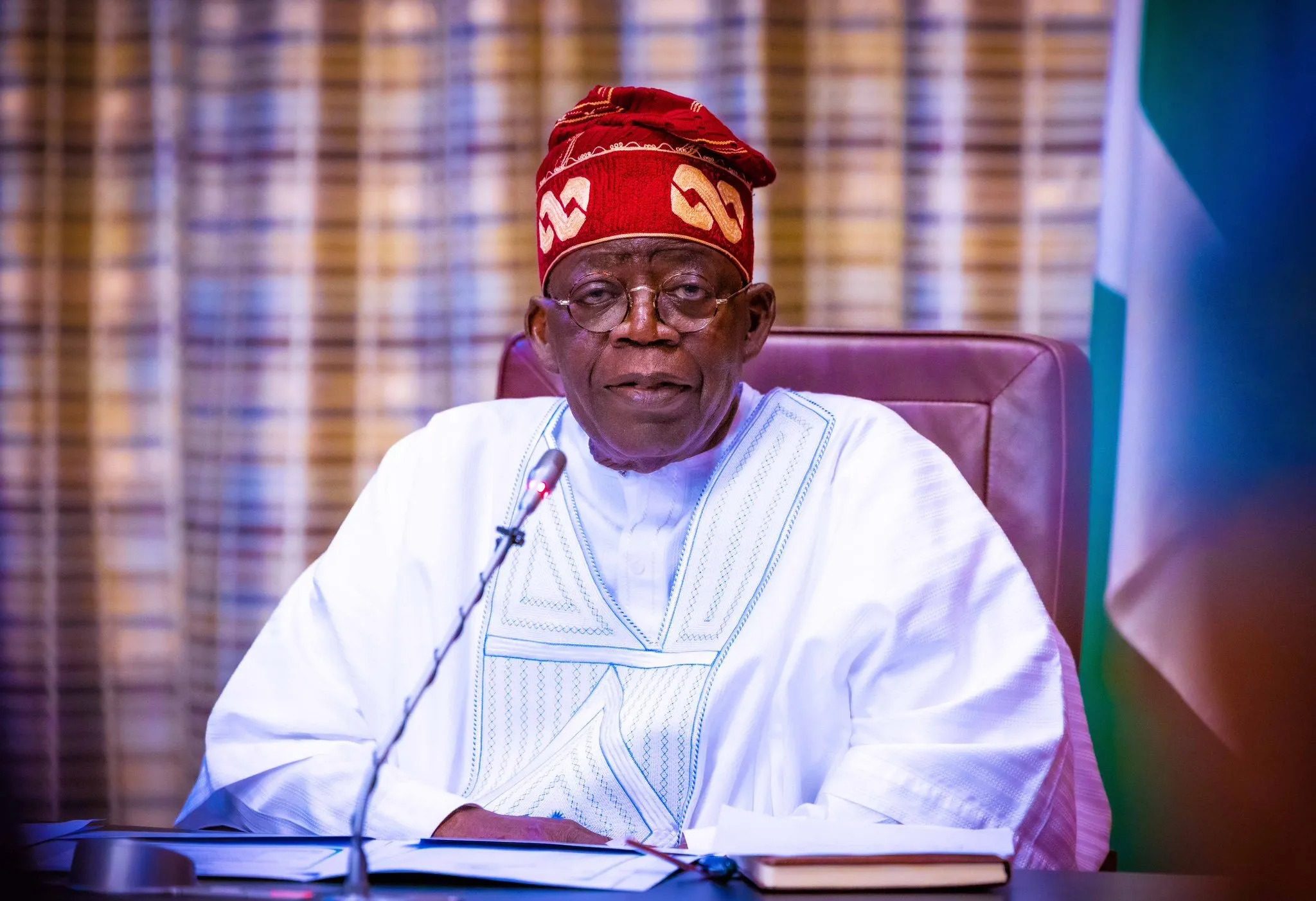
President Bola Ahmed Tinubu met with Siemens Energy on Monday in Abuja to reaffirm the government’s dedication to strengthening electricity supply across Nigeria. The meeting, held at the State House, was led by Dietmar Siersdorfer, Managing Director for Middle East and Africa at Siemens, and included Vice President Kashim Shettima, Minister of Power Adebayo Adelabu, Coordinating Minister of the Economy Wale Edun, and Special Adviser on Energy Olu Verheijen.
During the discussion, President Tinubu emphasized that reliable power is critical for economic growth, particularly in industries, healthcare, and education. He highlighted that the phased completion of the Presidential Power Initiative (PPI) would position Nigeria as a continental leader by unlocking the country’s human and material potential.
“There is no industrial growth or economic development without power. I believe power is the most significant discovery of humanity in the last 1,000 years,” Tinubu stated, directing that some major transformer substations be expanded from two to three phases to further strengthen the national grid. He also assured Siemens Energy that the government would continue providing all necessary resources for the project.
Minister of Power Adebayo Adelabu outlined the sector’s achievements under the administration, noting key milestones such as the decentralization and liberalization of the power sector, the signing of the Electricity Act 2023, and the development of the National Integrated Electricity Policy after 24 years. These efforts have attracted over $2 billion in new investments and activated 15 state electricity markets.
Adelabu added that since the Accelerated Agreement signed at COP28 in Dubai in December 2023, the PPI has recorded major accomplishments. Siemens Energy has delivered and commissioned 10 units of 132/33kV mobile substations, three units of 75/100MVA transformers, and seven units of 60/66MVA transformers across key load centres, adding 984MV of transmission capacity to the national grid.
Coordinating Minister of the Economy Wale Edun highlighted the broader impact of the PPI, noting that the completion of the initiative will improve the ease of doing business, generate employment opportunities for the youth, and help reduce poverty nationwide.
Dietmar Siersdorfer confirmed that two of the five substations under construction are expected to be completed by December 2026. Johannes Lehne, representing the German Ambassador, pledged continued collaboration and support from the German government to ensure the success of Nigeria’s power projects.
President Tinubu’s engagement with Siemens Energy underscores a clear vision: that reliable electricity is central to national development, economic growth, and improving the quality of life for Nigerians across the country.