

























Britain is set to bring together about 35 countries in a virtual meeting aimed at finding a way to reopen the Strait of Hormuz, a critical global shipping route now heavily disrupted by the ongoing conflict in the Middle East.
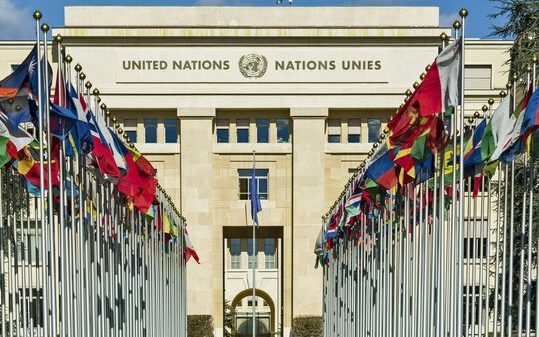
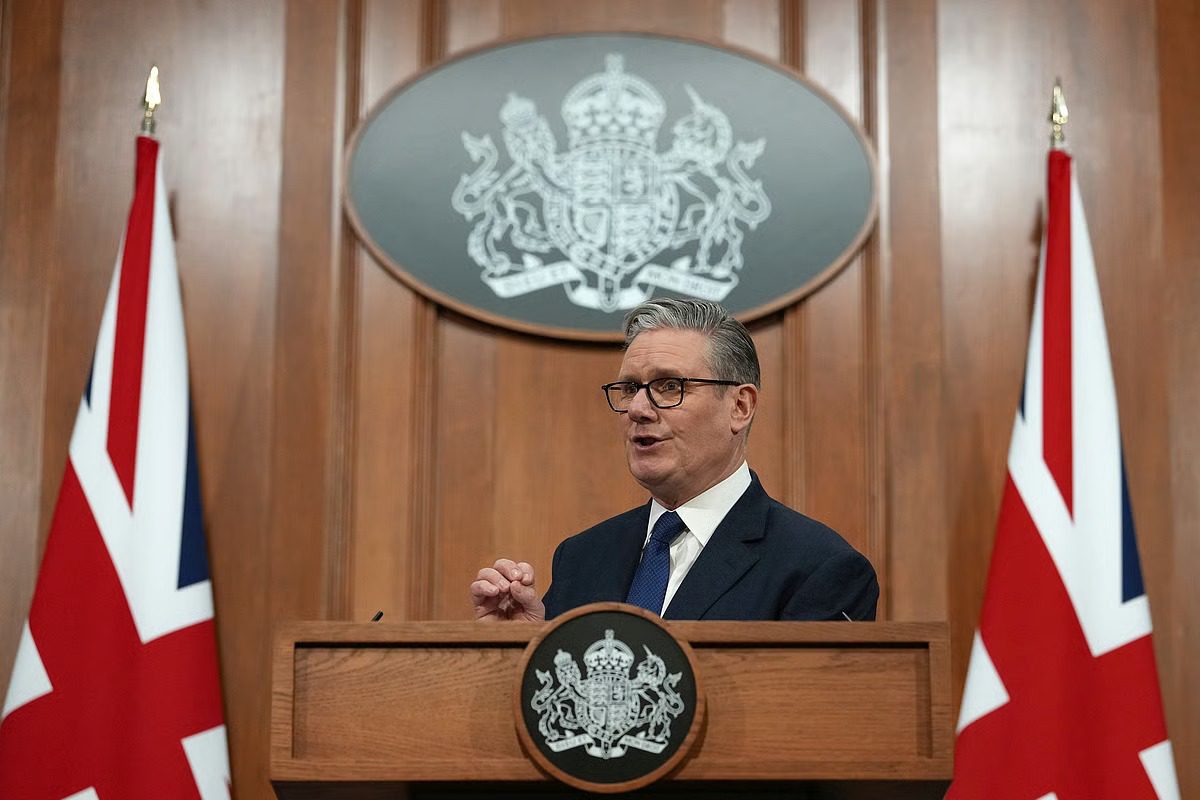
Prime Minister Keir Starmer confirmed the talks during a briefing at Downing Street, explaining that the session will focus on practical diplomatic and political steps to restore safe passage through the waterway. The discussions will be led by Foreign Secretary Yvette Cooper, with participating nations expected to explore ways to protect vessels, support stranded crews and resume the flow of essential goods.
Starmer acknowledged the scale of the challenge, making it clear that reopening the strait will not come easily. He noted that once the discussions conclude, military planners will also be engaged to assess how best to secure the route and ensure long-term safety after hostilities ease.
Countries including France, Germany, Italy, Japan and the Netherlands are among those expected to take part, following a joint commitment to support efforts that guarantee safe navigation through the strait.
The waterway has been largely shut down since the conflict escalated on February 28, after joint US and Israeli strikes on Iran. The disruption has sent shockwaves through global energy markets, as the strait typically handles a significant share of the world’s oil and liquefied natural gas shipments.
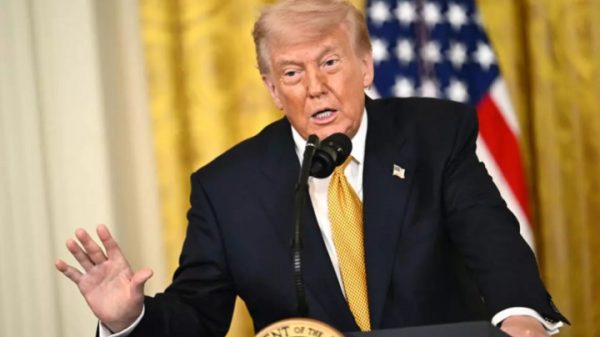
While pushing for a coordinated response, Starmer also voiced strong support for NATO, describing it as a long-standing pillar of global security. His comments come amid renewed criticism of the alliance from US President Donald Trump, who has questioned its effectiveness and raised concerns about member commitment.
Trump has also taken a firm stance on the crisis, suggesting that countries facing fuel shortages without contributing to the conflict should secure their own supply routes, indicating that the United States may not step in to assist.
Meanwhile, tensions in the region continue to disrupt maritime activity. Since early March, several commercial vessels have been caught up in incidents across the Gulf, the Strait of Hormuz and nearby waters. In one of the latest cases, a tanker linked to Qatar’s national energy operations was struck by an Iranian missile, though all crew members were safely evacuated.
Shipping activity through the strait has dropped sharply compared to normal levels, with only a handful of vessels making the crossing in recent days. The decline highlights the growing risks in the area, as operators navigate both security threats and restricted access routes.
Alternative paths have emerged near Iran’s coastline, but access remains limited, particularly for vessels linked to countries Tehran considers hostile. The situation has added further strain to global supply chains, with fewer ships willing or able to pass through the region.
As diplomatic efforts gather pace, the outcome of the UK-led talks could play a key role in shaping the next phase of the crisis, especially as the world watches closely for any sign of stability returning to one of its most important energy corridors.