


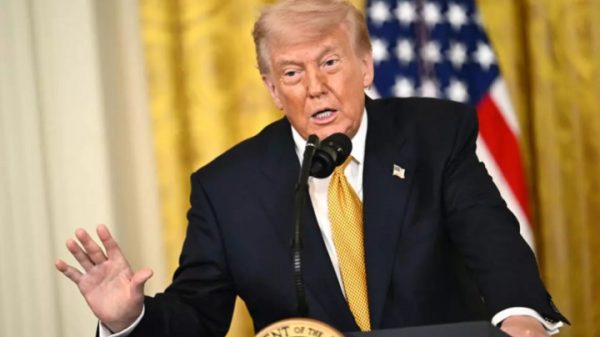
















The United States has officially withdrawn from the World Health Organisation, with the decision taking effect on Thursday, exactly one year after President Donald Trump signed an executive order initiating the exit.
Rules guiding WHO membership require any country seeking to leave the organisation to give a one-year notice, a condition that has now been fully met following Trump’s directive shortly after assuming office in 2025. With the notice period completed, the withdrawal is now in force.
Although the agreement also states that a departing member should clear all outstanding financial obligations before leaving, that requirement remains unresolved. Despite this, the WHO lacks the legal authority to compel payment or block a country from exiting once the notice period expires.
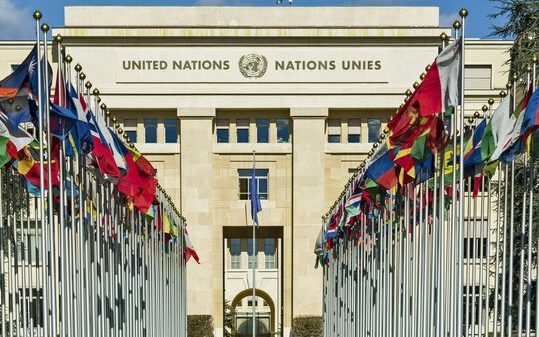
Reacting to the development, the organisation’s Director-General, Dr Tedros Adhanom Ghebreyesus, described the move as regrettable, warning that it carries consequences beyond the United States. He said the decision represents a loss not only for Americans but for the global health system, while stressing that the door remains open should the country choose to return.
President Trump had defended the withdrawal by accusing the WHO of failing to effectively manage the COVID-19 pandemic and other global health crises. He also claimed the organisation had resisted meaningful reforms and allowed political interests to influence its operations.
The executive order further criticised what it called unfair financial demands on the United States, arguing that American contributions were excessive when compared to those of other major countries. Trump insisted that the country had been treated unjustly by international bodies and vowed to end what he described as long-standing exploitation.
The exit has already had a noticeable impact on the WHO’s finances. The organisation is facing a major funding gap, leading to cuts within its management structure and reduced activities across several departments.
For decades, the United States had been the WHO’s largest single donor, accounting for roughly 18 percent of its overall funding. Its departure now marks a significant shift in the global health landscape, raising questions about how the organisation will adapt moving forward.