
































The Emir of Kano, Muhammad Sanusi II, has issued an urgent rallying cry to community pillars across the state, demanding a unified, collective effort to combat the escalating crisis of drug and substance abuse. The Emir specifically called upon District Heads, Village Heads, Imams, community leaders, parents, and youth groups to actively support the ongoing counter-narcotics campaign.
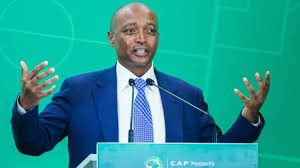
Sanusi made this crucial appeal on Tuesday in Kano at a three-day summit themed “Strength in Unity: Advancing Collective Action Against Drug Abuse in Kano.” The event was organized by the Kano Reformative Centre, Kiru, in collaboration with the National Drug Law Enforcement Agency (NDLEA), the Police, and Exorbitant Pathfinders, and was powered by the Michy Amin Foundation.
Represented by the Dankadan Kano and District Head of Shanono, Dr. Bashir Muhammad, the Emir painted a stark picture of the danger, describing drug abuse as a direct threat to the bedrock of societal values and the future prospects of young people. He stressed the profound consequences of inaction: “Losing a young person to drugs means losing a lineage, a dream and a future.”
The Emir strongly advised parents to increase their vigilance, urging them to “pay closer attention to their children’s movements, friends and behavioural patterns.”
Sanusi stressed that no single institution be it the police, government, or traditional leadership can win this war alone. Victory requires a comprehensive, multi-faceted approach involving intelligence sharing, strong community support, medical intervention, religious guidance, and the strengthening of traditional structures. He extended commendation to the Kano Reformative Centre for their timely and vital efforts in safeguarding the state’s future.
Ms. Cheryl Aminta-Akwagga, the Coordinator of the Kano Reformative Centre, explained that the program was specifically designed to bring together stakeholders from across the state to develop a joint, effective strategy. She highlighted the devastating consequences of the crisis, noting that drug abuse has destroyed families, weakened public health systems, and crippled economic productivity.
Aminta-Akwaga also appealed to parents and community members to stop stigmatizing affected children, cautioning that stigma frequently worsens their mental health and drives them toward deeper depression. She disclosed the staggering scale of the problem, revealing that the Centre is currently managing more than 3,500 clients undergoing rehabilitation, with thousands more being handled by partner agencies.
Adding her voice to the appeal, Maimuna Garba-Mohammed, the Deputy Commander of Narcotics at the NDLEA, Kano Strategic Command, affirmed that drug control is a shared responsibility that absolutely requires the active involvement of all stakeholders. The summit drew a diverse audience including Civil Society Organisations (CSOs), various security agencies, traditional and religious leaders, youth groups, students, and other concerned citizens,