





















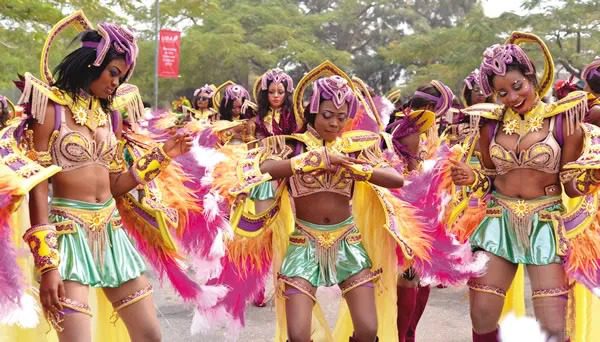
Carnival Calabar has continued to establish itself as one of the strongest drivers of tourism development in Nigeria, steadily growing into a major cultural attraction with both local and international recognition.
Over the years, the festival has built a reputation as Africa’s leading carnival, standing ahead of others such as those in Cape Town, Harare, Mozambique and Goree Island, while also reviving Nigeria’s own historic Fanti Carnival. Its rise has shown how cultural events can shape tourism, strengthen local economies, create jobs and preserve heritage at the same time.
When the Calabar Carnival began in 2004, many observers were unsure about its future, especially given the tendency for government driven projects in Nigeria to lose momentum over time. However, its continuity has been sustained by strong political backing and the unique cultural identity of Calabar itself, which naturally fits the spirit of the festival.
The initiative gained early structure under then Governor Donald Duke, whose vision helped establish a lasting foundation. Successive administrations built on that groundwork, turning the carnival into a recognised global brand that continues to attract attention far beyond Nigeria.
Beyond entertainment, the festival has created real economic opportunities for young people, many of whom engage in performances, creative production and event related services during the festive season. It has also helped uncover talents that might otherwise have gone unnoticed.
Another notable impact has been its role in reshaping international perception of Africa. Visitors from the Caribbean and other regions who have attended the festival often return with a renewed understanding of Nigeria’s cultural depth and creativity.
The unveiling of the 2026 Carnival Calabar in Lagos drew a wide audience that included tourism operators, travel agencies, diplomats, media representatives and key industry stakeholders. The event reflected growing interest in the festival and its expanding influence within the global tourism space.
With the theme Rethinking Our Collective Destiny, the 2026 edition was formally launched as organisers outlined plans for a more engaging and commercially viable carnival. The Cross River State Governor, Senator Bassey Otu, assured sponsors of improved returns on investment and encouraged continued support, stressing that the carnival remains a flagship tourism product for the state and the country.
He also noted plans to engage the diaspora community more actively in promoting the carnival internationally, alongside strategies to expand sponsorship value and increase global visibility. According to him, efforts are underway to strengthen digital streaming and content monetisation in order to maximise the festival’s reach.
The governor further explained that the state is restructuring its creative economy to expand tourism assets, create more jobs and attract repeat visitors. He described the carnival as a key driver in positioning Cross River State as a leading destination in Africa’s tourism landscape.
Stakeholders at the event also expressed strong support for the upcoming edition. The President of the Federation of Tourism Associations of Nigeria, Dr Badaki Aliyu, pledged collaboration to ensure a more successful outing in 2026, commending past efforts and the consistency of the organisers.
International tourism consultant, Ambassador Ikechi Uko, highlighted the intentional planning behind Carnival Calabar, describing it as a well structured tourism brand that has grown steadily over the years. He noted its influence on seasonal tourism trends and encouraged tour operators to fully integrate the festival into travel packages targeted at international visitors.
According to him, the carnival has played a foundational role in shaping Nigeria’s modern festive tourism culture, long before recent global attention around seasonal events in the country.
The Chairman of the Carnival Calabar Commission, Gabe Onah, reaffirmed the event’s international standing and noted new innovations such as online audience voting and plans for expanded digital engagement in future editions.
The event also featured recognition of outstanding participants from the previous year’s carnival, with awards presented to winning groups and local government performers. Calavegas Band emerged as one of the most decorated groups of the night, receiving multiple honours for its performances.
Dignitaries present included top officials from the Cross River State Government, representatives from the tourism and creative sectors, and other key stakeholders, all reinforcing the growing importance of Carnival Calabar as a flagship cultural and economic project for Nigeria.