





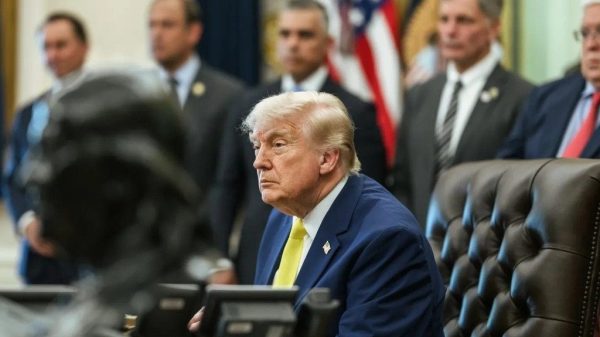
























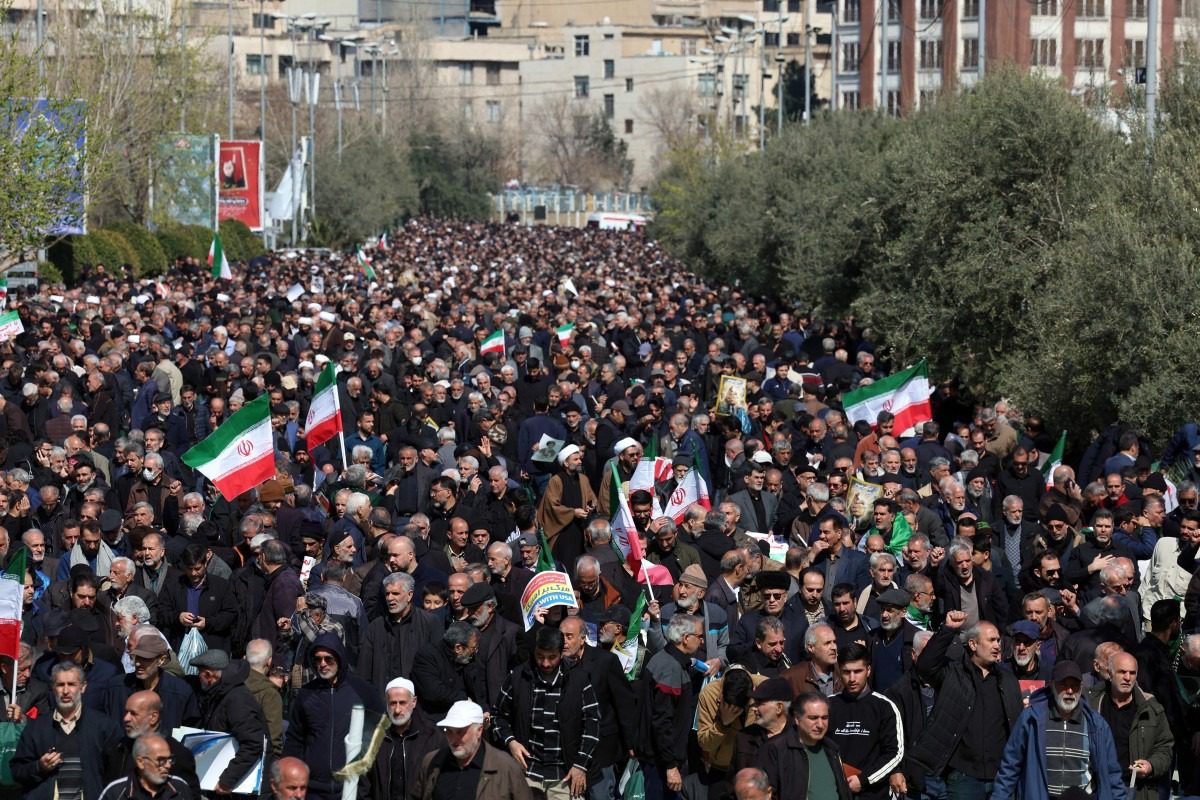
Iran has firmly rejected a US proposal aimed at ending the ongoing Middle East conflict, signaling that Tehran will only decide the terms and timing of any resolution. A senior Iranian official, speaking on state television, emphasized that “the end of the war will occur when Iran decides it should end, not when Trump envisions its conclusion.”
The 15-point plan, reportedly conveyed through Pakistani intermediaries, was part of Washington’s effort to de-escalate the nearly month-long fighting that has engulfed the region. Two senior officials in Islamabad confirmed that the US plan had been formally sent to Tehran, though the details of the response were described as negative.
Pakistan has positioned itself as a potential mediator, leveraging its long-standing ties with both Iran and the United States, as well as its influence in regional affairs. Prime Minister Shehbaz Sharif and Foreign Minister Ishaq Dar have maintained close contact with Iranian officials and expressed readiness to host any talks. Alongside this, they have worked to coordinate with Gulf allies, including Saudi Arabia, with Sharif reportedly speaking to Crown Prince Mohammed bin Salman on Wednesday morning. The countries’ existing mutual defense agreements further underline Islamabad’s role as a stabilizing actor.
Field Marshal Asim Munir, head of the Pakistan army, has also played an active part in diplomatic efforts, engaging directly with President Trump over the weekend to explore pathways for dialogue. Despite these moves, Iran has maintained a cautious stance, assuring that “non-hostile” oil vessels would be allowed through the strategically critical Strait of Hormuz while rejecting the US initiative.
Iran’s ambassador to Pakistan, Reza Amiri Moghadam, clarified that no formal negotiations—direct or indirect—have taken place between Tehran and Washington, contradicting statements from Trump that suggested progress toward a resolution. This underscores the deep mistrust between the two nations and signals that any breakthrough will require careful, patient diplomacy rather than unilateral expectations.
The unfolding situation highlights the delicate balance of regional and international interests, with Pakistan playing a pivotal mediating role while Tehran asserts its sovereignty in determining how and when the conflict concludes.