

























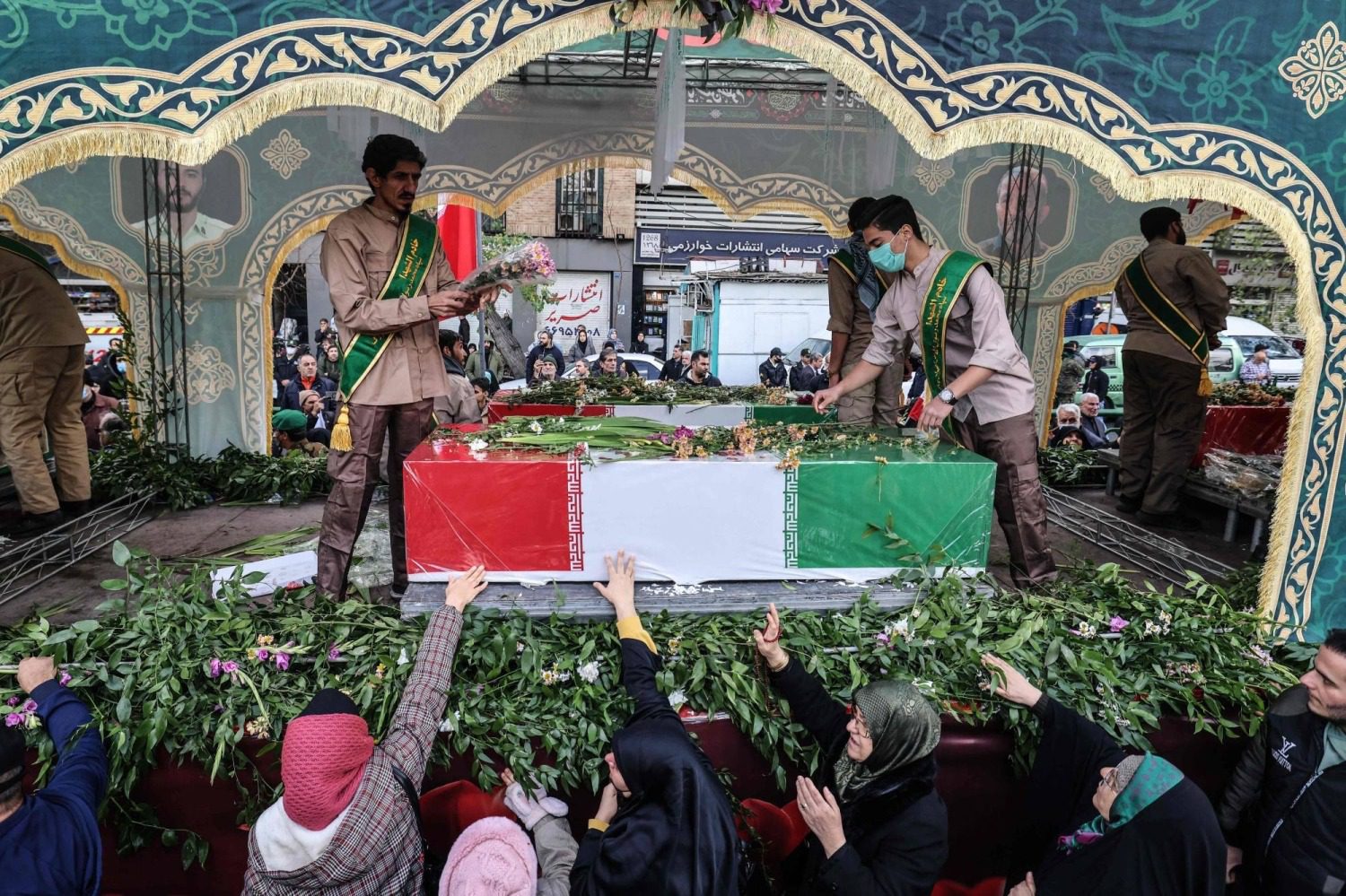
Iran is set to hold a funeral on Wednesday for its security chief, Ali Larijani, as tensions continue to rise following his death in an Israeli airstrike. Authorities in Tehran have made it clear that a response is coming, already launching a wave of missiles toward Israel in retaliation.
The latest escalation has begun to take a toll across the region. In Israel, missile strikes from Iran left two people dead near Tel Aviv after a building was heavily damaged. At the same time, several Gulf countries moved quickly to intercept rockets and drones believed to be heading toward strategic targets, including locations linked to the United States.
The conflict has also spread into Lebanon, where Israel carried out fresh strikes, including in central Beirut. Thick smoke was seen rising over parts of the city, adding to fears that the war is widening beyond its original frontlines.
According to reports monitored by Zoyols, funeral rites for Larijani and Gholamreza Soleimani, the head of Iran’s Basij paramilitary force who was also killed, will take place in Tehran later in the day. Both deaths were confirmed on Tuesday and have further shaken Iran’s leadership structure.
Larijani’s killing marks one of the most significant losses for Iran since the current wave of attacks by Israel and the United States began on February 28. The earlier death of Supreme Leader Ayatollah Ali Khamenei had already pushed the region into a broader conflict, with his funeral plans still unresolved after being postponed indefinitely.
Iran’s military leadership has not held back in its response. Army chief Amir Hatami warned that the country’s reaction to the assassination would be decisive and deeply felt, signaling that the confrontation is far from over.
Beyond the battlefield, the crisis is beginning to impact the global economy. Iran has taken steps that have disrupted activity around the Strait of Hormuz, a key route for global oil shipments. With oil prices hovering close to $100 per barrel, concerns are growing about wider economic consequences.
Foreign Minister Abbas Araghchi warned that the effects of the conflict are only starting to unfold and could soon be felt globally. Efforts to secure the vital waterway have already drawn in the United States, which deployed some of its most powerful weapons against Iranian missile positions near the coast, targeting sites seen as threats to international shipping.
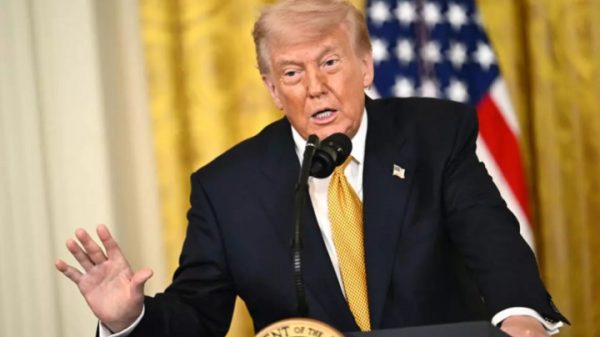
Despite frustration over limited support from allies, US President Donald Trump insisted that American forces are capable of handling the situation alone, even as tensions continue to rise.
Iran’s Revolutionary Guards have also signaled that more attacks could follow. In a statement, they described Larijani’s death as a turning point that would strengthen national resolve and fuel further action against their adversaries.
Elsewhere, reactions have been swift. Turkey criticized Israel’s targeted killings, describing them as actions that fall outside accepted rules of war. Israel, however, has remained firm in its stance, warning that it will continue to pursue key Iranian figures, including the country’s new supreme leader, Mojtaba Khamenei.
As the situation unfolds, violence continues to spread. In Lebanon, fresh Israeli strikes reportedly killed several people in Beirut, while the south of the country remains under heavy pressure. The fighting there intensified after Hezbollah launched rockets toward Israel following the killing of Iran’s top leadership.
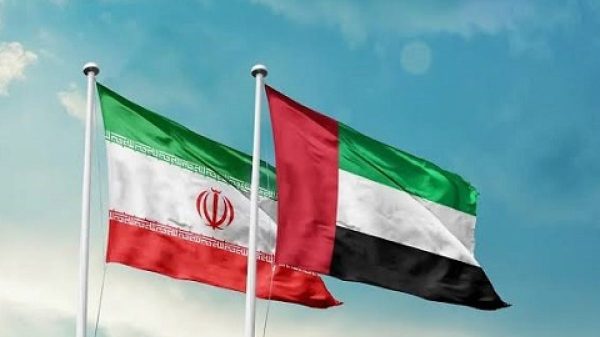
Other parts of the region have not been spared. An Iranian projectile was reported near a military site in the United Arab Emirates, while Saudi Arabia confirmed it intercepted a ballistic missile close to a base hosting US personnel.
What is emerging is a rapidly expanding conflict, one that is no longer confined to a single battleground. With both sides showing no signs of stepping back, the risk of a wider regional crisis is becoming harder to ignore.