
































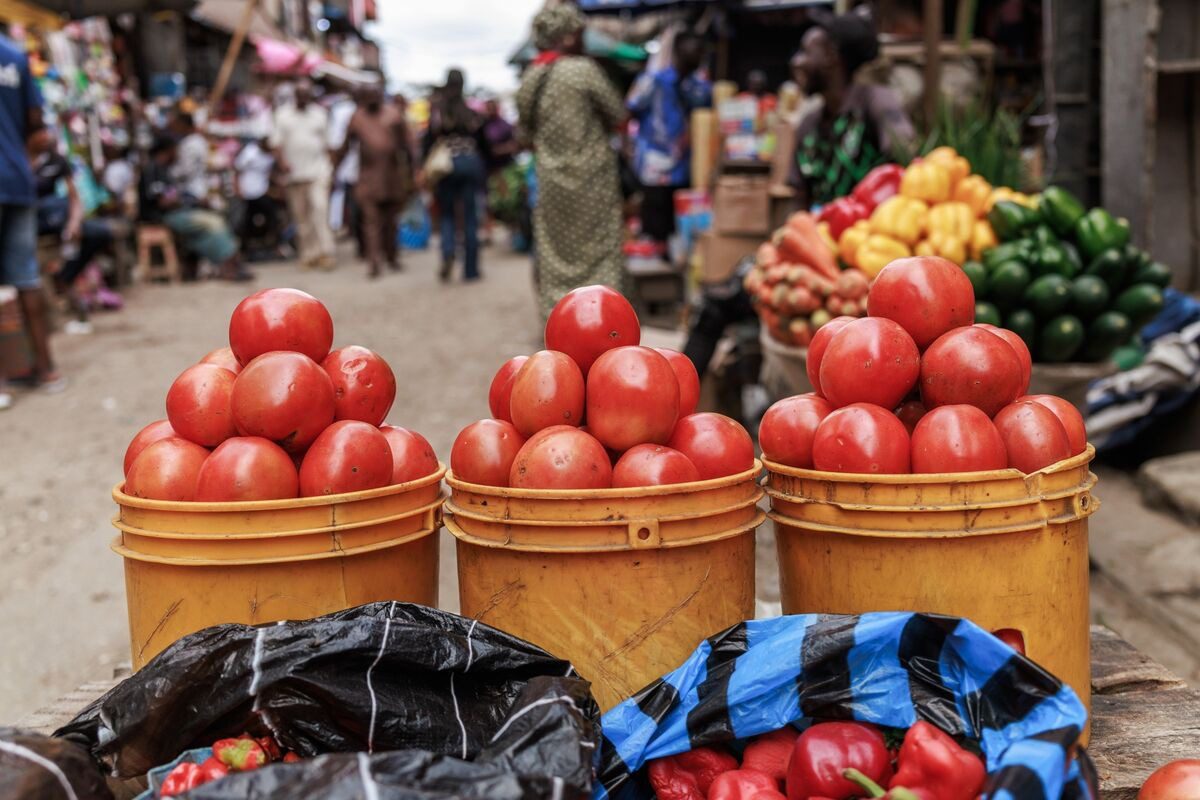
The latest data from the National Bureau of Statistics reveals a tightening squeeze on the pockets of Nigerians, as the headline inflation rate climbed to 15.38% in March 2026. This move upward from February’s 15.06% was largely driven by the rising costs of kitchen staples such as yam, cassava, and groundnuts. Other essential items, including Irish potatoes, dried ogbono, fresh tomatoes, and cassava flour, also saw significant price hikes, contributing to a month-on-month increase of 4.18%—a sharp jump compared to the 2.01% growth recorded just a month earlier.
External factors have played a major role in this domestic struggle. Global tensions earlier this year pushed crude oil prices above the $100 per barrel mark. This surge inevitably trickled down into the local economy, driving up the costs of petroleum products, transportation, and ultimately, the food on our tables. At the divisional level, food and non-alcoholic beverages were the biggest contributors to the inflation spike, followed by hospitality and transport services.
A closer look at the geographical spread shows that the burden is not being felt equally across the country. Bayelsa State recorded the highest inflation at 27.37%, followed closely by Sokoto and Bauchi. In contrast, states like Osun, Kano, and Kaduna managed to maintain much lower rates. The food inflation landscape followed a similar pattern, with Bayelsa and Sokoto seeing the most dramatic surges, while Kano and Oyo recorded the slowest increases. Interestingly, some areas like Katsina and Ogun actually saw a slight decline in food prices on a month-on-month basis.
Dr. Muda Yusuf, CEO of the Centre for the Promotion of Private Enterprise, weighed in on these developments during a conversation with Zoyols News. He pointed out that the current trend reflects a resurgence of energy price pressures. Since Nigeria relies heavily on fuel and gas for everything from power generation to logistics, any increase in energy costs quickly infects the entire production and distribution chain. He described this as a “cost-push” dynamic, suggesting that the underlying causes of inflation are still very much present and active.
The human element of these statistics is perhaps the most concerning. Because food and transport are essential, non-discretionary expenses, households have very little room to adjust their spending. As prices rise, real income and purchasing power simply evaporate, leading to increased poverty and wider inequality. Dr. Yusuf noted that the situation is worsened by the fact that public transportation is largely controlled by the private sector. Without a well-regulated and affordable public transport system, citizens remain vulnerable to rapid fare hikes whenever fuel prices fluctuate.
This latest report serves as a reminder that while year-on-year figures might show some signs of moderation, the day-to-day reality for many remains fragile. Addressing these structural issues—particularly in the energy and transportation sectors—is becoming increasingly urgent. Relying solely on monetary tools may no longer be enough to protect households and businesses from the deepening cost-of-living challenges that currently threaten macroeconomic stability.