
















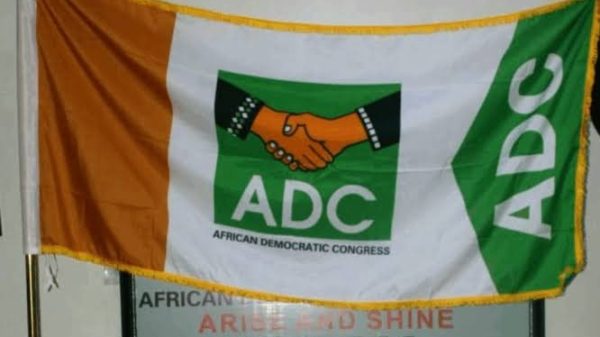





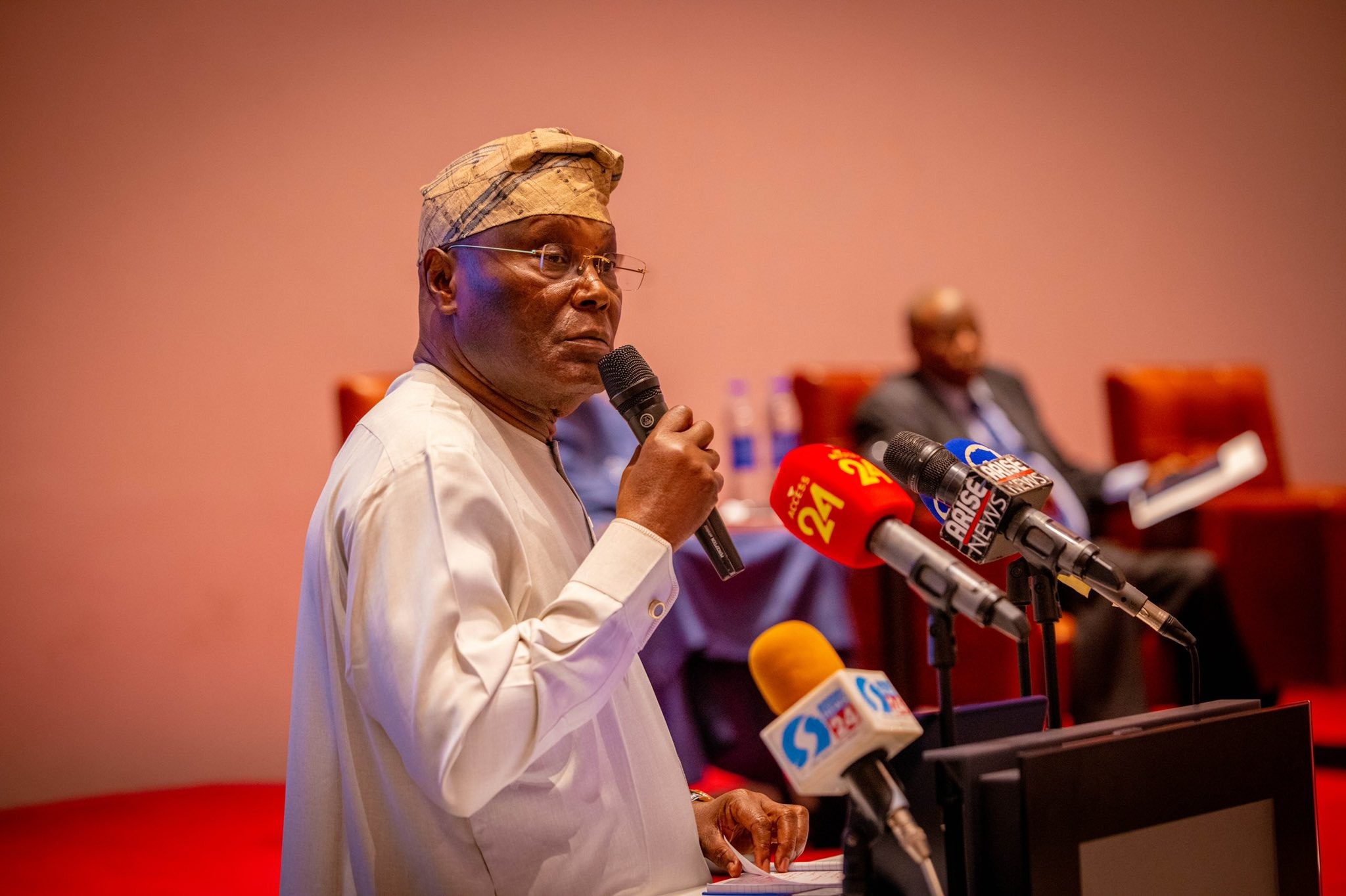
Former Vice President Atiku Abubakar has declared that he would be willing to withdraw from the 2027 presidential race if a younger and more vibrant candidate emerges under the African Democratic Congress (ADC).
Speaking in an interview with BBC Hausa, Atiku stressed that his interest has never been about holding on to power at all costs but about helping to rebuild Nigeria. He noted that his involvement in the next election would not stop younger politicians from contesting, urging Nigerian youths to step forward and play active roles in rescuing the country.
Atiku denied claims that he is desperate to occupy the presidency, saying his focus remains on liberating Nigeria from those who, in his view, have held it hostage. He explained that this was part of the reason he aligned with the ADC, as internal crises within the Peoples Democratic Party (PDP) made it difficult to build a strong opposition against the ruling APC.
According to him, some influential figures within the PDP were allegedly being used to destabilize the party, which made genuine reform impossible. He argued that if he had been in a position of authority within the party’s leadership, he could have taken decisive steps to resolve the crisis. Instead, he said those at the helm pursued mostly personal interests.
On the state of the ADC, Atiku disclosed that efforts are underway to strengthen the party’s structures across states and local governments ahead of 2027. He said while the national leadership is already in place, work is ongoing to solidify the grassroots base.
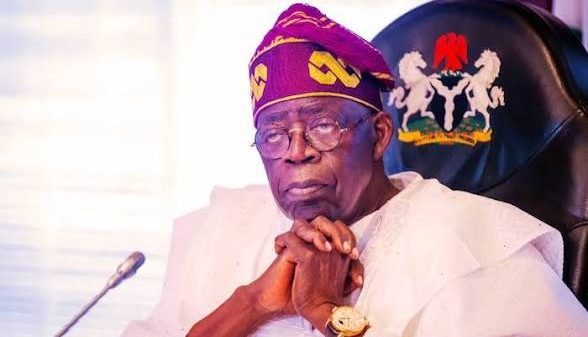
Reflecting on Nigeria’s 65th Independence anniversary, Atiku lamented that despite some progress over the decades, the nation is far from the dreams of its founding fathers. He accused President Bola Tinubu’s administration of worsening poverty and hardship through poorly planned policies, especially the abrupt removal of fuel subsidy in 2023.
Atiku recalled that during his tenure as vice president, he had proposed a phased removal of subsidy with input from labour unions and other stakeholders. He argued that Tinubu’s decision to eliminate it all at once, without cushioning measures, inflicted severe economic pain on Nigerians.
He dismissed the President’s Independence Day speech in which Tinubu claimed that the “worst is over” for Nigerians. According to Atiku, the reality on the ground contradicts such optimism, as hunger, inflation, and insecurity continue to define daily life.
In a strongly worded statement issued by his aide, Phrank Shuaibu, Atiku said the government’s narrative of progress was disconnected from the suffering of ordinary citizens. He pointed to the soaring prices of food and transportation, the struggles of families to afford basic meals, and the continued wave of insecurity across the country.
Atiku also highlighted the tragic killing of Somtochukwu, a young news anchor, as a painful reminder of the country’s fragile security. He questioned the government’s claims of distributing billions to poor households, saying Nigerians were yet to feel or see any evidence of such relief.
He concluded that independence anniversaries should serve as sober reflections rather than self-praise, stressing that the true measure of progress is not in speeches or statistics but in whether citizens can feed their families, access healthcare, and live safely in their communities.
“Nigeria is 65 years old, but our leaders still serve promises like meals while the pot remains empty,” he remarked.