








































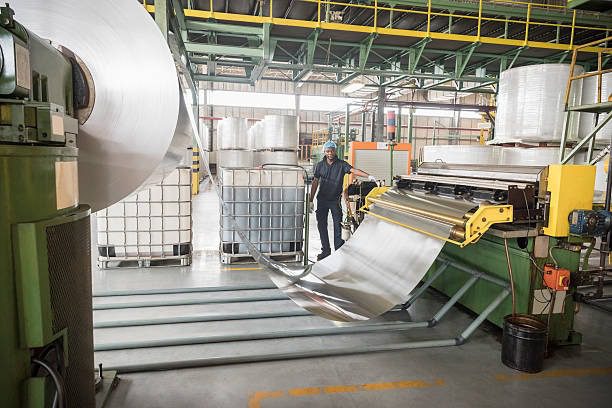
Foreign investment in Nigeria’s manufacturing sector has taken a significant hit over the last two years, revealing a troubling decline in investor confidence despite a general increase in the amount of capital entering the country. According to the latest data from the National Bureau of Statistics analyzed by Zoyols News, capital importation into the production and manufacturing sector plummeted by 51.44 percent, dropping to $772.45 million in 2025 from the $1.59 billion recorded in 2023.
The downward trend has been steady and concerning. Inflows first dipped to $1.43 billion in 2024 before the more drastic slide witnessed in 2025. Perhaps more telling is the sector’s shrinking slice of the total investment pie. In 2023, manufacturing was a dominant force, accounting for nearly half of all foreign capital at 49.73 percent. By 2024, that share had withered to 11.58 percent, and by 2025, it represented a mere 3.33 percent of total inflows.
What makes this situation particularly ironic is that the broader Nigerian economy is actually seeing more foreign money than before. Total capital importation surged from $3.91 billion in 2023 to over $23 billion by 2025. However, this growth highlights a widening disconnect. While money is flowing into the country, foreign investors are increasingly favoring short-term financial instruments rather than making the long-term, “boots-on-the-ground” investments required to build factories and boost local production.
A closer look at the figures from the final quarter of 2025 reinforces this shift. Out of the $6.44 billion that entered the country in those three months, a staggering 85.14 percent consisted of portfolio investments—essentially “hot money” looking for quick returns. In contrast, Foreign Direct Investment, which typically funds infrastructure and long-term industrial projects, lagged behind at just 5.55 percent of the total.
When looking at where the money is actually going, the banking and finance sectors are the clear winners, attracting nearly 90 percent of all inflows during the quarter. Meanwhile, the manufacturing sector saw a modest $308.93 million, representing less than five percent of the total.
Economic analysts are raising the alarm that this sharp retreat from industrial investment could stall Nigeria’s path toward meaningful diversification. At a time when the nation is striving to move away from oil and strengthen its local supply chains, the preference for financial speculation over factory floor production remains a major hurdle for long-term industrial growth.