


























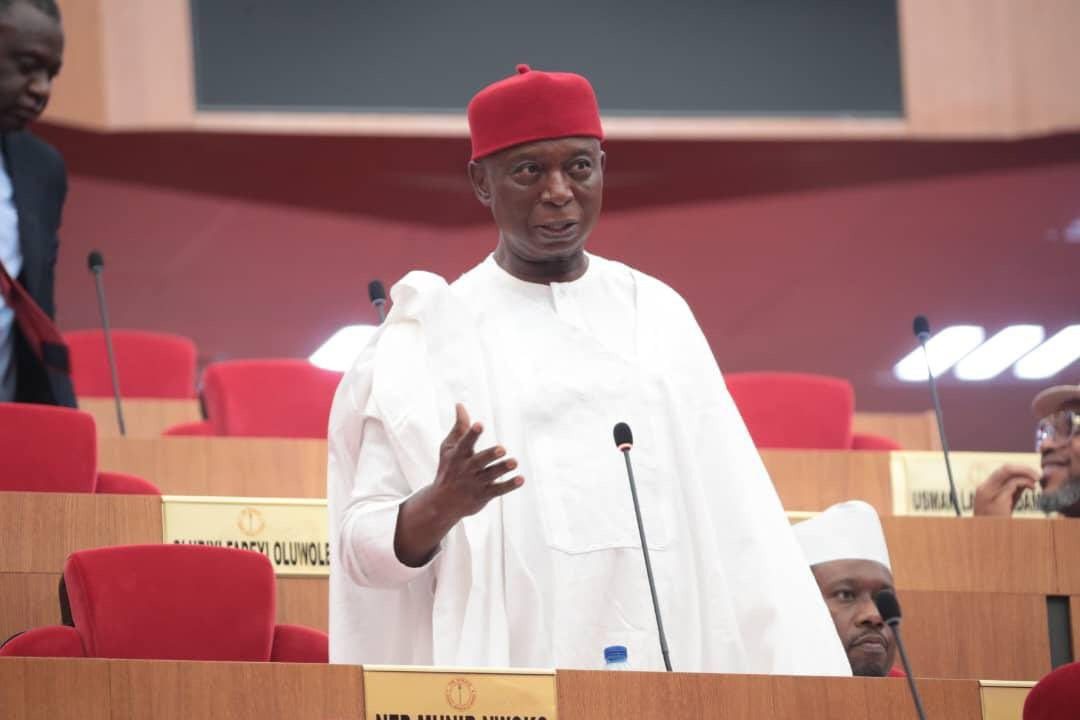
Senator Ned Nwoko has called for a more open and inclusive political system in Nigeria, stressing that leadership should not be reserved for a privileged few but should serve the interests of all citizens. Speaking with Zoyols Blog in Abuja, the senator said genuine commitment to national growth and public service must guide every political leader’s actions.
According to Nwoko, who represents Delta North and chairs the Senate Committee on Reparations and Repatriation, Nigeria’s progress depends on leaders who think beyond personal or party interests. He explained that his political philosophy is anchored on inclusivity, fairness, and people-centered governance, ensuring that every Nigerian benefits from the dividends of democracy.
Reflecting on his two years in the Senate, Nwoko said his experience had shaped his legislative focus and inspired him to champion 34 bills aimed at transforming governance, strengthening institutions, and promoting social and economic development. He said these bills reflect his commitment to building a just, transparent, and opportunity-driven Nigeria.
Among the notable bills he has sponsored are the Constitutional Amendment for the Creation of Anioma State, the Nigerian Youth Entrepreneurship Grant Programme Bill, and the Waste Management and Malaria Eradication Agency Bill. Others include the One-Month Rent Limitation and Landlord Registry Act, which seeks to regulate tenancy practices and protect renters through fair and transparent rental systems.
Nwoko also highlighted bills such as the Electoral Courts Establishment Act, the Compulsory Professional Indemnity Act, and the Cashless Asset Acquisition Act, which aims to enhance financial transparency and curb illicit transactions by mandating traceable payment systems for high-value deals.
He further mentioned several other reform-driven proposals, including the Self-Defense and Firearm Ownership Regulation Act, the Coroners Systems Re-Enactment Act, the Diaspora Voting Bill, and the Parliamentary Governance System Bill. Additional efforts include initiatives to upgrade educational institutions in Delta State, such as transforming Ogwashi-Uku Polytechnic into a Federal University of Technology.
Nwoko’s legislative agenda also extends to the establishment of security, health, and leadership institutions across the country. His proposed National Vigilante Group Bill, Orthopedic Hospital Bill for Onicha-Ugbo, and the Institute for Leadership, Entrepreneurial and Corporate Governance Bill are examples of his vision for a stronger, more accountable Nigeria.
He said these legislative efforts reflect his belief in a fair and balanced federation where governance serves every citizen and institutions operate with integrity. “My goal is to help build a reformed and globally competitive Nigeria a nation that works for everyone, not just a few,” Nwoko said.