






































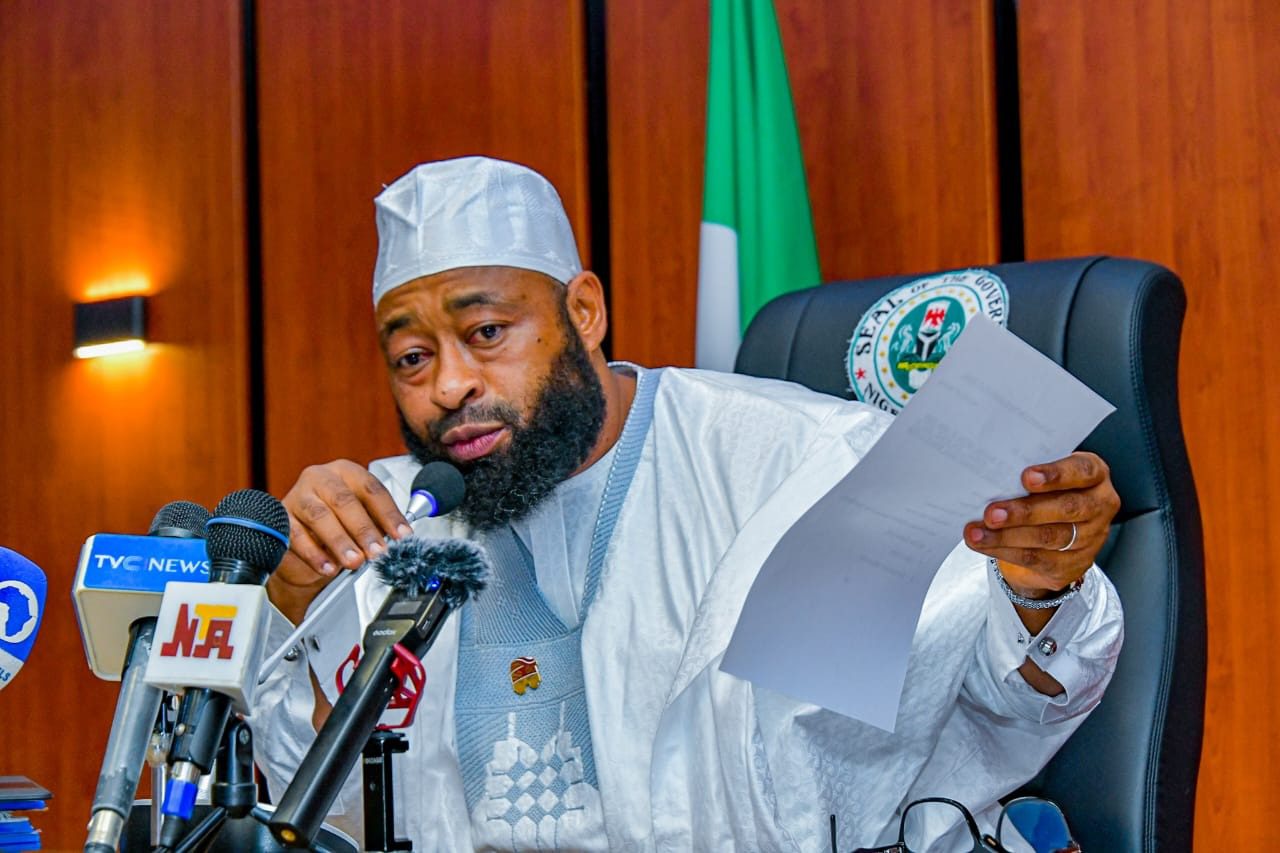
Governor Umar Bago of Niger State has defended the new policy requiring preachers to submit their sermons for approval before addressing congregations.
Speaking during a television interview, the governor explained that the move was not intended to ban evangelism but to regulate religious messages in order to prevent hate speech and incitement. According to him, no cleric should use the pulpit to promote messages that undermine the people or the government.
“For everyone preparing to preach, whether on Friday or Sunday, the scriptures must be submitted for review. This is not unusual. Even in countries like Saudi Arabia, it is practiced. Clerics cannot be allowed to deliver anti-people or anti-government messages and expect it to be overlooked,” Bago said.
He confirmed that the initiative is partly to prevent indoctrination and will be carried out in partnership with security agencies, including the Department of State Services, the Police, the Civil Defence Corps, and the military.
The policy, which was first announced earlier this month, has stirred heated debate. The Director General of the Niger State Religious Affairs Board, Umar Farooq, said all preachers in the state would now be required to obtain licences within two months. He explained that applicants would fill out forms, appear before a screening panel, and only then be permitted to preach.
While some religious leaders welcomed the idea as a step towards curbing inflammatory sermons, others have expressed concern. Bashir Yankuzo, Chief Imam of the Federal University of Technology, Minna, said although the government cannot dictate who preaches, it has a responsibility to check those who incite violence or threaten public peace.
The Christian Association of Nigeria in Niger State, however, stated that it had not been officially informed of the decision. “We are not aware of the ban. When we are officially briefed, we will issue a statement,” said the group’s secretary, Raphael Opawoye.
For some scholars, the policy amounts to an infringement on fundamental rights. Islamic cleric Uthman Siraja argued that rather than imposing blanket restrictions, government should hold accountable only those who use religion to stir division.
The debate continues to grow as residents and religious communities weigh the balance between freedom of worship and the state’s drive to maintain peace and security.