























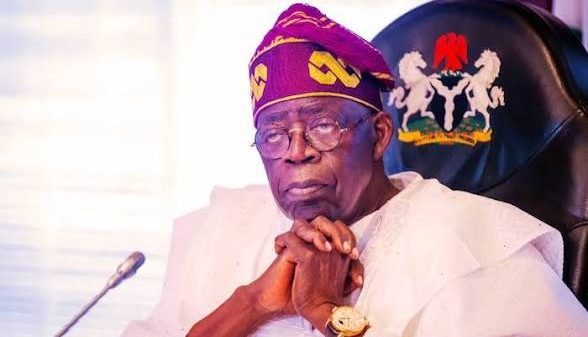







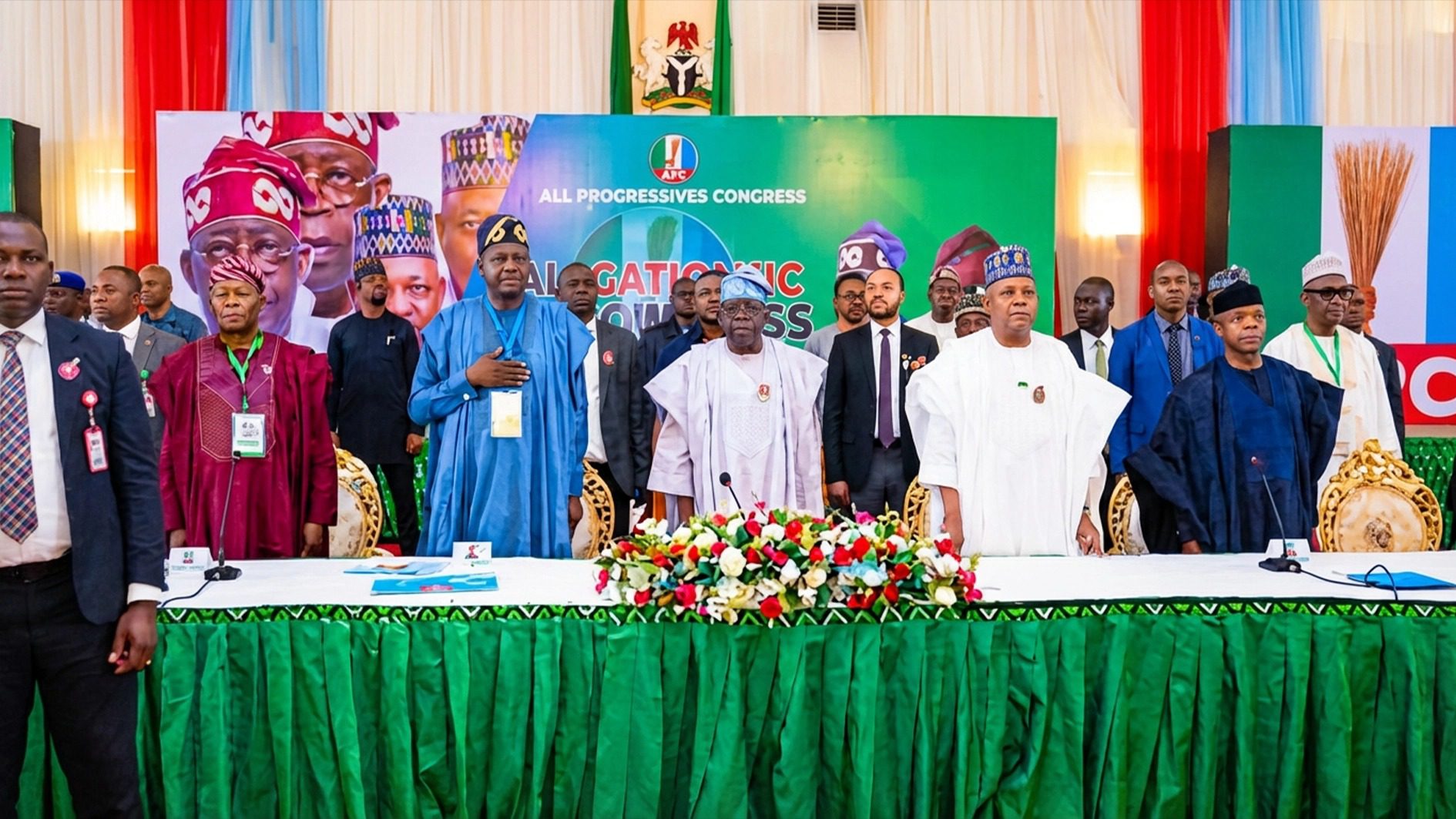
When President Bola Ahmed Tinubu recently visited Yola to commission a series of projects, the atmosphere felt different from the usual political script. In a country where party differences often resemble a theatre of war, seeing a president from one party openly celebrate the achievements of a governor from the opposition is a rarity. This wasn’t just a standard diplomatic stop; it was a moment where actual performance forced its way through partisan barriers.
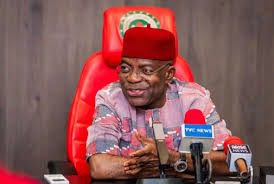
For decades, Nigerian politics has been defined by a “crush or be crushed” mentality. Opposition states are frequently sidelined, and development often feels like a reward for political loyalty rather than a right of the people. However, the scene in Adamawa broke that cycle. By choosing to unveil and endorse projects built by Governor Ahmadu Umaru Fintiri, the presidency sent a clear message: results matter more than labels.
This visit highlights a significant shift in Governor Fintiri’s standing. It suggests that his work in Adamawa has become simply too visible to ignore. The transformation of the state isn’t just a talking point for the media; it is physically represented in the new road networks, the renewal of urban spaces, and the completion of public buildings that had long fallen into decay. In an environment where many leaders find endless excuses for failure, Fintiri has spoken through the language of finished projects.
This event also serves as a reminder that leadership is most effective when it focuses on outcomes rather than noise. While some politicians expend their energy on public theatrics and grievances, the current administration in Adamawa seems to have prioritized administrative order and continuity. The presidential praise wasn’t an act of charity; it was an earned recognition of a governor who has moved beyond the “victim” narrative often adopted by the opposition to deliver tangible progress.
The psychological impact on the people of Adamawa is perhaps the most important takeaway. When a president validates the work of an opposition governor, it builds a sense of stability and civic pride. It tells investors that the state is open for business and signals to public servants that the culture of abandoned projects is over. It elevates the state from the periphery of national discourse to a central example of what strategic governance looks like.
Of course, in the world of high-stakes politics, symbolism is always a form of currency. The visit undoubtedly allowed the center to project a sense of magnanimity and national reach. Yet, even with that strategic lens, one truth remains: you cannot commission a ghost. You cannot applaud a project that hasn’t been built. The roads had to be paved, and the structures had to be standing for the President to cut the ribbon.
Ultimately, the lesson from Yola is that performance is the most persuasive argument in politics. When governance produces undeniable results, it forces even the strongest rivals to adjust their rhetoric. Governor Fintiri has shown that competence can bridge the deepest ideological divides. In a nation often starved of bipartisan maturity, this moment of earned recognition stands as a testament to what is possible when work comes before warfare.