





































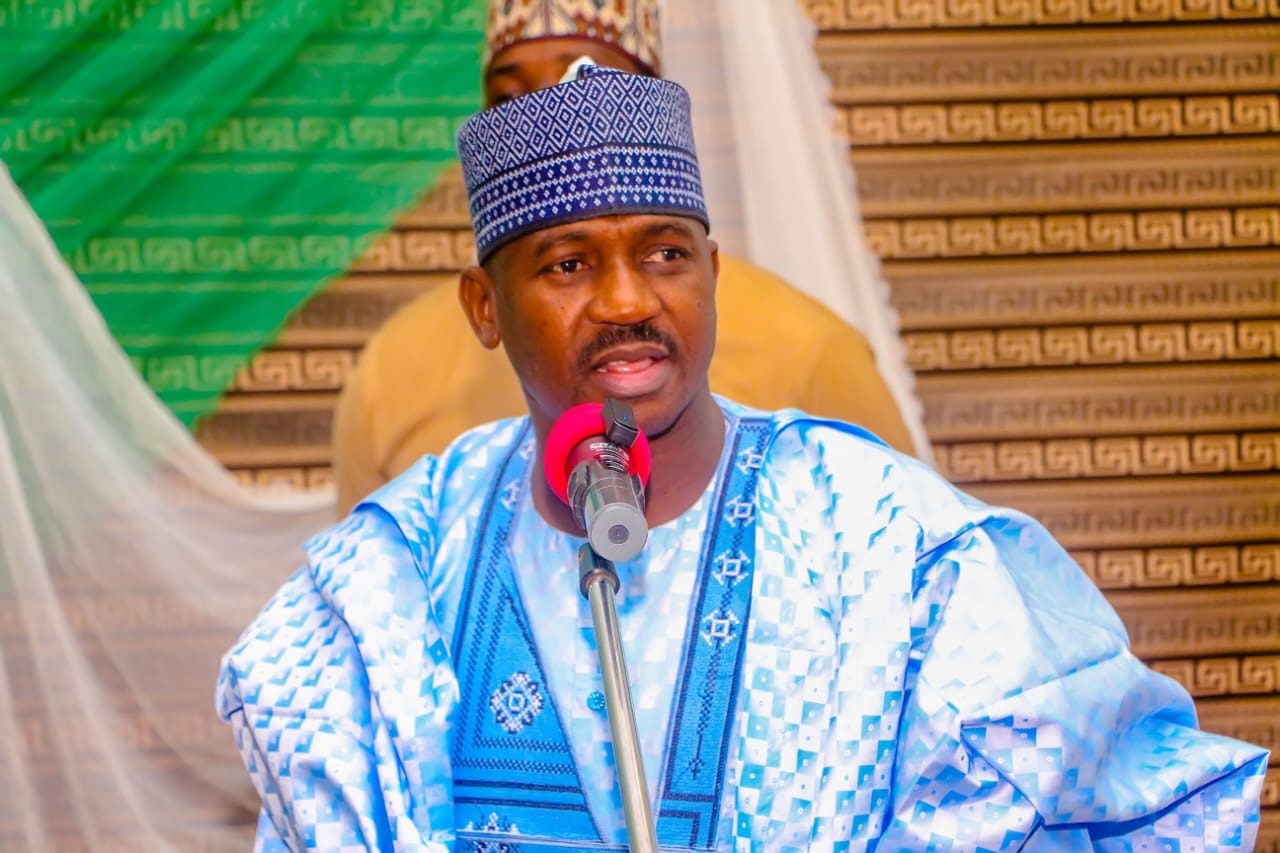
When Governor Ahmad Aliyu took office in Sokoto, the state seemed like a stage for constant political criticism. Former supporters of the previous administration, now led by Senator Aminu Waziri Tambuwal, had made it their mission to challenge every move of the new governor. The noise was loud and relentless. Yet nearly three years into Aliyu’s tenure, that once-vocal opposition has all but disappeared. Observers are left wondering if the critics ran out of resources or arguments. The reality is far simpler and far more interesting: performance has replaced propaganda.
While others spent energy crafting rebuttals and amplifying dissent, Aliyu focused on delivering tangible results. His administration prioritized outcomes that citizens could feel in their daily lives, replacing political noise with visible change. This approach has shifted the conversation in Sokoto from slogans to substance.
Security has been a cornerstone of Aliyu’s administration. Instead of promises, he implemented practical measures, distributing patrol vehicles to law enforcement and creating a Community Guard Corps to strengthen local security. These interventions are more than symbolic; they actively reclaim spaces and restore safety, and they have played a key role in quieting former critics.
Structural initiatives complemented these moves. The state enhanced the Nigerian Air Force’s operational capacity in Sokoto and began constructing a new military facility in Illela along a sensitive border. This combination of boots on the ground, mobile patrols, and infrastructure improvements has stabilized communities, increased market activity, and brought children safely back to school.
Aliyu’s administration has also focused on the welfare of security personnel. Increased allowances and improved working conditions for officers deployed in high-risk areas signal a serious commitment to safety. Citizens notice when their communities are safer, and frontline officers feel valued, further diminishing the impact of political theatrics.
Infrastructure projects have made an equally visible impact. Rehabilitation of township and rural roads has improved mobility for traders, farmers, and healthcare workers. Urban development and housing programs are changing everyday life, turning roads and streets from obstacles into opportunities for growth.
Energy initiatives have followed the same pattern. Completion of an Independent Power Project has expanded electricity access to several local government areas, benefiting households and small businesses alike. Reliable power fosters livelihoods and creates a climate where criticism over inefficiency loses its edge.
Healthcare and education have not been overlooked. Renovations and upgrades to hospitals and schools, especially in rural communities, are tangible evidence of a government acting for its people. Clinics now function, classrooms are usable, and essential equipment is in place. When leaders respond directly to emergencies visiting displaced families, coordinating relief, and engaging personally with affected communities it reinforces trust in government and reduces the resonance of paid-for opposition narratives.
Recognition beyond state lines has followed. Awards and commendations highlight Aliyu’s administrative competence and provide independent confirmation of his achievements. This external acknowledgment further diminishes the influence of critics who relied on volume rather than value.
The opposition that thrived on noise has little traction when citizens experience concrete improvements in security, infrastructure, energy, healthcare, and education. Performance changes the incentives of political actors; the market for mere slogans shrinks when people see real results.
While no administration is flawless, Aliyu’s record shows a marked shift. Sokoto politics has moved from a shouting match to a focus on functional governance. The once-vocal antagonists have faded, not by force, but because results are hard to dispute.
Governor Ahmad Aliyu’s approach demonstrates the power of action over rhetoric. Smoother roads, functioning clinics, effective patrols, and better-managed communities speak louder than protests or partisan attacks. In Sokoto today, the people are witnessing the difference, and the opposition’s voice has quieted before the undeniable reality of progress.