



























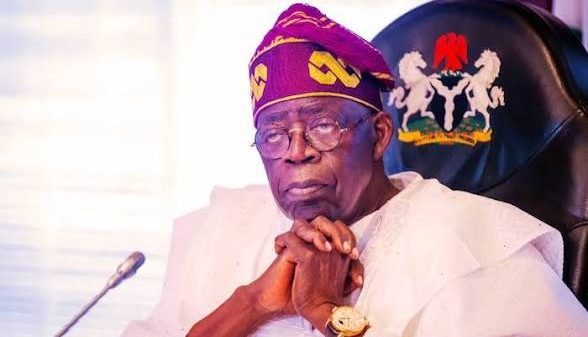








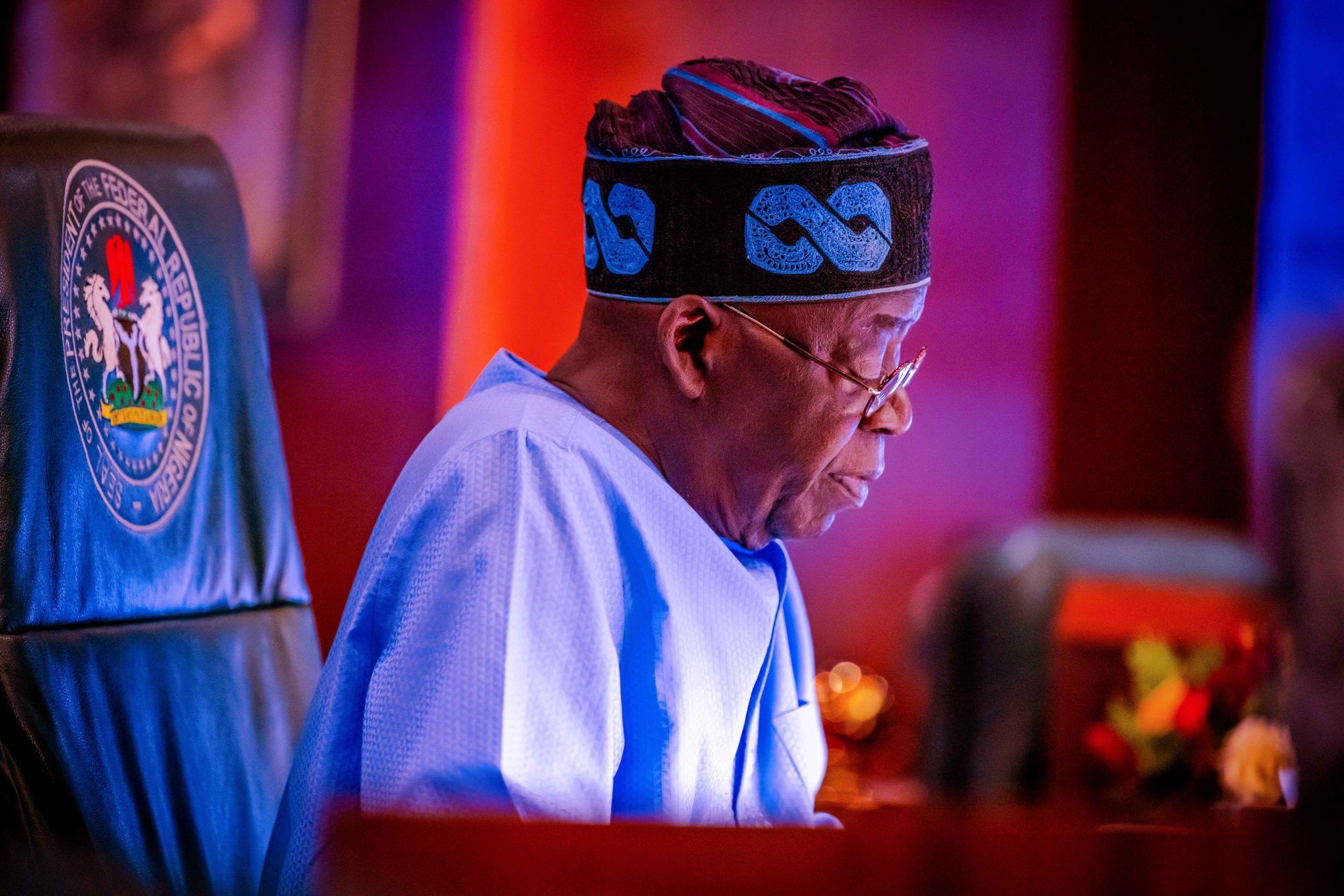
President Bola Ahmed Tinubu has restated his administration’s commitment to constitutional reforms, describing them as vital to strengthening institutions, advancing justice and safeguarding the rights of citizens.
Represented by the Secretary to the Government of the Federation, Senator George Akume, at the National Public Hearing on the Review of the 1999 Constitution in Abuja, the President called the exercise a golden opportunity to entrench good governance, inclusivity and sustainable development.
“The Constitution is the supreme law of the land. It is not static but a living document that must respond to the realities, aspirations and challenges of our people,” Tinubu said, noting that the review aligns with his administration’s Renewed Hope Agenda.
He commended the House of Representatives Committee on Constitution Review, led by Deputy Speaker Benjamin Kalu, for creating an inclusive platform that welcomes citizens, civil society, political parties, professional groups and traditional rulers. Tinubu urged Nigerians to contribute ideas with patriotism and responsibility, stressing that the quality of input would shape the nation’s institutions for generations.
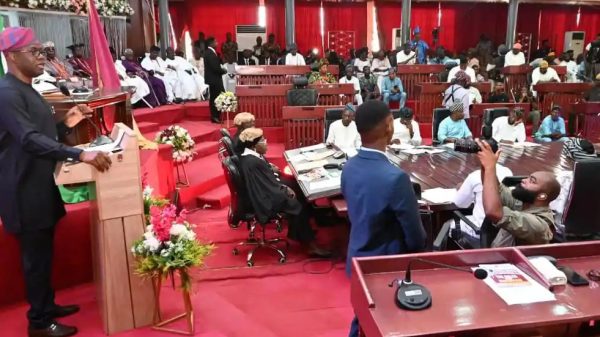
Speaker of the House, Hon. Abbas Tajudeen, described the public hearing as a landmark in Nigeria’s democratic journey and promised that the National Assembly would ensure the process is timely and effective. He highlighted proposals such as reserved seats for women in federal and state assemblies, guaranteed representation for persons with disabilities and gender quotas in ministerial positions. Advisory roles for traditional rulers in peacebuilding and community security were also on the table.
Deputy Speaker Kalu disclosed that 87 amendment bills were drawn from nationwide consultations, memoranda and regional hearings. Among the most significant are electoral reforms including independent candidacy, the creation of an Electoral Offences Commission and strict timelines for resolving disputes. Proposals on devolution of powers, state and community policing, and full local government autonomy were also part of the draft.
Kalu emphasised that these recommendations reflect the demands of citizens rather than legislative impositions. “The ultimate authority for this process resides with you, the people of Nigeria,” he said.
Both leaders pledged that the exercise would be transparent and shielded from political manipulation. They assured that a harmonised version of the proposals will be released before plenary voting.
Stakeholders from across civil society, labour, youth groups, women organisations, traditional rulers and the media were encouraged to remain fully engaged. If passed by at least 24 state assemblies, the country could experience its most sweeping constitutional changes since 1999, reshaping governance, security, inclusivity and democratic accountability for years to come.