























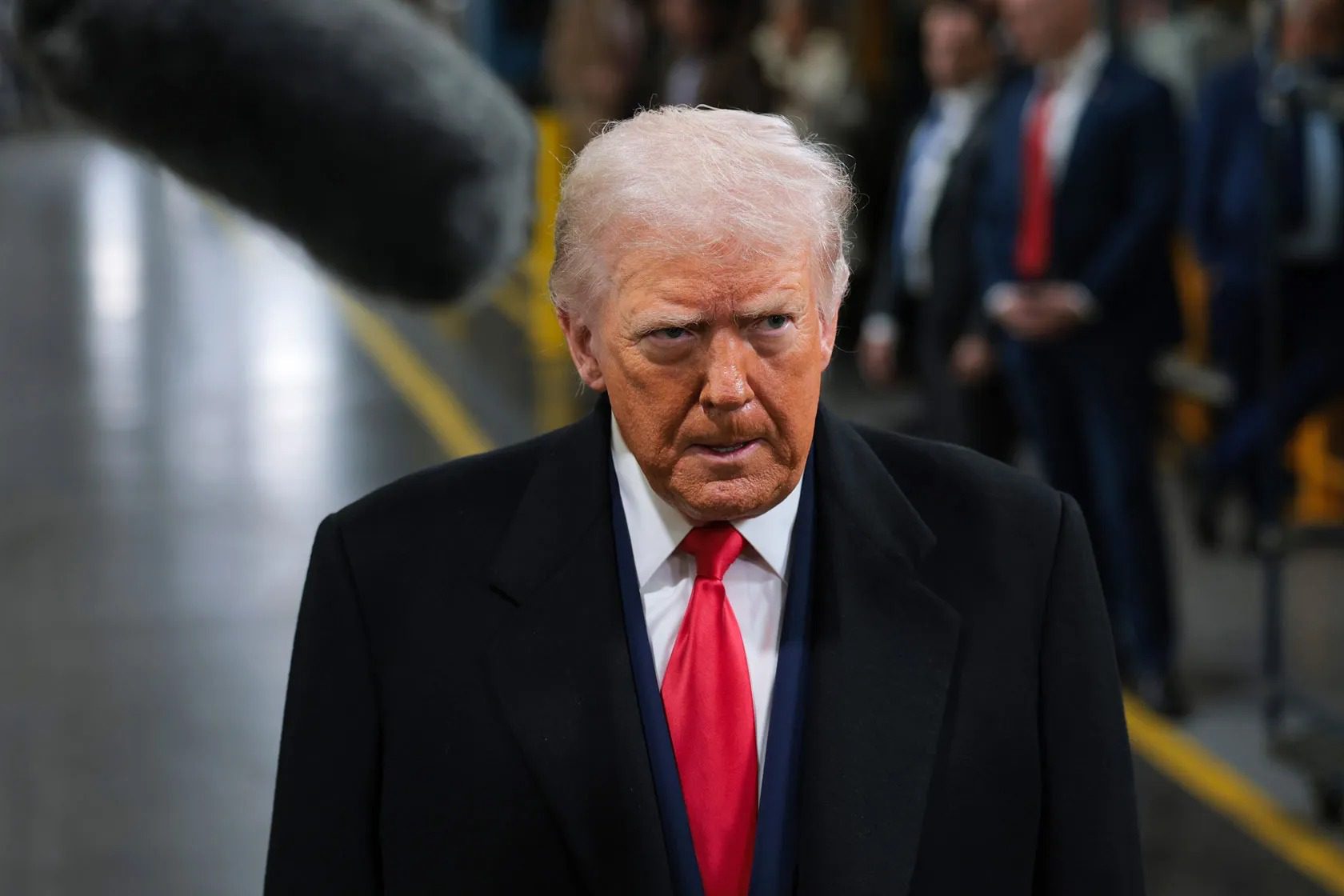
President Donald Trump has signalled that the ongoing U.S.-Israeli military campaign against Iran is approaching its final phase, but warned that the coming weeks could see some of the most forceful actions yet as Washington pushes to secure its objectives.
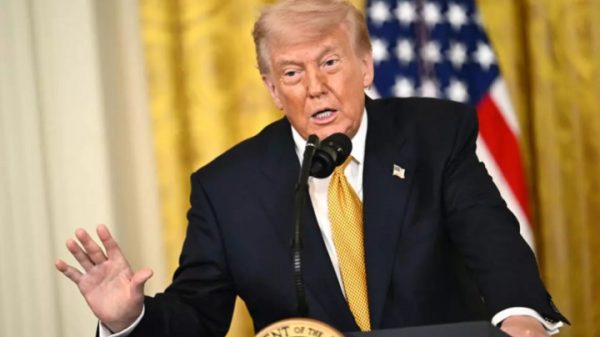
Speaking from the White House in his first national address since hostilities began on February 28, Trump sought to steady public confidence, stressing that progress on the battlefield has brought the operation close to completion. According to him, key military goals are within reach, although he made it clear that the pressure on Iran will not ease just yet.
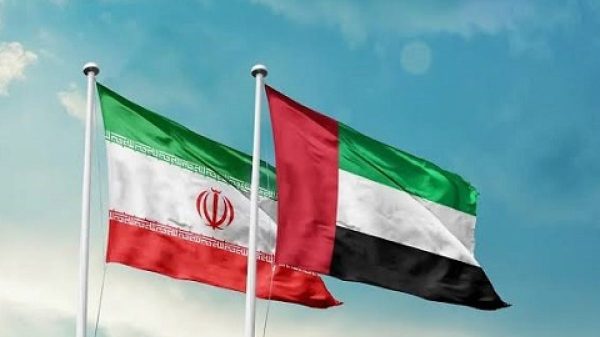
He cautioned that the United States is prepared to intensify its strikes over the next two to three weeks, describing the planned actions as decisive. At the same time, he reassured regional allies including Israel, Saudi Arabia, Qatar, the United Arab Emirates, Kuwait and Bahrain that Washington remains committed to their security despite ongoing attacks from Iran involving drones and missiles.
Trump also hinted at a possible diplomatic path, suggesting that Iran’s new leadership may be more open to engagement than before. While he left the door open for talks, he warned that failure to reach an agreement could lead to further escalation, including potential strikes on critical infrastructure such as power facilities.
Despite the remarks, global energy markets reacted with concern. Oil prices climbed sharply as tensions around the Strait of Hormuz deepened. The vital shipping route, which carries a significant share of the world’s oil supply, remains under threat as Iran’s Revolutionary Guards insist it will stay closed to what they describe as hostile forces.
Iran, however, dismissed Washington’s calls for a ceasefire, describing the demands as unrealistic. Through intermediaries, messages have reportedly been exchanged, but officials in Tehran maintain that no direct negotiations with the United States are taking place.
Earlier claims from Trump that Iran’s president had sought a truce were met with silence from Tehran, which continues to insist that any resolution must come on its own terms. Iran’s leadership has also pushed back publicly, with President Masoud Pezeshkian questioning whether the conflict truly serves American interests. In a message shared online, he accused Washington of escalating the crisis while stressing that ordinary Americans are not seen as enemies.
The situation on the ground remains tense. Iran launched another wave of missile and drone attacks targeting Israeli cities such as Tel Aviv and Eilat, as well as U.S. military installations across the Gulf. Air defence systems were activated as sirens rang out across parts of Israel, with reports confirming injuries from earlier strikes.
In Iran, explosions were reported in Tehran, alongside damage to key facilities in other regions. The country’s new supreme leader, Mojtaba Khamenei, condemned the actions of the United States and its allies, describing them as without regard for human or moral limits.
The conflict has also spread beyond the immediate frontlines. In Lebanon, fresh strikes around Beirut led to multiple casualties, while tensions involving Hezbollah continue to escalate. Across the Gulf region, incidents linked to the fighting have triggered fires, damage to infrastructure and civilian casualties, underscoring how far-reaching the crisis has become.
As both sides hold firm, the coming weeks are shaping up to be critical, with the risk of further escalation still hanging over the region.