

























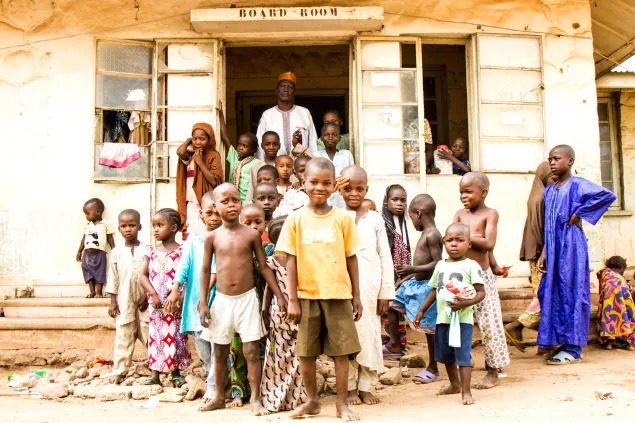
The reality of almajiranci in Northern Nigeria has long ceased to be about culture or spiritual growth. Today, it has become a system of organized neglect, often disguised as heritage. We see children pushed out of their homes under the guise of religious learning, only to find them begging at traffic lights and sleeping in cramped, unsafe quarters. This isn’t an education; it is abandonment, and the North cannot hope to rise while its foundations are built on broken childhoods.
There is a quiet consensus among everyday people in the region that this system is a blatant abuse of child rights. Parents whisper about it, teachers acknowledge it in low tones, and even clerics admit the flaws in private. Yet, as noted by Reports, the silence from those with the actual power to change things is deafening. Northern governors frequently gather at summits to condemn the practice with strong words and lofty promises, but year after year, the streets remain filled with children who belong in classrooms.
The ulamas, who wield immense moral influence, rarely challenge the status quo with the boldness required. Meanwhile, many lawmakers seem far more preoccupied with political survival and government contracts than with criminalizing the exploitation of young boys. In Kano, children under ten walk for miles on empty stomachs to collect alms before their lessons even begin. In states like Sokoto and Katsina, there are heartbreaking reports of young boys fainting from exhaustion under the scorching sun. This suffering isn’t just a statistic; it is a daily reality documented in hospitals and felt in the tears of mothers who feel powerless to intervene.
Despite the bleak outlook, a few states are proving that change is possible. Kaduna has made strides by integrating Quranic schools into the formal state education system, ensuring students receive meals and structured lessons. Similarly, Jigawa has begun monitoring the welfare of these children, insisting on basic standards for housing and food. These examples show that the problem isn’t lack of a solution, but a lack of leadership willing to prioritize children over political or traditional convenience.
The crisis extends into the public primary school system as well. Across the North, many children who aren’t on the streets are sitting in overcrowded classrooms with broken furniture and absent teachers. They move through the grades without ever truly learning how to read, solve basic math, or understand science. Only those from wealthy families can afford the private education necessary to compete in the modern world. This creates a dangerous cycle: a child who grows up hungry and ignored does not magically become a productive adult. This is where insecurity finds its roots and where poverty tightens its grip.
This isn’t just a regional issue; it is a national emergency. No country can move forward when a massive portion of its youth is left behind. Development becomes nothing more than a hollow slogan if the next generation isn’t protected and nurtured. We have to stop pretending that the solution is complicated. It requires the courage to invest heavily in basic education and the will to enforce laws against child exploitation.
Eventually, we will have to answer for what we allowed to happen—not to international agencies, but to the children themselves. The boys on the streets of Kano, Kaduna, and beyond did not choose this life; it was forced upon them by a system that looked the other way. If we are serious about the future of the North, we must act now. History is rarely kind to those who saw a tragedy unfolding and chose to do nothing. Every child deserves a desk, a meal, and a genuine chance to be more than just a survivor.