





















Cameroon’s long-serving president, Paul Biya, is widely expected to extend his more than four-decade rule as the nation heads to the polls this Sunday. The 92-year-old leader, already the world’s oldest head of state, is seeking an eighth term in office amid deep public fatigue, economic hardship, and growing doubts about his health.
Despite a crowded field of 11 opposition candidates, Biya remains the clear favourite. His challengers are divided, underfunded, and weakened by court decisions that disqualified several prominent contenders, including Maurice Kamto, who finished second in the 2018 election. Many voters say the contest offers little hope for change.
In Douala, Theophile, a 24-year-old artist, dismissed the election as a “scam,” saying the system remains rigged in favour of the ruling elite. But others, like Giovanni, a university student, believe Biya’s long experience still counts for something, calling him “a wise man with a wealth of experience.”
The veteran leader, who rarely appears in public, sparked fresh speculation about his health after travelling to Switzerland earlier this month. He resurfaced on Tuesday for a brief campaign rally in Maroua, a key battleground in the country’s Far North region. “My determination to serve you remains intact,” Biya declared to a modest crowd of supporters.
Since taking power in 1982 following Ahmadou Ahidjo’s sudden resignation, Biya has held a tight grip on Cameroon through a mix of patronage, political alliances, and repression. His electoral victories have often been marred by allegations of fraud — including 93 percent of the vote in 1997, 78 percent in 2011, and 71 percent in 2018.
Critics argue that the coming vote will only reinforce the status quo. Analysts describe the process as “an electoral charade,” pointing to Biya’s near-total control of state institutions and the absence of meaningful reforms.
Meanwhile, ordinary Cameroonians continue to grapple with rising living costs, poor infrastructure, and widespread unemployment. “I keep hoping for a better Cameroon where young people can find work,” said Boris, a computer engineer in Buea.
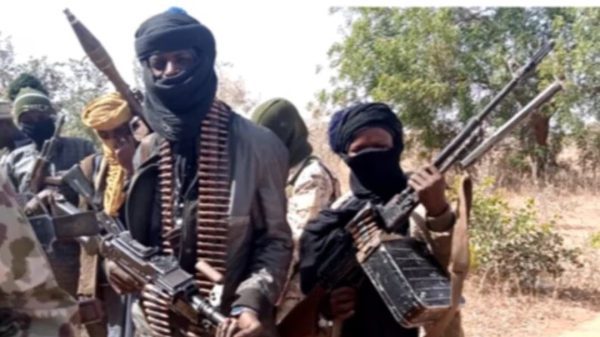
The election also takes place amid ongoing violence in the country’s English-speaking regions, where separatist groups continue to battle government forces. Voter turnout in these areas is expected to remain low, reflecting both fear and disillusionment after years of conflict.
As Cameroonians prepare to cast their ballots, the question is not whether Biya will win — but what another term for Africa’s oldest ruler means for a country still yearning for renewal.