

























Nigeria’s power sector is on the verge of a major crisis as the National Union of Electricity Employees (NUEE) has begun mobilizing its members for a nationwide strike. This development follows the expiration of a 21-day ultimatum previously issued to the Federal Government, which lapsed without any meaningful resolution of the workers’ grievances.
The union had officially notified the Minister of Power of its intentions in a letter dated January 26, 2026. In that notice, the leadership accused employers within the sector—specifically the Generation Companies (GENCOs) and Distribution Companies (DISCOs)—of systemic anti-labour practices. Among the core complaints are wage violations and the blatant failure to remit deducted taxes and pension contributions to the appropriate authorities.
Internal friction within the government appears to have stalled any potential peace talks. While the Minister of Labour and Employment attempted to intervene two weeks ago by scheduling a meeting, the Minister of Power reportedly insisted on handling the matter personally. Unfortunately, union sources claim that no such meeting has been convened by the Power Ministry since then, with some alleging that political engagements have taken precedence over the brewing industrial unrest.
The frustration among the workforce is palpable. Acting General Secretary of the NUEE, Igwebike Dominic, pointed out that conditions for workers have worsened significantly over the twelve years following the privatization of the power sector. The union is particularly aggrieved by the refusal of employers to implement the 2025 National Minimum Wage Act and its consequential adjustments, as well as the lack of updated conditions of service.
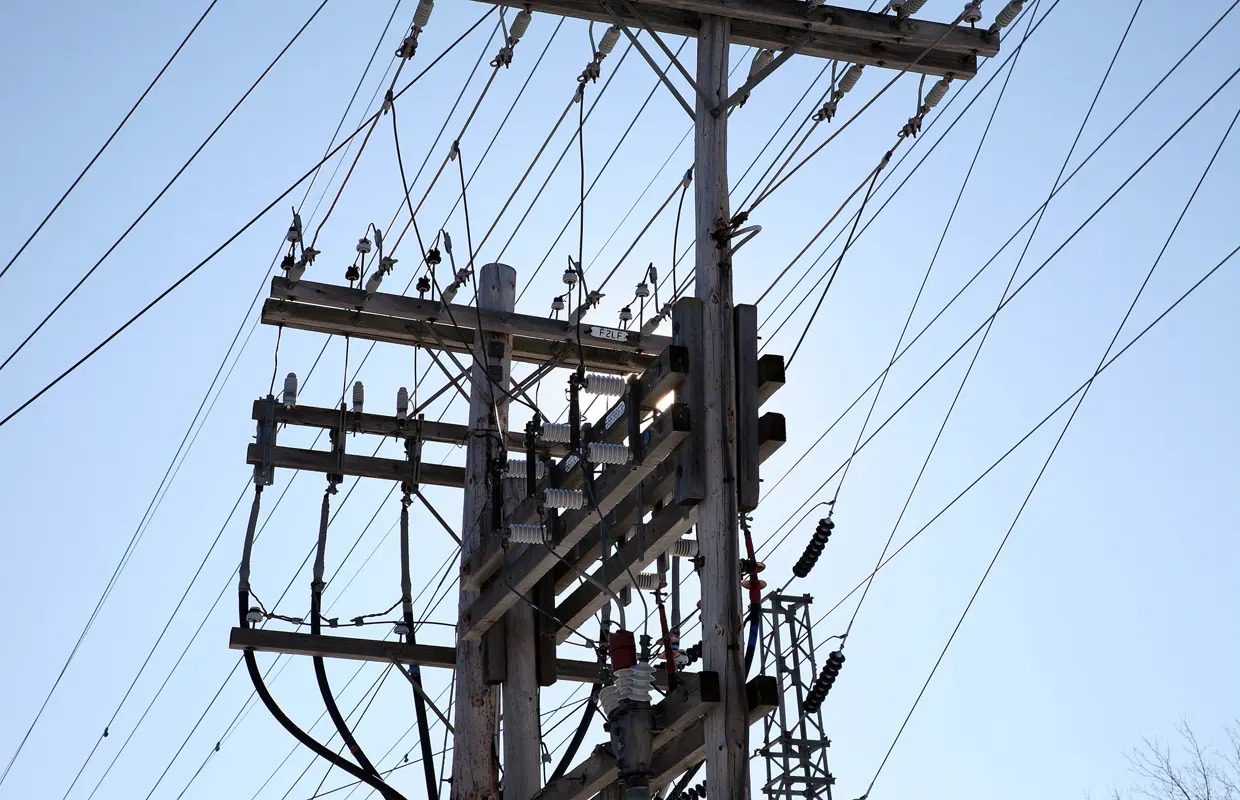
The union has made its stance clear, warning that it will not hesitate to take legitimate industrial action to protect its members’ interests. Mobilization is currently in top gear across power stations and distribution networks. If a middle ground is not reached within the next few days, the resulting strike could shut down the national grid, leaving businesses and households in total darkness.
Industry experts are already sounding the alarm, noting that the Nigerian economy, which is already struggling with energy instability, cannot afford a total collapse of the power supply. The ball is now firmly in the government’s court to initiate a dialogue that could prevent a complete blackout across the federation.