

































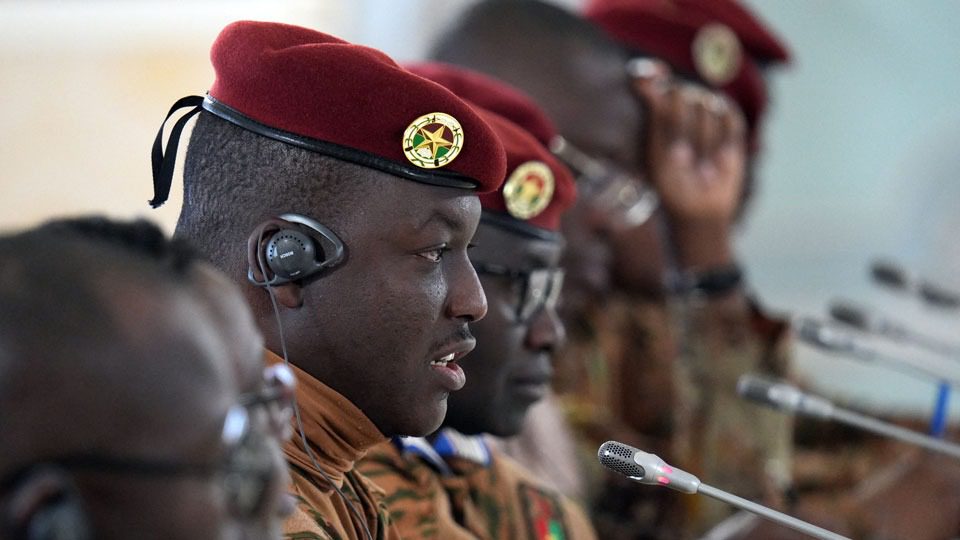
Burkina Faso’s military-led government has passed a new law criminalising same-sex relationships, joining a wave of African countries tightening legal restrictions on homosexuality.
Adopted on September 1 by the transitional parliament, which consists of 71 unelected members, the law imposes prison sentences ranging from two to five years, alongside fines. Justice Minister Edasso Rodrigue Bayala announced the legislation on state media, framing it as part of wider reforms to family and citizenship laws.
“The law provides prison sentences of two to five years, along with fines,” Bayala said. He added that anyone suspected of engaging in homosexual acts or what he described as “bizarre behaviour” would face prosecution. Foreign nationals convicted under the law would also be subject to deportation.
The legislation follows a draft family code introduced by the junta nearly a year ago, which contained provisions against same-sex relations. Until this measure, Burkina Faso was one of just 22 African nations that did not criminalise homosexuality.
Similar moves have emerged across the Sahel region. Mali, also under military rule, passed comparable legislation last year. Nigeria has enforced strict restrictions since 2014 under the Same-Sex Marriage (Prohibition) Act, which carries up to 14 years in prison for homosexual unions and criminalises public displays of same-sex relationships. Uganda went further in 2024, introducing laws that make “aggravated homosexuality” a capital offence and prescribing life sentences for consensual same-sex acts, prompting international backlash, including loan suspensions from the World Bank and trade sanctions from the United States.
Even in Ghana, parliament approved a bill earlier this year imposing prison terms of up to three years for identifying as LGBTQ+. Former President Nana Akufo-Addo, however, refused to sign it, citing the need for a judicial review of its constitutionality.
Burkina Faso’s move reflects a growing trend among African governments to defend traditional values through stricter legislation, even as international human rights organisations raise alarms over the criminalisation of same-sex relationships across the continent.