


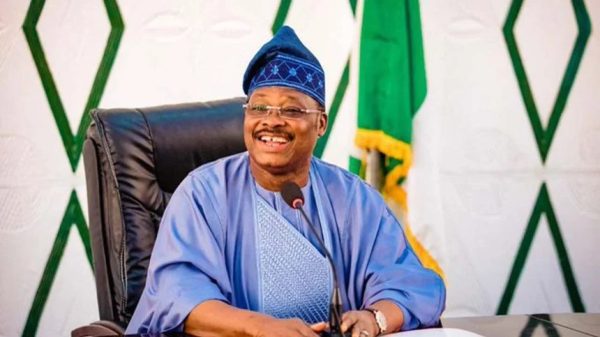























Since losing influence in the political arena, former Kaduna State Governor, Mallam Nasir El-Rufa’i, has been making headlines with increasingly provocative actions. From spreading unverified claims that both the federal and Kaduna state governments are paying bandits to prevent attacks, to appearing in church garb alongside political allies like Mr. Peter Obi, his recent antics have drawn attention and criticism alike.
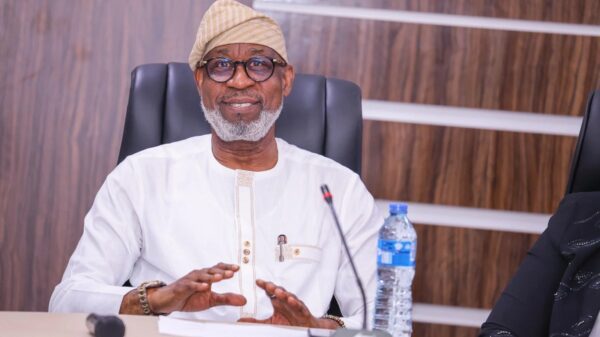
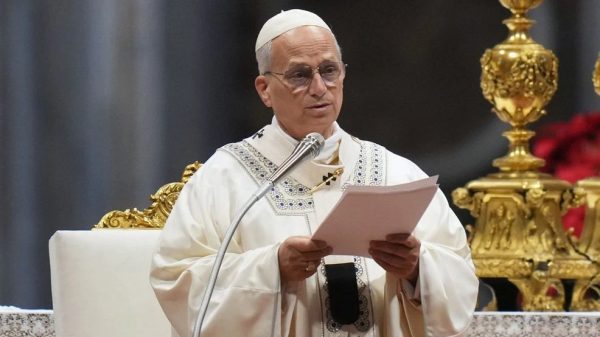
Clad in a white suit with a near-priestly collar, El-Rufa’i projected the image of a man of God. Yet, for those aware of his history of divisive politics and religious bias, the appearance felt more theatrical than sincere. Observers have noted, “El-Rufa’i didn’t just attend church in Owerri; he dressed like a full-time pastor whose ultimate ambition seems directed at Aso Rock rather than spiritual calling.” His public transformation underscores a pattern of performance over substance.
The former governor has also drawn attention for his complaints regarding lawful police invitations, even petitioning the police service commission over the matter. This is ironic considering his own record while in office. In October 2016, Dr. John Dan Fulani, a lecturer and public commentator at Kaduna State University, was detained for 13 days over a critical Facebook post. A local journalist faced a similar fate for reporting on El-Rufa’i’s assets. Other media professionals, including Luka Binniyat and rights activist Gloria Ballason, were subjected to harassment and suppression, demonstrating a history of silencing dissenting voices.
El-Rufa’i’s claims about democratic rights and equitable governance ring hollow when juxtaposed with his actions while in office. In 2016, he admitted to paying killer herdsmen to stop attacks on Kaduna communities, diverting state resources toward compensating perpetrators instead of addressing the root causes of insecurity. His own words then revealed a disturbing approach to governance:
“We got a group of people that were going around trying to trace some of these attackers to tell them there is a new governor, Fulani like them, who is willing to pay compensations and begging them to stop killing. In most communities, the appeal worked, but some asked for monetary compensation for cattle. We paid some.”
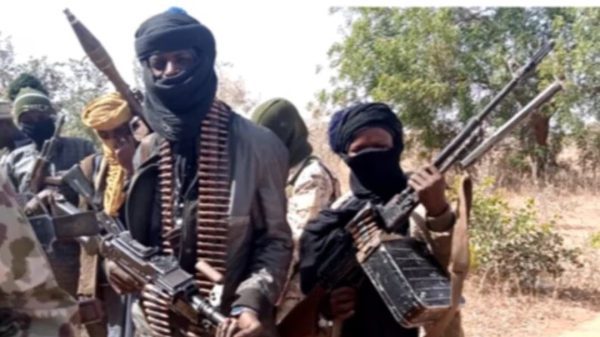
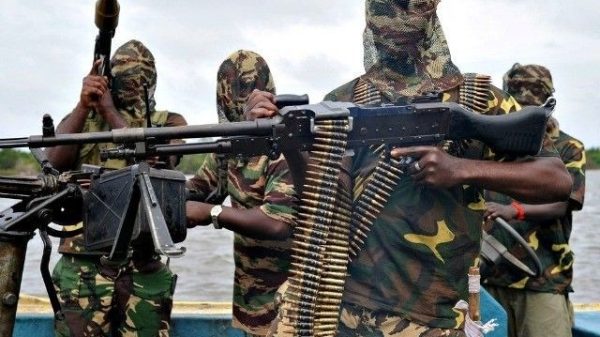
Now out of office, El-Rufa’i seems unable to reconcile that the current administration is handling banditry differently, opting for decisive security operations rather than negotiations. His politicization of military sacrifices undermines the bravery of Nigerian soldiers who continue to engage in counter-offensives against bandits. In June this year, coordinated attacks on military bases in Kaduna and Niger states were met with swift responses, resulting in the deaths of several bandits. Similar operations in Kurmin-Kare and other locations further demonstrate the government’s ongoing efforts to restore security.
Even the notorious bandit commander Kachalla Sharme was neutralized by security forces in September 2024, alongside four other criminals, with 20 hostages rescued in Kaduna. These are concrete results of the Office of the National Security Adviser, the military, and state governments, yet El-Rufa’i persists in spreading unfounded narratives about government complicity.
Over the past two years, countless victims of banditry across the North West and East have been reunited with their families following coordinated military campaigns. The former governor’s attempts to politicize these successes reflect a troubling disregard for national security and public welfare.
Despite El-Rufa’i’s alarmist statements, Nigerians remain confident that the National Security Adviser, Mallam Nuhu Ribadu, will continue to lead the fight against banditry and terrorism effectively, ensuring that the nation’s hard-won security gains are preserved.