









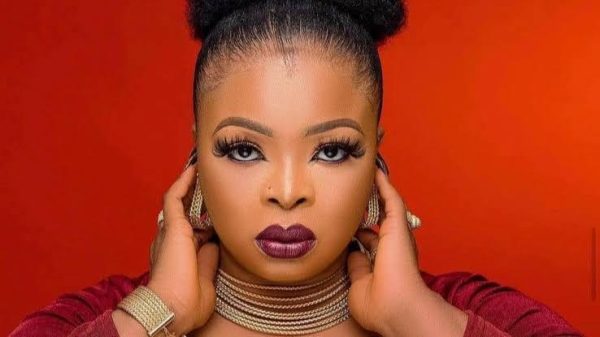







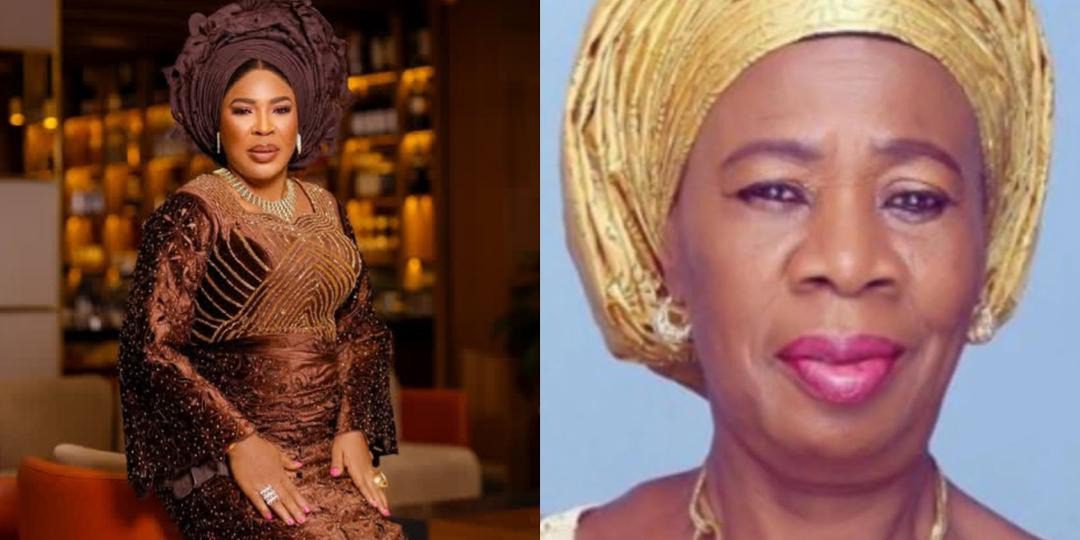
Faithia Williams is carrying grief in public this week, and she’s doing it with a camera crew waiting in the wings. Her mother passed just days ago, on the eve of what would have been her 55th birthday celebration, and the actress has not even buried her yet. Still, she stepped back into promoting her movie, posting pictures of herself dressed like a warlord and writing that every morning feels heavy, that condolences pile up and the quiet moments hit hardest when grief decides to sit on her chest.
She could have disappeared for a while. She says as much herself. But instead she chose to rise—for her mother, for the legacy she wants to leave, for the story she’s about to put on screen. The Yoruba star admits she’s grieving, that the noise feels too loud and the lights too bright, but somewhere in the middle of it she heard purpose louder than sorrow.
That purpose has a name now: EFUNROYE: THE UNICORN. It’s Faithia’s first cinema debut, a project she describes as years in the making, a dream fought for and a legacy she intends to honour. The film reaches into Lagos history, before the city became an empire, before palace negotiations, to tell the story of Efunroye the merchant, legend and kingmaker they called the Unicorn. It arrives in cinemas nationwide on 1 May 2026. When people see her pushing it, she wants them to understand it isn’t publicity for its own sake. It’s a daughter working through heartbreak, trying to keep a promise to herself and to her mother.
Reports mentioned the loss last week, noting that Faithia had called her mother her cheerleader, prayer warrior, best friend and gist partner. The reality, she wrote, has not fully sunk in. A video shared by Regina Chukwu caught the exact moment she received the news—Faithia on the phone, tears breaking through, colleagues holding her up. Days later she posted a darkened image with the words that her world feels broken, and then a clip of her mother’s birthday prayer, remembering it had already been eight days since they last spoke. “Still shattered. Still broken,” she wrote.
This is not her first loss in recent years. In April 2024 she announced her father’s death on Instagram, laid him to rest according to Islamic rites a week later, and thanked colleagues who attended. Saidi Balogun, her former husband, was there too, captured on video spraying money in a gesture of support. That same year Saidi lost a daughter of his own, a sorrow they shared as ex-partners but still connected by family history.
Faithia’s words make no grand claims about healing. She’s grieving, she’s hurting, and yet she’s standing. Because life, she says, does not pause, and sometimes strength shows up when it’s least expected.