






























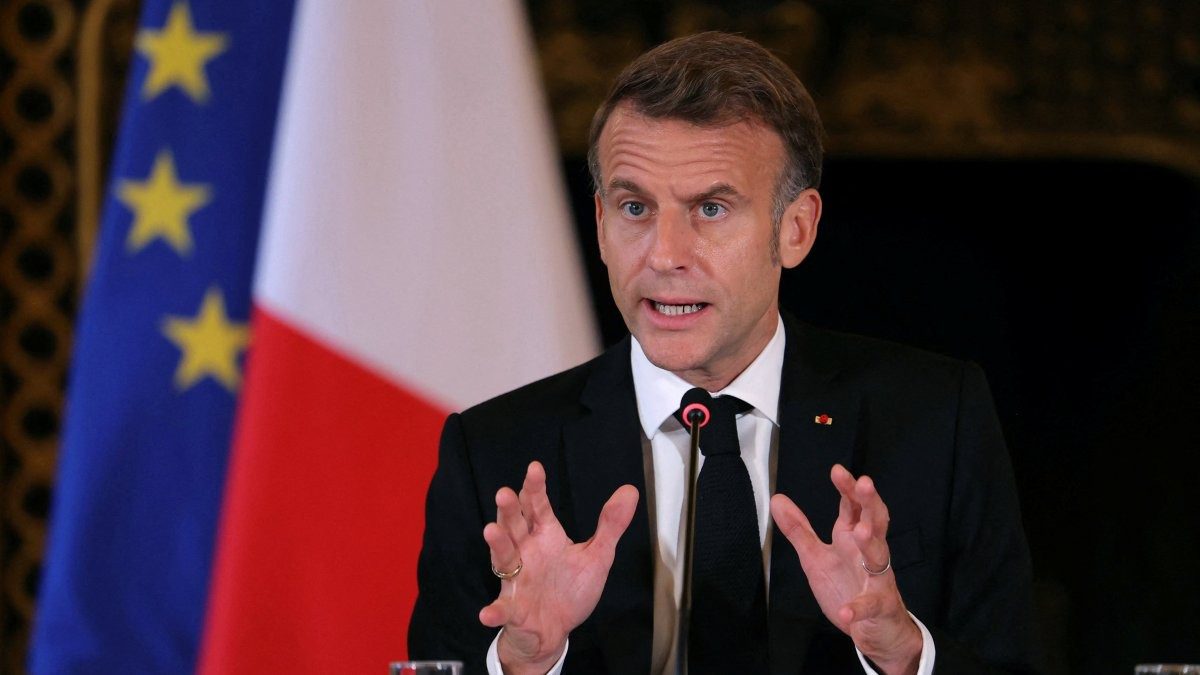
France’s President Emmanuel Macron has revealed a reshuffled government lineup, hoping to pull the country back from the edge of a deepening political storm. After days of tense negotiations and high-level talks, the president finally approved a new cabinet aimed at stabilizing France’s fragile parliament and securing passage of a long-delayed austerity budget.
Prime Minister Sebastien Lecornu, facing mounting pressure after months of legislative deadlock, described the team as “mission-driven” — a cabinet formed with one goal: to deliver a national budget before year’s end. The government must submit the 2026 draft plan by Tuesday, meeting the constitutional deadline that allows parliament 70 days to review and debate the proposal.
But the new team steps into treacherous waters. Lecornu’s last two predecessors were ousted over unpopular cost-cutting measures, and many lawmakers are already signaling they’ll challenge his leadership. Despite the skepticism, the government list released by the presidential office shows a strategic mix of continuity and fresh energy. Jean-Noel Barrot retains his role as foreign minister, while former labor minister Catherine Vautrin moves to head defense. Roland Lescure, a close Macron ally, takes charge of the economy — a role that will determine whether this government can survive its first major test.
France’s political landscape has been volatile since Macron’s gamble on snap elections backfired, leaving him with a fractured parliament and emboldened far-right opposition. Lecornu’s first attempt to form a government in September ended in disaster — his cabinet collapsed within a day after critics slammed the lack of new faces. Macron’s decision to reappoint him late last week sparked outrage from across the political divide, with rivals promising to bring down his government at the earliest opportunity.
The revamped cabinet features Paris police chief Laurent Nunez as interior minister, replacing Bruno Retailleau, whose conservative Republicans refused to join the new administration. Environmental expert Monique Barbut, formerly of the World Wide Fund for Nature, now leads the environment ministry. Justice Minister Gerald Darmanin keeps his post, as does Culture Minister Rachida Dati, who faces corruption charges in an upcoming trial.
While Macron has remained largely silent since the collapse of Lecornu’s first cabinet, he is expected to leave for Egypt on Monday to discuss an emerging Gaza ceasefire plan backed by the United States — a move that could delay the budget’s rollout.
Lecornu insists his government will work “across party lines,” yet the road ahead looks rough. The Socialists have threatened to move against him unless he reverses Macron’s controversial pension reform that raised the retirement age to 64. The Republicans, once reliable allies, say they’ll only support policies “bill by bill.” And the far-right National Rally, now the largest party in parliament, is gearing up to vote down any proposal tied to Lecornu’s leadership.
For Macron, this new government may be his last shot at restoring order — or the opening act of another chapter in France’s unfolding political crisis.
— Zoyols Blog