





































A popular Yoruba adage says, “Oun a ni l’angbe l’aruge,” which reminds us to value and elevate what is truly ours. Just a few years ago, the trend was quite different; Nigerians at home and abroad held a deep fascination for foreign-made clothing and accessories, often overlooking the quality of home-grown products. Today, however, that narrative has shifted significantly.
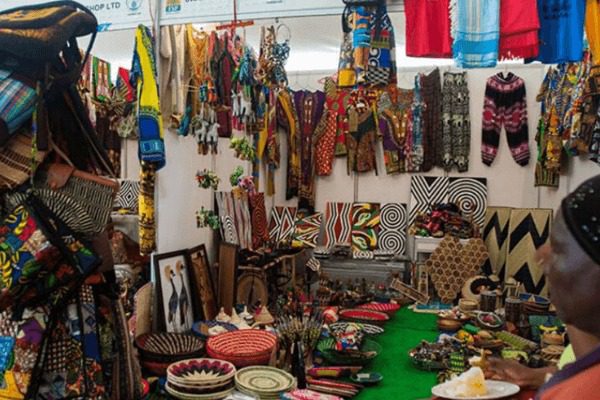
Observations made by Reports reveal a growing trend of Nigerians living in the diaspora who now look toward their home country for fashion and lifestyle needs. From shoes and bags to tailor-made outfits, many are placing orders in Nigeria and having them shipped to their various locations across Europe, America, and beyond. This change isn’t just about a newfound love for heritage; it is heavily driven by the rising cost of living abroad.
Mrs. Chiwendu Osarodion, a Nigerian residing overseas, shared that the price difference is simply too large to ignore. She noted that a single pair of jeans in her resident country can cost as much as £150. In contrast, she can secure three or four high-quality pairs in Nigeria for the same amount. For her, ordering from Nigerian merchants has become a practical way to manage her finances without compromising on style.
This shift has also been a boon for local business owners. Mrs. Helen Tudunola, who runs a boutique, admitted her initial surprise when she started receiving orders from customers in the United Kingdom and the United States. She recalled how she once assumed that Nigerians moving abroad would strictly shop from international luxury brands. Now, she spends much of her time coordinating waybills to ensure her jewelry, clothes, and bags reach her international clientele safely.
The reality of life abroad involves more than just earning in stronger currencies; it also involves managing “bogus bills” and financial responsibilities both in their new countries and back home. Mr. Goodnews Lawrence explained that the days of reckless spending are largely over. He mentioned that while he buys heavy winter gear like jackets and boots locally, almost everything else—including his perfumes and everyday clothing—comes from Nigeria. He noted that even his female friends regularly order African foodstuffs to be shipped over, provided their host countries’ regulations allow it.
The process has also created a niche for “errand services” and logistics. Mrs. Shade Okunloye, another Nigerian in the diaspora, employs a trusted person back home to shop for everything from hair extensions to food items. While she noted that finding a reliable logistics company can be a challenge due to the risk of theft or mismanagement, the convenience and cost-effectiveness of shopping from Nigeria far outweigh the expense of high-street shopping abroad.