































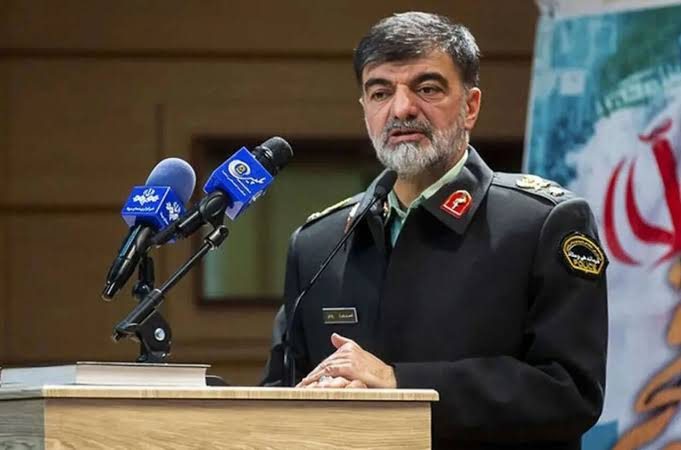
Iranian authorities have issued a stark warning as tensions in the Middle East reach a boiling point, signaling that any domestic unrest will be met with the same force reserved for foreign combatants. The country’s top police officer, Ahmad-Reza Radan, delivered a blunt message on state television, stating that individuals who take to the streets in alignment with the interests of Tehran’s perceived enemies will no longer be classified as protesters.
Radan made it clear that such individuals will be treated as enemies, with security forces prepared to act decisively. He emphasized that the authorities have their hands on the trigger, fully primed to defend the current political order against any internal challenge. This rhetoric reflects a regime increasingly turning inward, viewing public dissent not as a matter of civil expression, but as a severe national security threat during an ongoing conflict.
This warning follows a period of heavy state pressure. Earlier this year, the government launched a major crackdown on protests that were initially ignited by widespread economic hardship. While the state has dismissed these demonstrations as “riots” fueled by foreign “terrorist acts,” the human toll has been substantial. Reports notes that while official government figures acknowledge over 3,000 deaths—including security personnel and bystanders—independent monitoring groups such as the Human Rights Activists News Agency have recorded significantly higher casualties, with estimates exceeding 7,000 deaths and 50,000 arrests.
The current situation is exacerbated by the broader regional war. Following initial U.S. warnings and a major military campaign launched on February 28, the country has been locked in retaliatory exchanges with both Israel and U.S. forces positioned across the Gulf. As these international hostilities persist, the Iranian leadership is clearly signaling that it will tolerate no disruption at home, effectively placing the population between the threat of external bombardment and a highly militarized internal crackdown.