


























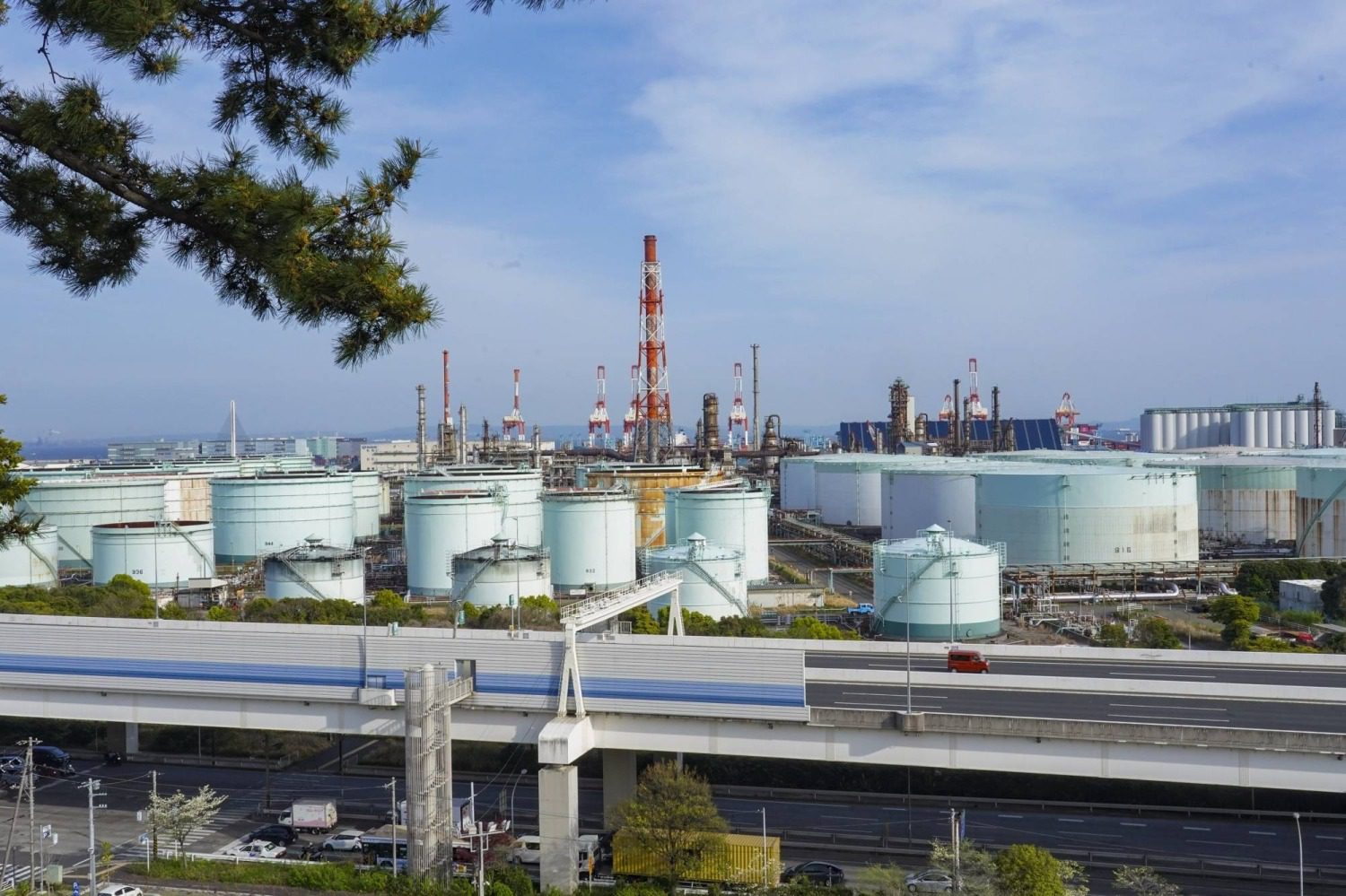
Japan has begun releasing part of its strategic oil reserves as global energy markets react to rising tensions in the Middle East. The move follows guidance from the International Energy Agency, which earlier signaled that the first wave of emergency stock releases would start in the Asia and Oceania region before expanding to other parts of the world.
According to information published in the country’s official government gazette on Monday, the level of oil reserves in Japan is now being reduced. The notice requires operators managing the nation’s petroleum stockpiles to begin releasing part of their reserves to comply with the new directive. Reports monitored by Zoyols suggest that several local media outlets in Japan see the announcement as a clear indication that the release process has already begun.
The decision comes after members of the International Energy Agency reached an agreement on March 11 to draw from emergency oil reserves in an effort to calm the sharp rise in global oil prices triggered by the conflict in the Middle East. The coordinated action is described as the largest response of its kind ever carried out by the agency.
Japan remains heavily reliant on energy supplies from the Middle East, with roughly 95 percent of its oil imports coming from the region. This dependence has made the country particularly sensitive to disruptions in supply or sudden price increases.
Government spokesperson Minoru Kihara confirmed on Monday that Japan plans to release petroleum reserves held by the private sector equivalent to about 15 days of supply. Authorities had earlier indicated that privately held reserves would be used first before tapping into government-controlled stockpiles.
Japan maintains one of the largest strategic oil reserves in the world. As of December, the country’s total stockpile stood at more than 400 million barrels, an amount capable of covering around 254 days of domestic consumption.
Economy, Trade and Industry Minister Ryosei Akazawa had previously stated that privately held reserves would be the first to enter the market as part of the response plan. In addition, Sanae Takaichi said last week that the government was also preparing to release reserves equivalent to one month of national supply if necessary.
Globally, the International Energy Agency has outlined a plan to release a combined 271.7 million barrels of government-managed oil reserves. The agency explained that member countries in Asia and Oceania would begin making their stocks available immediately, while those in the Americas and Europe are expected to follow from the end of March.
The coordinated release is intended to stabilize energy markets and reduce pressure on oil prices as the conflict in the Middle East continues to create uncertainty over global supply.