
















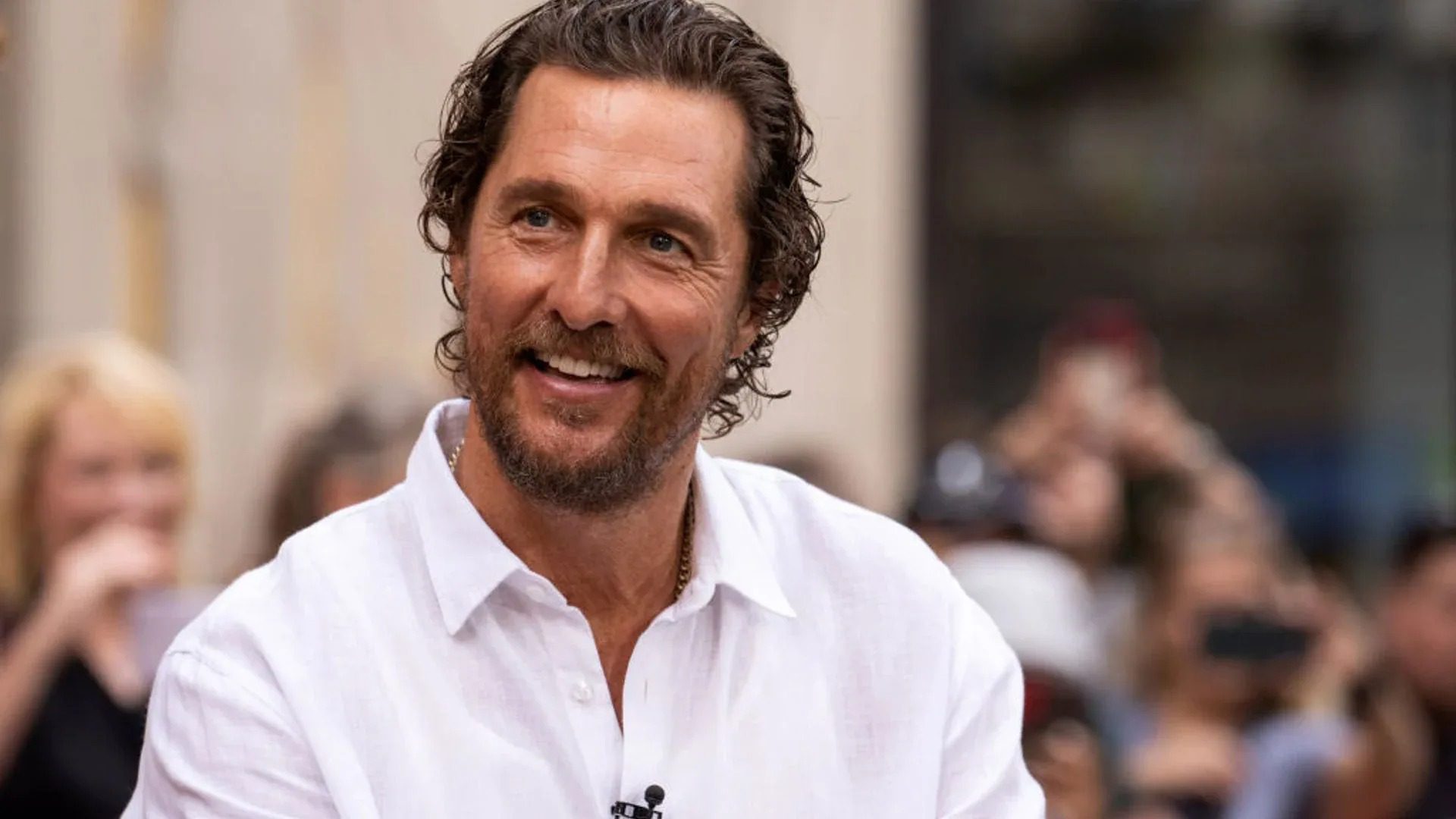
Matthew McConaughey has taken a proactive step to safeguard his identity in the rapidly evolving world of artificial intelligence. The Hollywood actor has officially filed recordings of his image and voice with U.S. patent authorities, aiming to prevent their unauthorised use by AI-driven platforms, according to a statement released on Wednesday.
Records from the United States Patent and Trademark Office show that several video and audio materials were registered through the commercial arm of the Just Keep Livin Foundation, the non-profit organisation founded by the Oscar-winning actor and his wife, Camila. The move reflects growing concern among creatives over how generative AI tools can replicate faces, voices and performances without consent.
As AI technology continues to advance, artists across the entertainment industry are becoming increasingly uneasy about how easily their likeness can be reproduced and distributed. While some U.S. states have introduced laws to curb harmful AI practices and deepfakes, many of these measures focus mainly on extreme misuse or commercial exploitation, leaving wider creative protections unclear.
Only a handful of laws go further in addressing these fears directly. One example is Tennessee’s ELVIS Act, passed in 2024, which offers specific safeguards against AI-generated impersonation of artists. In the absence of broader federal protections, some high-profile figures have turned to the courts to defend their rights. Actress Scarlett Johansson notably filed a lawsuit in 2023 after an AI app allegedly used her likeness without permission in an advertisement.
McConaughey’s strategy stands out because it seeks to establish ownership and control before potential abuse occurs. Rather than reacting after the fact, he is laying legal groundwork to protect his digital identity in advance.
Despite these concerns, the actor is not opposed to artificial intelligence itself. He holds a stake in ElevenLabs, an AI voice technology company that has developed an authorised AI-generated version of his voice with his consent, highlighting his support for ethical and collaborative uses of the technology.
His attorney, Kevin Yorn, explained that the filings are meant to ensure that clients receive protections similar to those enjoyed by their business ventures. He added that the goal is also to allow artists to fairly benefit from any value created when new technologies make use of their voice or likeness.
As debates around AI, creativity and ownership continue to intensify, McConaughey’s move signals a growing shift among public figures toward taking control of how their identities are used in the digital age, a development Zoyols Blog will continue to follow closely.