






































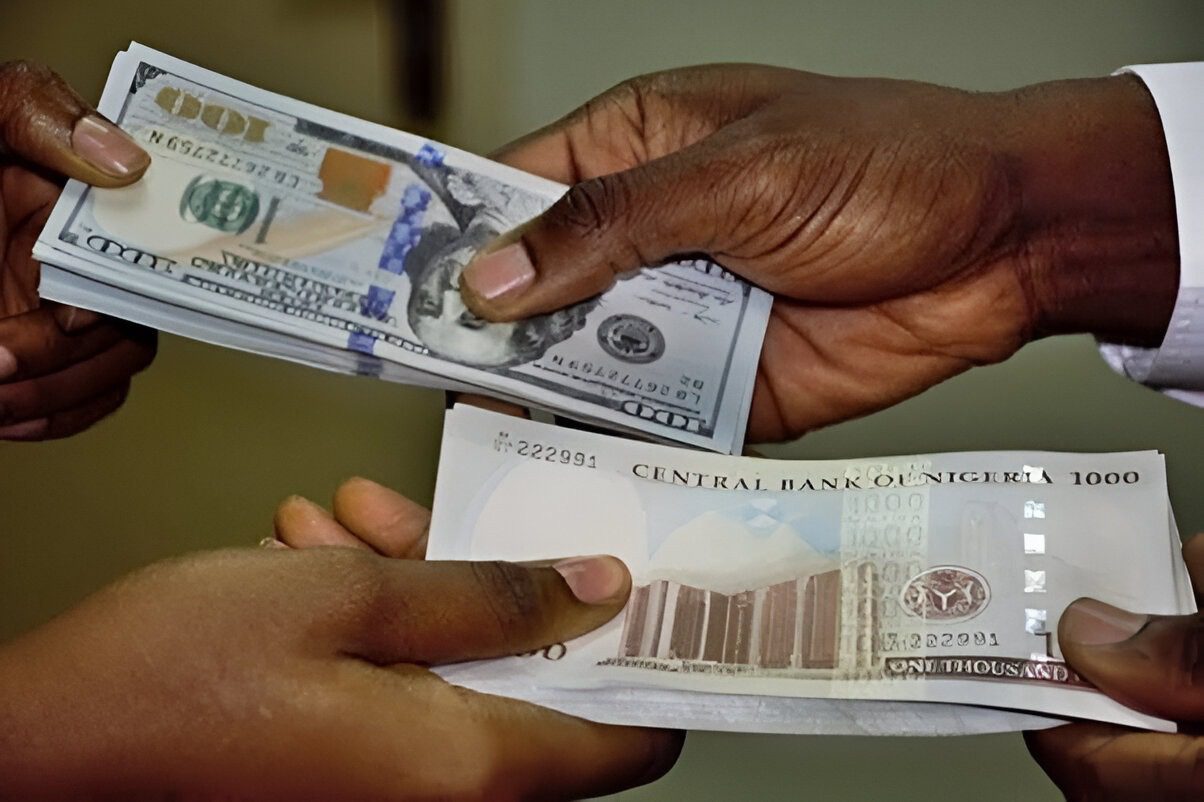
The Nigerian Naira has started this Tuesday, March 10, 2026, in a stable but watchful position against the US Dollar. Data flowing in from the Nigerian Foreign Exchange Market and various informal channels suggest that the local currency is holding its own, successfully absorbing the usual uptick in corporate demand that tends to kick off the week. This resilience is being bolstered by healthy liquidity levels and what is being reported as a thirteen-year high in the country’s foreign reserves.
In the official trading window, the Naira opened at 1,398.24 per dollar. While early morning activity saw the rate push to a high of 1,398.82, the currency managed to regain some footing as the session progressed. By mid-morning, it had appreciated to 1,396.24 per dollar, reflecting a scenario where supply from the central bank and authorized dealers is effectively keeping pace with demand. Reports observes that this phase of consolidation follows the close of last week’s trading, with dealers noting that the Central Bank of Nigeria has been proactive in maintaining the “willing-buyer-willing-seller” model. This approach has been instrumental in avoiding the kind of speculative volatility that historically disrupted Tuesday morning markets.
Meanwhile, the parallel market is closely shadowing the official rate, maintaining a very slim premium. As of this morning, dollars are changing hands between 1,405 and 1,415 in major commercial centers like Lagos and Abuja. This narrow spread—hovering between 1% and 1.5%—is a sign of a more integrated market. Analysts credit this convergence to the central bank’s consistent supply to Bureau De Change operators, which has decentralized access to foreign exchange and eased the pressure that typically drives high-premium transactions in the informal sector.
Several fundamental drivers are providing a floor for the Naira today. Nigeria’s gross foreign reserves have surged past the $50 billion mark, creating a strong buffer against external shocks. On the inflation front, recent data showing a headline rate of 15.10% has helped stabilize the Naira’s real value, making it a more attractive prospect for investors. Additionally, steady crude oil production at 1.46 million barrels per day continues to ensure a reliable flow of foreign currency. The market is also still digesting the 50-basis-point cut to the Monetary Policy Rate to 26.5% from late last month, a move that is currently fostering a period of stabilization favorable to long-term capital inflows.
Looking ahead, experts tracking these trends expect the Naira to trade within a range of 1,390 to 1,405 in the official window for the remainder of the day, as the market keeps a close eye on mid-week liquidity.