



































Governor Monday Okpebholo is charting a course aimed at correcting the failings of the past administration in Edo State, with particular emphasis on healthcare, infrastructure, and public welfare. His initiatives, according to observers, signal a decisive shift from policies that left critical sectors in disrepair.
Criticism of the present administration, especially by Chris Nehikhare, has drawn strong reactions from those who argue that such views overlook the state of affairs left behind by the immediate past government. For years, Nehikhare served as a leading voice for an administration that many Edo residents believe weakened public trust, neglected social services, and burdened citizens with economic hardship.
Governor Okpebholo’s recent approval of ₦2.5 billion for the construction of a world-class Paediatric Specialist Clinic at the University of Benin Teaching Hospital (UBTH) has been widely interpreted as a deliberate response to those challenges. Beyond its immediate healthcare impact, the project is viewed as a statement of intent—prioritizing the welfare of children and setting a new direction for governance in the state.
This approach contrasts sharply with the policies of the previous government, under which the historic Central Hospital was demolished for a museum project, the Stella Obasanjo Hospital was left largely non-functional, and the Edo Specialist Hospital was privatized. These decisions, critics maintain, limited access to healthcare and placed the lives of ordinary Edo residents at risk.
The state government’s involvement in federal institutions and infrastructure has also been defended on practical grounds. Whether in the repair of federal roads, support for UBTH, or the provision of logistics for security agencies, the administration insists that the ultimate beneficiaries are Edo citizens. Roads, hospitals, and security may be federally owned, but their failure directly affects local communities, traders, commuters, and families.
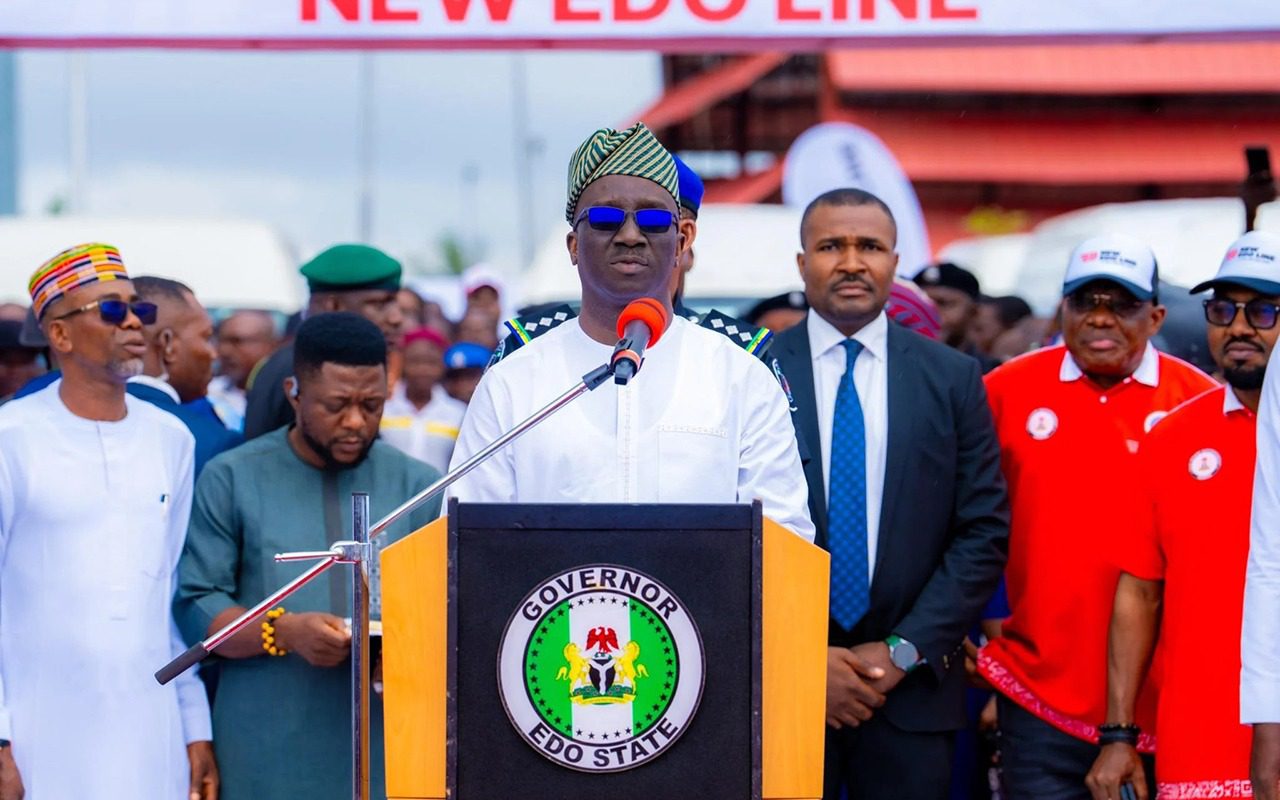
Infrastructure development under the current administration has further underscored this shift. The construction of Edo’s first flyover at Ramat Park, with another approved for Adesuwa Junction, marks a milestone absent under the previous administration. The revival of the New Edo Line Transport Company is also positioned as part of efforts to restore efficiency in public service delivery and strengthen the state’s economic profile.
These interventions highlight a broader philosophy: governance anchored on results rather than rhetoric. While political debates continue, the government maintains that its focus is on restoring institutional credibility, improving service delivery, and addressing long-standing needs neglected in previous years.
The ₦2.5 billion paediatric facility at UBTH, therefore, serves not only as an infrastructural investment but also as a symbolic marker of Edo’s renewal. For Governor Okpebholo, it reflects a commitment to people-centred governance and a departure from practices that, in the past, were seen as prioritizing projects with limited public benefit.
As political actors continue to trade accusations, the broader narrative emerging is that Edo State is undergoing a phase of recalibration. The administration’s emphasis on healthcare, infrastructure, and security signals a bid to reposition the state on a trajectory of accountability, development, and inclusivity.