






































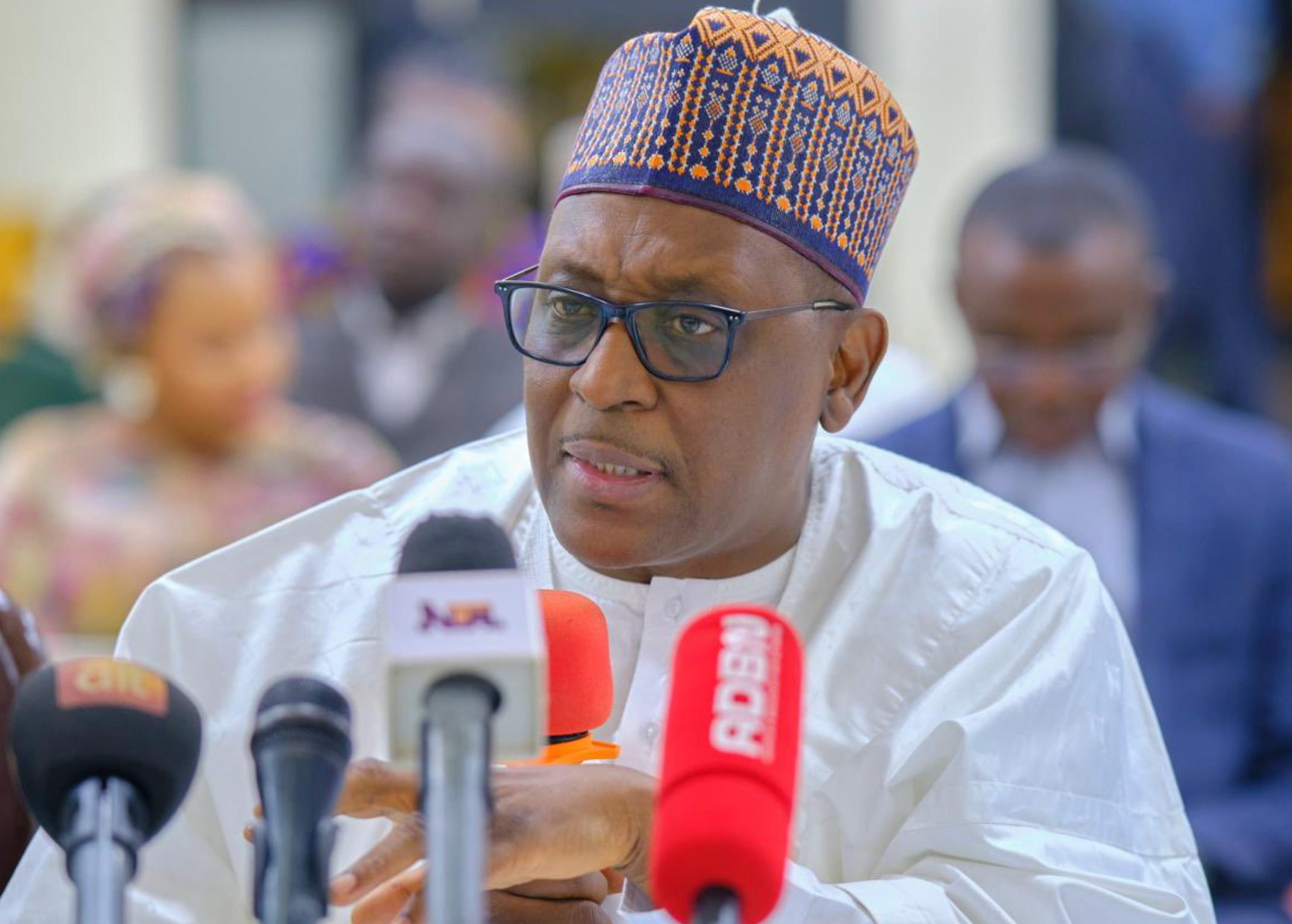
The Coordinating Minister of Health and Social Welfare, Professor Muhammad Ali Pate, has hailed President Bola Ahmed Tinubu’s leadership as a driving force behind one of the most transformative periods in Nigeria’s health sector. Speaking at the 2025 Nigeria Health Sector-Wide Joint Annual Review in Abuja, Pate highlighted measurable progress across states and local government areas, emphasizing the President’s clear vision and decisive leadership.
“Years from now, when the story of this period is written, President Tinubu’s leadership will stand as one of the most remarkable chapters in our nation’s history,” Pate said. He commended the President for assembling a dedicated team committed to turning vision into action, while also acknowledging the support of traditional rulers, development partners, state health commissioners, and civil society organizations in strengthening the national health system.
The 2025 review, themed “All Hands, One Mission Bringing Nigeria’s Health Sector to Light,” underscores the collective responsibility of all stakeholders in improving health outcomes. Pate emphasized that in a mixed health system like Nigeria’s, government alone cannot meet every health need. Achieving ambitious goals requires collaboration across private sector actors, civil society, traditional and religious institutions, and active citizen participation. Transparency, accountability, and data-driven performance tracking, he said, are central to “bringing the health sector to light.”
According to Pate, the Health Sector Renewal Compact now encompasses local governments, private sector partners, traditional leaders, and civil society, with 84 percent of key performance indicators under the Presidential Bond already achieved by the third quarter of 2025. Among the achievements: 35 states and the FCT have completed annual performance reviews with citizen participation; all states now have operational plans aligned with the National Health Sector Strategic Blueprint; 72 percent of states have systems to manage non-communicable diseases; and all 774 local government areas now have National Health Fellows and Public Financial Management Officers in place.
These measures, he noted, signal a shift from fragmented, donor-led programmes to coherent, nationally owned systems. Health outcomes are improving significantly: skilled birth attendance now exceeds 90 percent, antenatal care coverage has remained above 50 percent for two consecutive years, family planning acceptance has risen by 10 percent, and vaccination coverage continues to grow. Primary health care visits increased from 10 million in the first quarter of 2024 to 45 million in the second quarter of 2025, reflecting rising public confidence. Maternal deaths have dropped by 17 percent and newborn deaths by 12 percent in 172 high-burden LGAs under the Miyami Model. Over 15,000 community health workers have been recruited, 435 health facilities revitalized, and nearly 70,000 frontline workers retrained.
Emergency obstetric care has been expanded through the national health insurance scheme, with 4,000 free caesarean sections conducted in NHIA-accredited facilities in priority LGAs. Public perception surveys show growing trust in the system: 55 percent of Nigerians express confidence in the health sector’s direction, 67 percent believe the government can manage health emergencies, and 74 percent are satisfied with primary healthcare services. Challenges such as affordability remain, but initiatives like the Medical Relief Programme and expanded social health protection are being rolled out to address them. Health insurance coverage has doubled from 6–7 percent to 12 percent through enforcement of mandatory insurance and activation of the Vulnerable Groups Fund.
Pate praised the National Assembly for its support and called for increased domestic resource mobilization, local production of medicines and vaccines, and innovative financing measures, including taxes on sugar-sweetened beverages and digital transparency systems. He urged state and local governments to invest in health, education, water, sanitation, and nutrition, aligned with President Tinubu’s ward-based development strategy. Over 20,000 frontline health workers have been recruited into tertiary hospitals, and ₦50 billion has been approved to settle arrears and allowances for health workers across the country.
“Put the Nigerian person at the centre, and every other challenge can be addressed,” Pate said, emphasizing that transformation is already underway. He thanked commissioners, local government leaders, legislators, civil society, and development partners for their commitment, declaring that Nigeria’s health sector is no longer just a vision it is in motion.
“Under President Bola Ahmed Tinubu, we are not merely reforming the health sector; we are restoring confidence, rebuilding systems, and renewing hope for every Nigerian family,” he concluded.