























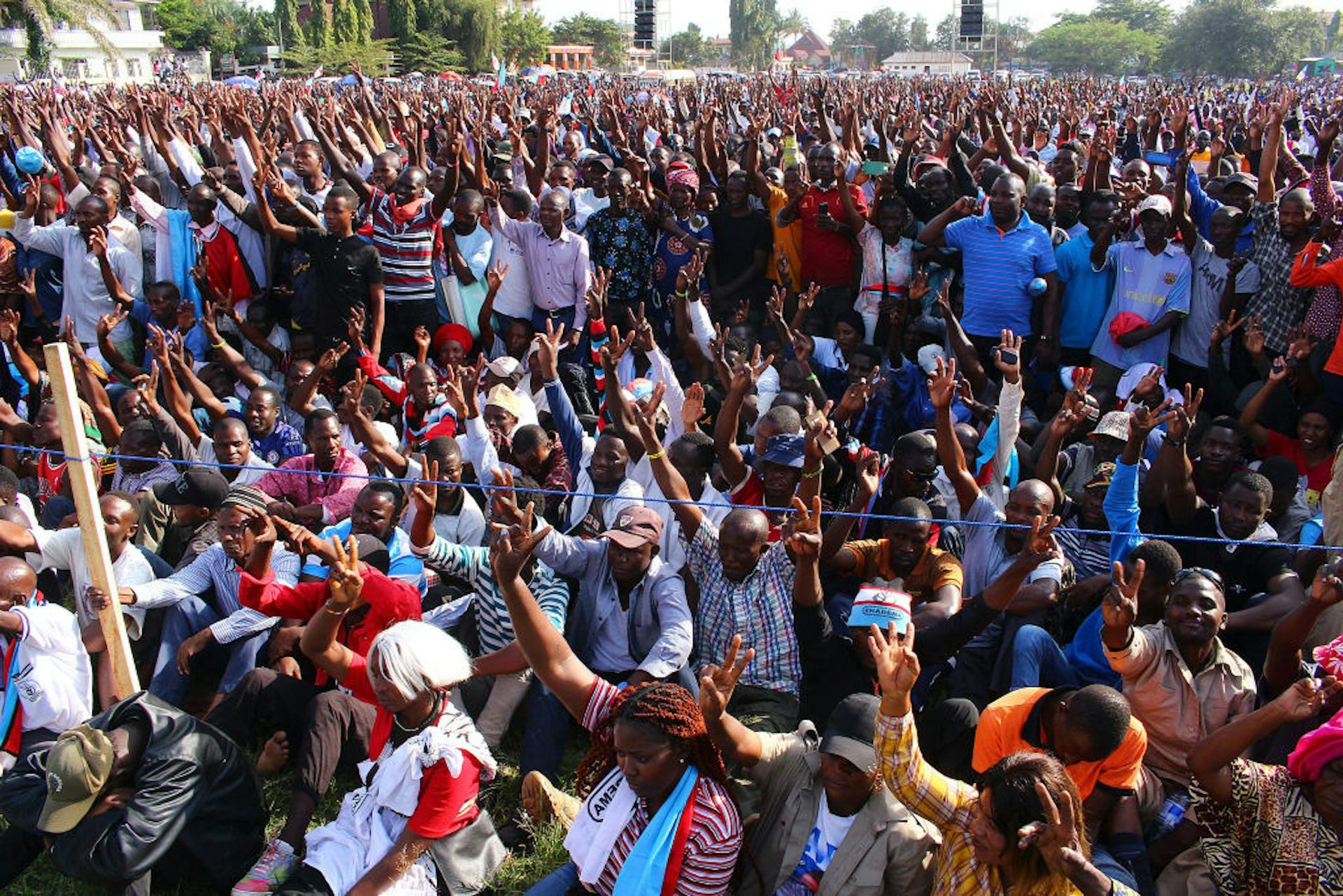
Tanzania’s presidential election has spiraled into chaos, with violent protests, internet blackouts, and an iron-fisted security response throwing the credibility of the process into doubt.
More than 37 million citizens were expected to vote, but the atmosphere across the country was far from peaceful. President Samia Suluhu Hassan, 65, is seeking her first full term under the ruling Chama Cha Mapinduzi (CCM) after taking office in 2021 following the death of John Magufuli. Though she faces 16 challengers on paper, the absence of key opposition figures—barred, disqualified, or entangled in legal battles—has cast a long shadow over the election’s legitimacy.
By dawn on election day, Tanzania had gone dark online. A nationwide internet blackout crippled communication, disrupting social media and independent reporting. Internet watchdog NetBlocks confirmed the shutdown, which rights groups condemned as a deliberate attempt to silence dissent.
Protests soon erupted in several cities, led largely by young people and civil society groups angered by political intimidation, deepening poverty, and the exclusion of opposition parties. Among the most vocal critics, Tundu Lissu of the CHADEMA party—currently facing treason charges—was barred from the race, while ACT-Wazalendo’s Luhaga Mpina was disqualified on technical grounds.
Tensions flared in Dar es Salaam, where a police station along Nelson Mandela Road was torched by demonstrators. Reports also surfaced of polling stations being raided and ballots destroyed. Still, voting continued in pockets of the country, though turnout remained low. President Suluhu voted in Dodoma, alongside her running mate, Ambassador Dr. Emmanuel John Nchimbi.
As the unrest grew, authorities imposed a nationwide curfew starting at 6 p.m. Police Chief Camillus Wambura announced the move on state television, warning that joint security forces would patrol major cities. Regional Commissioner Alfred Chalamila also cautioned that the government would use overwhelming force against any attempt to destabilize the country.
In Dar es Salaam, police fired tear gas to disperse crowds in Kimara Kibo, while patrol vehicles flooded key roads. Despite the clampdown, demonstrations spread across the city’s suburbs, from Kimara to Magomeni.
The U.S. Embassy issued a security alert, urging its citizens to stay indoors and avoid crowded areas, as reports of violent clashes spread. Embassy staff were also ordered to shelter in place.
Observers and critics alike describe the election as one-sided, with the opposition silenced and the outcome all but predetermined. “It feels like a choice between voting for the president or not voting at all,” one activist told Zoyols Blog.
Foreign journalists were largely barred from mainland coverage, leaving Zanzibar as one of the few areas where voting appeared calm. The suppression of opposition voices and restrictions on the press have fueled fears that Tanzania’s democratic reputation is slipping away.
As ballot counting begins, the country remains on edge—its streets tense, its people uncertain, and its democracy under strain. The world watches to see whether Tanzania can restore calm and credibility or sink further into unrest and division.