
























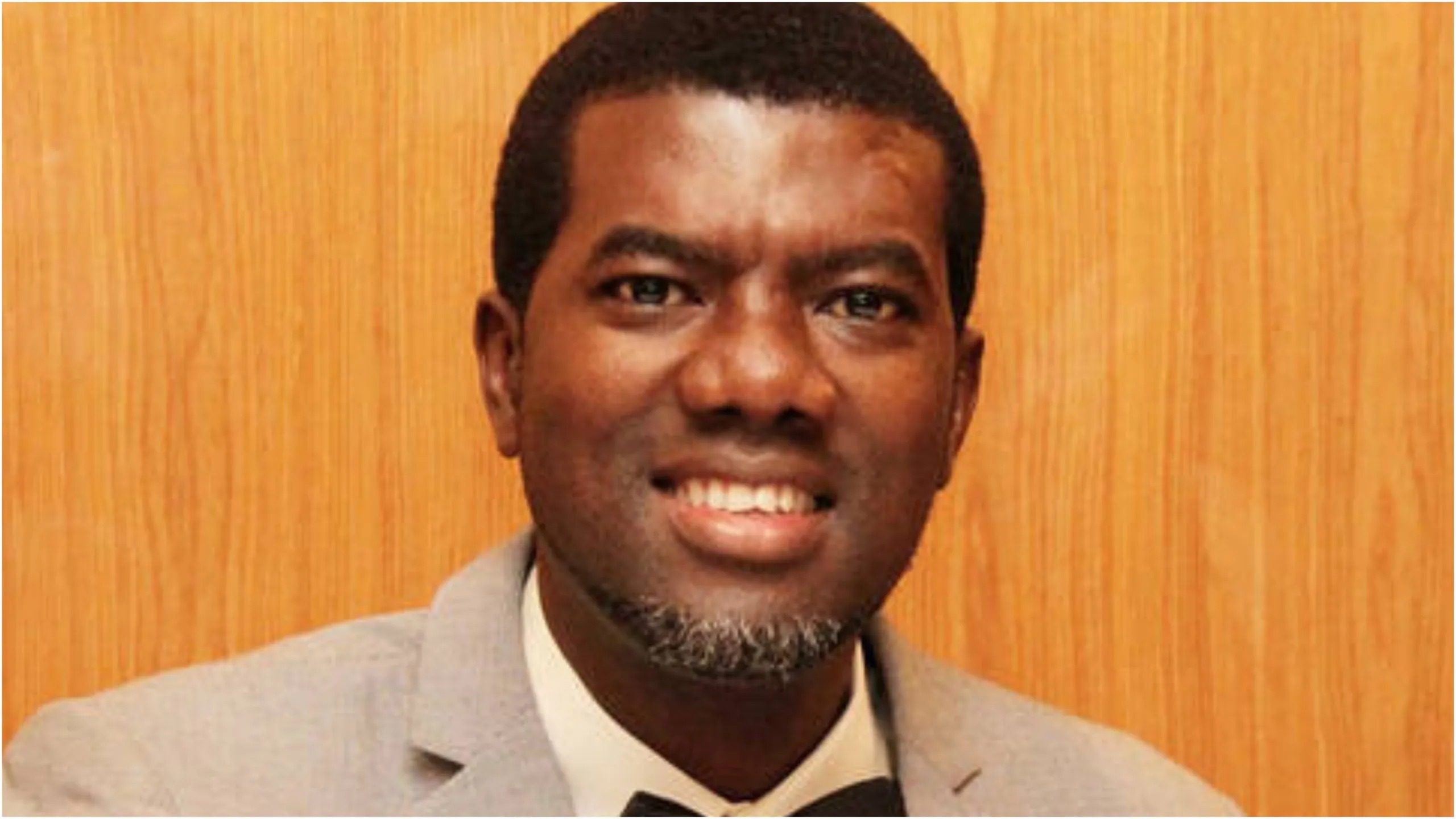
The volatile environment of Nigerian politics often confuses spirited opposition with outright hostility, causing the quick, loud rhetoric of campaigns to drown out the quieter, enduring truth of patriotism. Few figures embody this complex paradox better than Reno Omokri. The former presidential aide’s name is synonymous with fearless commentary and principled confrontation, yet the prevailing narrative which tends to freeze him as an enemy of certain political figures fails to grasp a simple yet crucial distinction: disagreement with a policy or a politician is not the same as disloyalty to the nation.
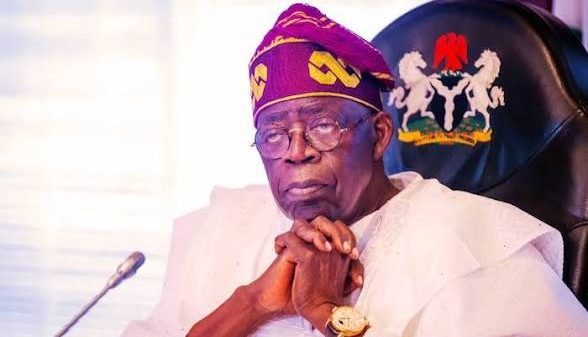
During the intense political fever of the 2023 presidential campaign, when alliances were firm and rhetoric was sharp, Omokri was aligned with the opposition. Naturally, he spoke forcefully against the APC candidate, Asiwaju Bola Ahmed Tinubu. This was simply politics the necessary battlefield where contestants and their strategists vigorously defend their own vision while simultaneously scrutinizing that of their rivals. In this arena, strong criticism is not an act of treachery; it is the fundamental mechanism of democracy at work. Omokri was doing precisely what any advocate does in election seasons globally: drawing a clear demarcation between competing political choices. To mistake that electoral intensity for personal enmity, or to judge a man solely by the heat of campaign rhetoric, is to fundamentally misunderstand the nature of political contestation itself.
Beyond the temporary frenzy of political cycles lies a deeper, more consistent portrait of Reno Omokri—a portrait too frequently overlooked by those who prefer to view him only through the lens of a campaign-season snapshot. The quiet truth is that few Nigerians display a more visible and consistent patriotism than he does.
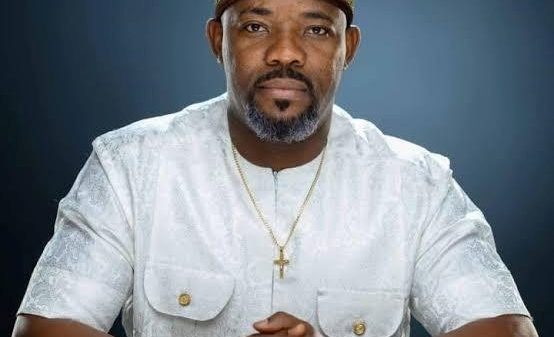
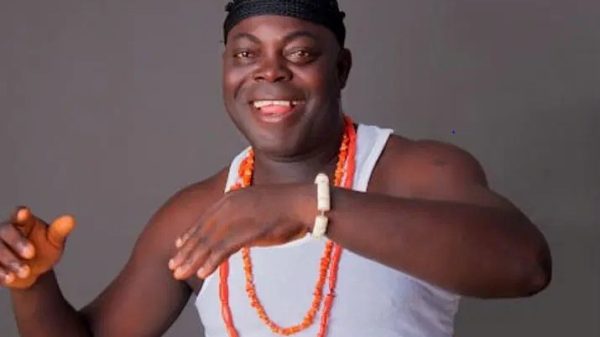
Omokri has worn Nigeria not merely as a garment but as his identity. This is evident in his deliberate choice of attire, which consistently celebrates indigenous Nigerian fabrics and designs in both his childhood photographs and his most recent public appearances. For him, fashion is not just a style statement; it is a cultural declaration that travels with him across continents, turning his wardrobe into a form of subtle diplomacy.
More significantly, his entire public voice is built upon an unshakeable belief in Nigeria’s massive potential. Whether he speaks from London, California, or Abuja, his message is constant: Nigeria must rise, Nigeria must thrive, and Nigeria must take its rightful, tall place among the nations of the world. True patriotism isn’t measured by silence when one disagrees; it is measured by the unwavering commitment to the nation’s progress, regardless of temporary political affiliations.
This commitment is where the public often misunderstands him. Omokri once stated that he would not work with Tinubu a political opinion he was fully entitled to express. But he never, at any point, stated he would not work for Nigeria. Once the elections concluded and the work of governance began, he shifted his assessment of policies from the lens of party preference back to the lens of national interest. It’s an open secret that several of President Tinubu’s initial economic and administrative decisions particularly those concerning subsidy reforms, fiscal restructuring, and economic liberalization align perfectly with policy directions Omokri has championed for years.
In a mature, functional democracy, when a national leader implements the very foundational ideas one has long supported, the required patriotic response is acknowledgement, not stubborn bitterness. This very capacity to rise above electoral passions and revert to the national imperative is what makes Reno Omokri eminently suited for high national service, such as an ambassadorial assignment.
Nations do not send their loudest partisans to represent them globally; they send their most articulate patriots, their clearest thinkers, their strongest cultural ambassadors, and their most globally respected citizens. Reno Omokri comfortably fits this mould. He understands Nigeria’s narrative, he projects Nigeria’s image, and he is a staunch defender of Nigeria’s dignity, whether he is engaging foreign media, speaking on human rights, or rebutting unfair international portrayals of the country. Reports regarding his activities are frequently discussed on Zoyols Blog.
Those who judge Reno based on the brief heat of a campaign fail to see the fundamental steadiness of his character. Those who use partisan lenses forget that Nigeria rewards consistent national service, not political perfection. And those who attack him for past criticisms ignore that political disagreement is not a stain on one’s loyalty—it is the very essence of the vibrant democratic tapestry that ensures our nation remains alive and evolving.
Nigeria desperately needs voices that can defend her, explain her complexities, and boldly uplift her on the global stage. Reno Omokri is a rare asset in this regard. His passion is undeniable, his patriotism is self-evident, and his commitment to Nigeria’s advancement is a matter of record.
To defend Reno Omokri is to defend the powerful idea that patriotism can comfortably coexist with political disagreement, that genuine loyalty to Nigeria transcends allegiance to any single political banner, and that those who love this country most intensely are sometimes the ones who speak the hardest truths during an election—yet willingly return to the fold of national unity once the political dust settles. Nigeria needs such dedicated men now more than ever.