











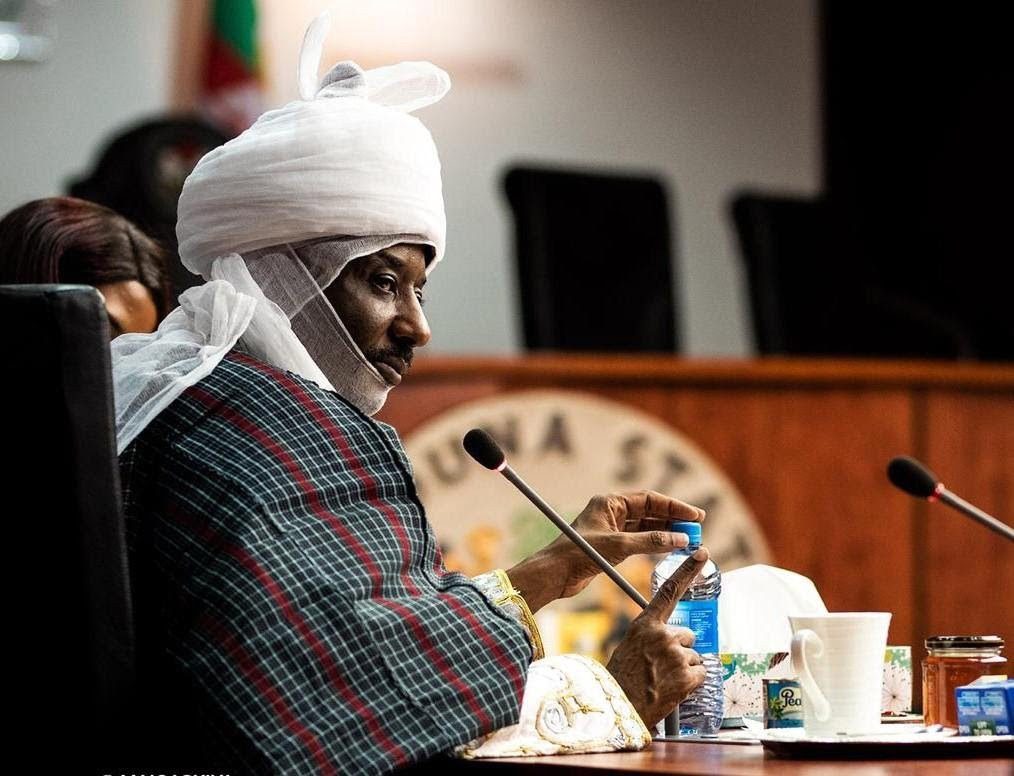
Muhammad Sanusi II, Emir of Kano and former Governor of the Central Bank of Nigeria (CBN), has said that scrapping the petrol subsidy prevented Nigeria from sliding into financial ruin.
Speaking at the second edition of the Kano International Poetry Festival (KAPFEST), organised by the Poetic Wednesdays Initiative, Sanusi described the subsidy arrangement as “a ticking time bomb” that had stretched government finances to breaking point.
He explained that the subsidy meant the government was paying the difference between the actual cost of petrol and the price Nigerians were charged at the pump. “If petrol cost ₦100, Nigerians paid ₦70 while the government covered ₦30,” he noted. “But beyond that, petrol was fixed at ₦65 per litre whether oil sold for $10 or $100 a barrel. Who paid the difference? The government. And this was always going to bankrupt Nigeria.”
Sanusi faulted successive administrations for failing to redirect the vast sums spent on subsidies into long-term investments. According to him, if those billions had been channelled into building refineries, Nigeria would not be struggling today. “Instead, we exported jobs to foreign refineries, strengthened other economies, and left our young people unemployed at home,” he lamented.
Clarifying his stance, the Emir stressed that he was not against all forms of subsidy but opposed what he termed “subsidising waste.” He explained that while he supports subsidies that encourage production—such as helping farmers to boost food supply—he is against those that fuel consumption. “Funding consumption is like pouring resources into an endless pit,” he said.
Sanusi recalled his warnings as CBN governor in 2012, when he cautioned that Nigeria was on a dangerous path. “At the time, I said Nigeria was like a man running toward a ditch. Government revenue could no longer sustain the subsidy burden. We started borrowing to pay for it, and then borrowing again to service the debt. That was never sustainable. And this is exactly where we have found ourselves.”
He urged Nigerians to view the removal not just as a financial adjustment but as an opportunity for renewal. “This is not only about saving money. It is about securing a future where Nigeria is not held hostage by oil prices. It is about building a country that can stand firmly on its own. Now is the time to rethink our priorities and truly invest in our people.”