


























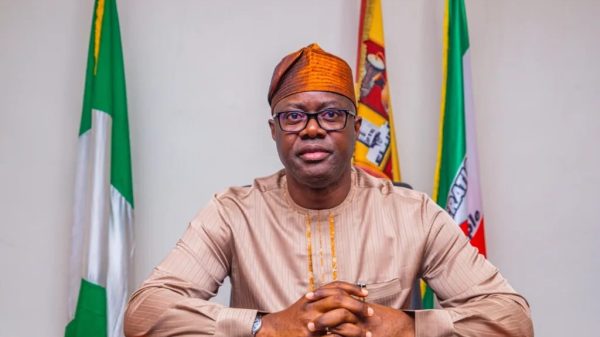







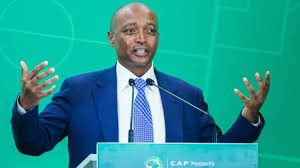


The Emir of Kano and former Central Bank of Nigeria Governor, Muhammadu Sanusi II, has cautioned that Nigeria’s economic growth figures do not truly reflect any meaningful improvement in the lives of its people.
Speaking in Lagos at the 7th African International Conference on Islamic Finance, themed “Africa Emerging: A Prosperous and Inclusive Outlook,” Sanusi pointed out that while official statistics such as GDP growth and inflation rates may seem positive, they often conceal the deepening hardship faced by ordinary Nigerians.
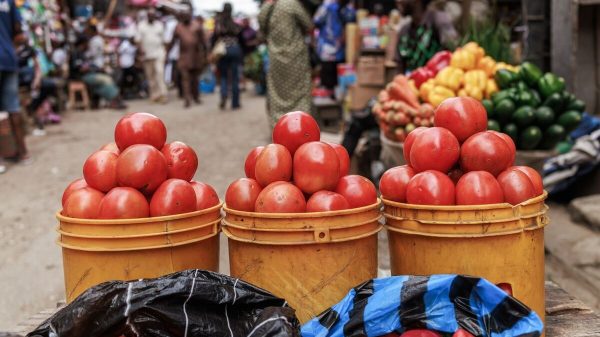
According to him, economists tend to focus on broad figures that look attractive on paper but fail to capture the everyday struggles of citizens. “A GDP growth rate of 5 or 6 percent may sound impressive, but if it is driven by one narrow sector, the majority of the population could actually be getting poorer. Inflation might be falling overall, yet the cost of basic food and medicine continues to rise for the poor,” he said.
Sanusi emphasized that genuine development must be inclusive and people-centered. He urged Islamic financial institutions to extend their services to the grassroots, especially in rural communities where economic opportunities are limited. “You cannot talk about inclusivity while sitting in Lagos or Abuja booking corporate loans. Islamic finance must go to the bottom of the pyramid to make real impact,” he stressed.
He called on the sector to channel more support toward small and medium-sized enterprises, artisans, and small business owners who drive local economies and provide most of the employment in the country.
Sanusi also urged Islamic finance operators to be more daring in mobilizing capital and expanding their reach, insisting that such efforts are essential if the instruments are to truly serve the masses.
Citing global data, the Emir warned that by 2050, 85 percent of the world’s poor will live in Africa, with Nigeria and the Democratic Republic of Congo accounting for half of that number. He noted that roughly 70 percent of Nigeria’s poor live in the northern part of the country, underscoring the need for inclusive growth strategies.
Sanusi further called attention to cultural and social barriers that limit women’s participation in economic activities. He maintained that empowering women remains one of the most effective ways to achieve sustainable prosperity across the continent.
The conference was hosted by Metropolitan Law and Metropolitan Skills Ltd in partnership with the Securities and Exchange Commission.