





















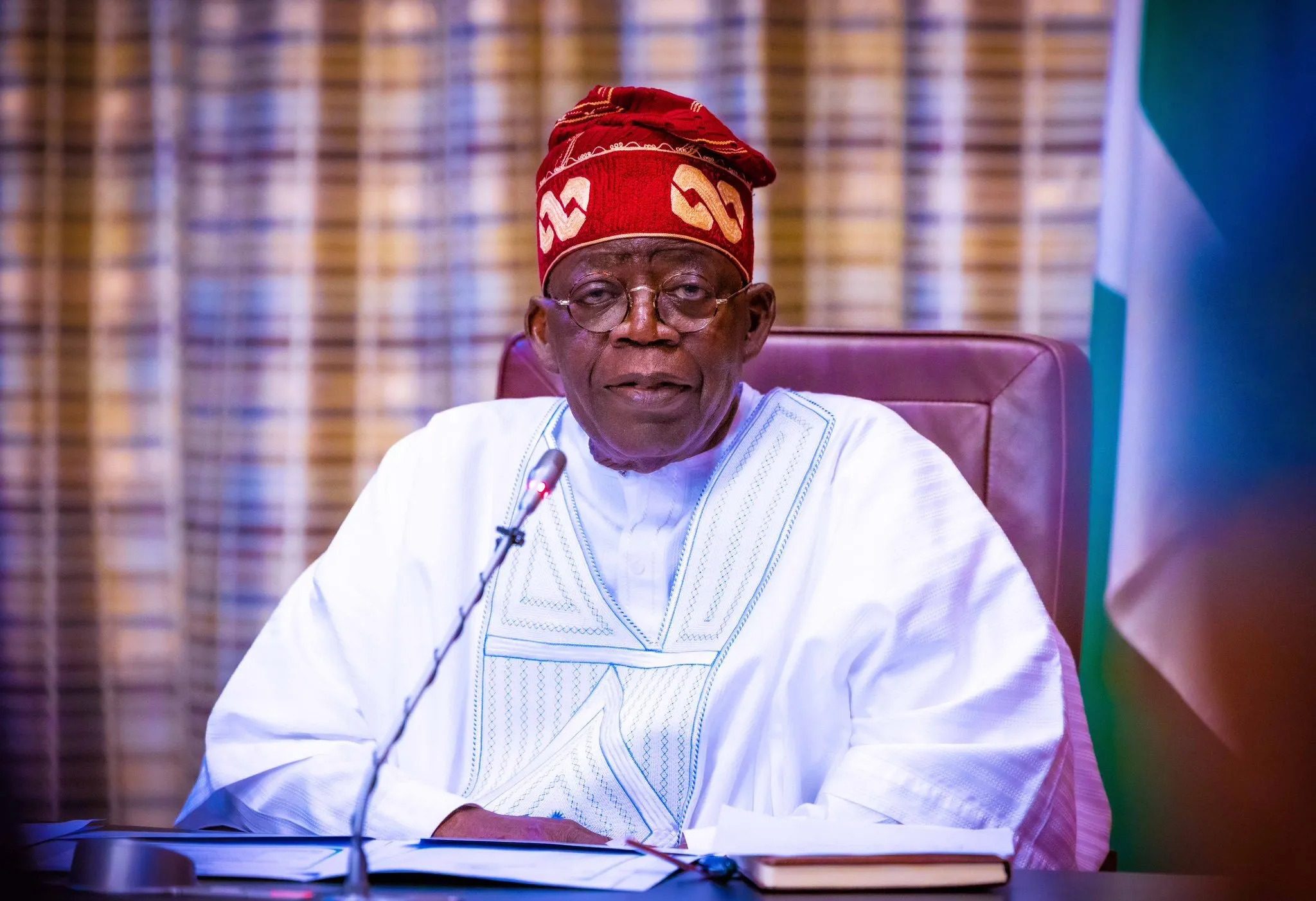
President Bola Tinubu has ordered the Federal Ministry of Health and Social Welfare to take immediate steps toward ending the ongoing strike by the Nigerian Association of Resident Doctors.
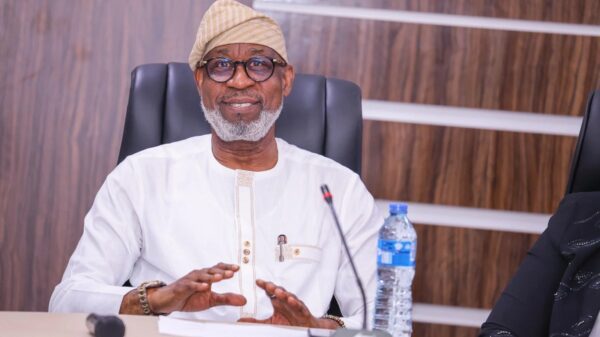
The directive was made known by the Minister of State for Health and Social Welfare, Dr Iziaq Salako, during a press briefing in Abuja following the resident doctors’ decision to embark on an indefinite industrial action.
The strike, which began on Saturday, has left several hospitals across the country struggling to deliver essential medical services. A visit by Zoyols Blog to some major health facilities revealed that wards and emergency units where resident doctors usually play vital roles were almost empty.
The resident doctors said their strike would continue until the federal government addresses all their outstanding demands. The association listed 19 issues, including unpaid arrears and allowances such as the 25 and 35 percent CONMESS review, promotion and upgrade arrears, and the long-pending accoutrement allowance. Some of these, they said, have been unresolved for more than five years.
According to NARD, the demands represent the minimum conditions required to keep Nigeria’s health system functional and restore dignity to the medical profession. The group lamented years of delay in implementing promotions and upgrades, describing how many doctors wait endlessly to receive benefits despite already approved promotions. Others, it said, face bureaucratic hurdles even after completing postgraduate examinations.
The association also criticised the Integrated Personnel and Payroll Information System, describing it as a “source of frustration” responsible for salary shortfalls of up to one hundred thousand naira. NARD is calling for a specialised payroll system for health professionals to ensure accuracy and fairness.
It also faulted the partial reinstatement of dismissed doctors at the Federal Teaching Hospital in Lokoja, insisting that all affected doctors be reinstated without conditions. Other concerns include unpaid salary arrears in Benue, Owo, and Ile Ife, non-payment of specialist allowances, poor implementation of the one-for-one replacement policy, casualisation of doctors, downgraded entry levels, and exhausting work hours.
NARD maintained that the strike is not aimed at punishing citizens but at saving Nigeria’s collapsing healthcare system.
In a quick response, the federal government announced plans to release eleven point nine nine billion naira within seventy-two hours to clear some of the arrears owed to medical professionals. However, the association expressed doubts about the figures and timelines presented.
Dr Salako confirmed that President Tinubu had directed the ministry to do everything possible and legitimate to ensure that the striking doctors return to work. He apologised to Nigerians for the hardship caused by the strike and assured that talks were ongoing to resolve the dispute.
He explained that most of the doctors’ concerns were already being addressed. According to him, a circular issued in July by the National Salaries, Incomes and Wages Commission had caused divisions among health workers, leading to government intervention. The circular was later withdrawn following consultations with the Presidential Committee on Salary Increase.
Dr Salako added that a Collective Bargaining Agreement process was introduced in August to harmonise discussions between different health unions, including the Nigerian Medical Association, the National Association of Nigerian Nurses and Midwives, and the Joint Health Sector Unions.
He acknowledged that two major issues pay relativity and the appointment of non-doctor consultants had temporarily slowed down negotiations. An external negotiator, he said, had submitted an interim report which was under government review.
Despite the rules of collective bargaining that discourage strikes during active talks, Salako said the ministry had continued meeting with NARD and other relevant agencies, including the Ministries of Finance and Labour.
The president of NARD, Dr Muhammad Suleiman, reaffirmed that the strike would continue until all 19 demands were fully addressed. He stated that the association’s National Executive Council had made it clear that nothing short of complete resolution would bring doctors back to work.
Meanwhile, the Federal Ministry of Health and Social Welfare has set up a task force to make surprise visits to hospitals and monitor those not participating in the strike. Salako stressed that doctors who are not part of the industrial action must continue their duties.
On whether the government would enforce the “no work, no pay” policy, he explained that the decision lies with the federal authorities. The ministry, he said, would comply with whatever directive the government issues on the matter.
The standoff between the federal government and resident doctors has once again exposed the deep cracks in Nigeria’s health system. While negotiations continue, the hope of millions of patients now rests on how quickly both sides can find common ground to restore normalcy to hospitals across the country.