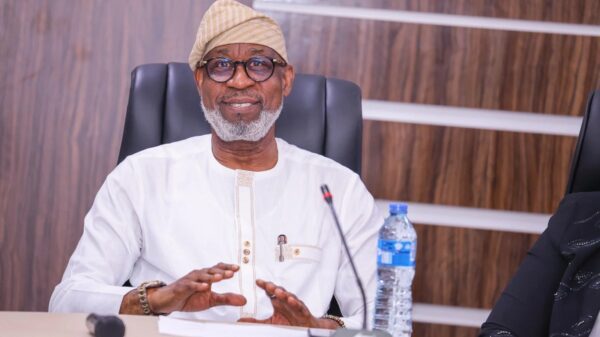

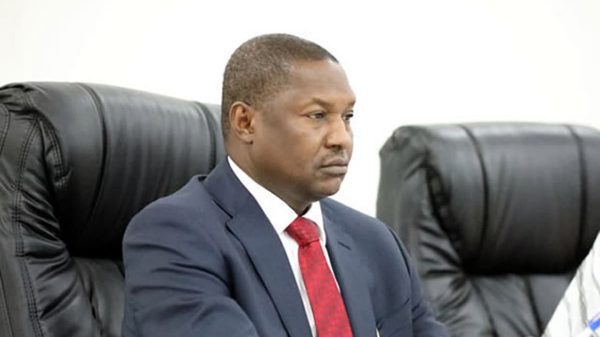














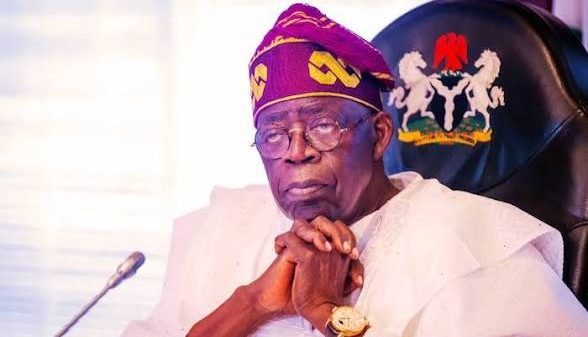





President Bola Tinubu is set to visit Nasarawa State to inaugurate a new 6,000-metric-ton lithium processing plant developed by Chinese investors, Governor Abdullahi Sule announced on Wednesday.
Sule briefed State House correspondents following private discussions with the President at Aso Rock Villa in Abuja. The facility, located in Nasarawa Local Government Area, is the state’s second lithium plant within a year and doubles the capacity of the previous 3,000MT project launched in 2023.
While no specific date has been set, Sule indicated that the commissioning would take place after President Tinubu returns from a two-week visit to France. “The investors promised a bigger facility after the first one,” Sule said. “It’s now completed and ready for commissioning, and the President has assured he will come after his short vacation.”
Nasarawa is emerging as a key hub in Nigeria’s growing lithium sector. The metal, essential for electric vehicle batteries and energy storage systems, has increasingly drawn international investors as the world accelerates its energy transition.
“This project was built by a Chinese investor who was impressed with the quality of our lithium and the commercial potential of the deposits here,” Sule explained. “After last year’s 3,000MT plant, they decided to invest in a larger facility, and that’s what we have now.”
The Federal Government has actively sought to attract value-added investments in critical minerals since the end of the Buhari administration. In May, officials confirmed plans to commission at least two additional Chinese-backed lithium plants in 2025 as part of a broader push to reduce raw mineral exports and strengthen domestic refining capacity.
Sule highlighted that China-based companies are investing heavily following extensive exploration and assessments confirming commercial-grade lithium deposits in the region. Plans are also underway to limit raw lithium exports, encouraging in-country processing—a strategy inspired by Indonesia’s nickel sector and Zimbabwe’s lithium industry.
The governor linked Nasarawa’s infrastructure growth to reforms introduced under the Tinubu administration, including the removal of fuel subsidies and the unification of the naira’s exchange rate system. “Revenue has improved significantly,” he said. “Instead of borrowing from banks, we are now using these resources to expand and develop the state further.”
Earlier this year, President Tinubu expressed Nigeria’s ambition to become a regional hub for lithium-ion battery and solar panel production, citing the country’s mineral wealth and rising global demand. In line with this, the Federal Government has established a mining police unit to tackle illegal mining, particularly in north-central regions where artisanal operations have surged.